The World Health Organization (WHO) has urged countries across its South-East Asia Region to step up road safety efforts and accelerate progress towards the global goal of cutting road traffic deaths and injuries by at least half by 2030.
According to WHO estimates, approximately 1.19 million people lost their lives in road traffic crashes worldwide in 2021. Of these, around 330,000 deaths occurred in the South-East Asia Region, representing 28% of the global total. Road traffic injuries are also the leading cause of death among children and young people aged 5–29.
Progress in reducing fatalities has been limited. Between 2010 and 2021, road traffic deaths in the region declined by just 2%, compared with a 5% reduction worldwide.
Addressing the opening of the Regional Meeting on Road Safety: Towards Safer Mobility in the South-East Asia Region, Dr Nilesh Buddha, Officer-in-Charge of the WHO South-East Asia Region, stressed the importance of sustained commitment and practical interventions to save lives.
He noted that road crashes affect not only those directly involved but also their families and wider communities. Evidence-based interventions, backed by effective leadership, adequate investment and accountability, can prevent many of these deaths and injuries.
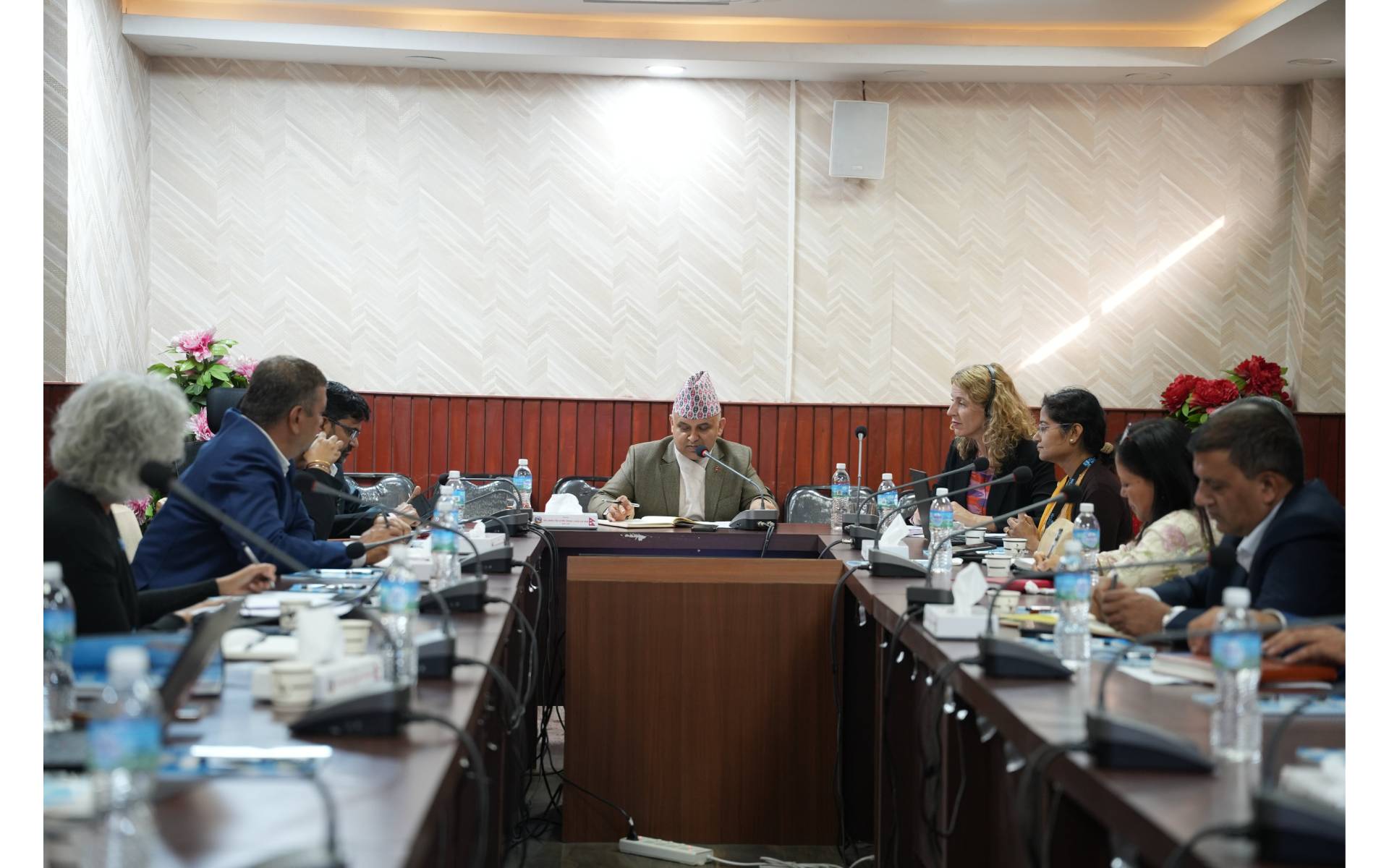
The three-day regional meeting brings together officials from health and transport ministries, national road safety authorities, traffic police, technical experts, UN agencies, development partners, non-governmental organisations and youth representatives.
The gathering follows the United Nations High-Level Meeting on Improving Global Road Safety held in July 2026. That meeting renewed international commitment to the 2030 target and highlighted the need for stronger leadership, improved road safety data, safer infrastructure and vehicles, better emergency response, sustainable funding and cooperation across sectors.
Dr Buddha said the regional gathering would help participating countries identify priorities, establish clear responsibilities and timelines, and improve systems for tracking implementation. He emphasised that meeting the 2030 goal would require countries to move beyond pledges and maintain consistent action.
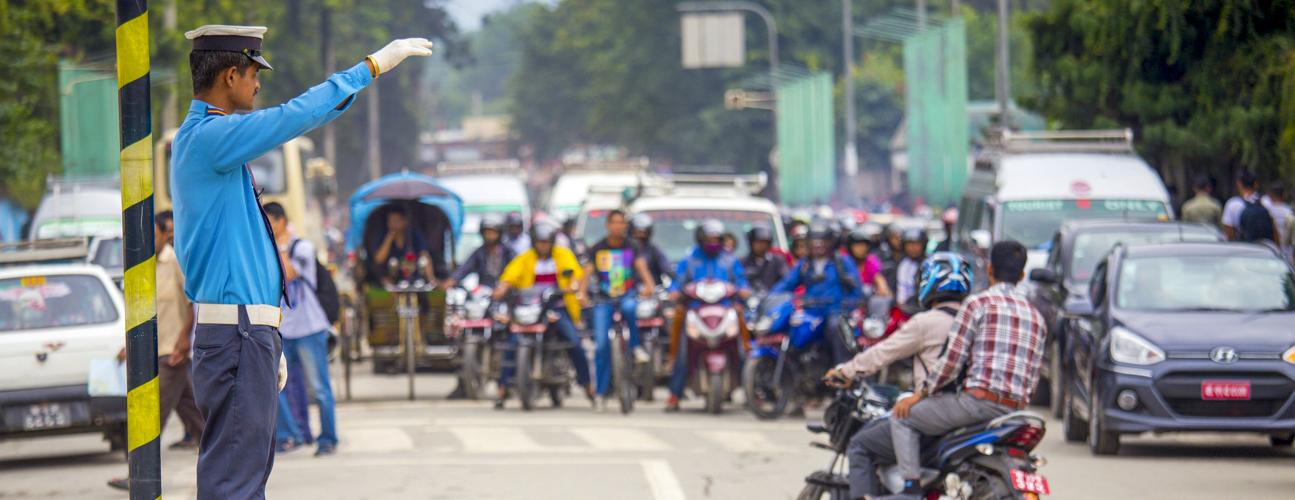
Motorcyclists and other users of powered two- and three-wheelers account for 46% of reported road traffic deaths in the region. When pedestrians and cyclists are included, these groups constitute approximately two-thirds of reported fatalities, highlighting the need to place vulnerable road users at the centre of road safety policies.
WHO emphasised that safer mobility requires a comprehensive transport system designed to protect all road users. This includes building safer roads and vehicles, enforcing appropriate speed limits, strengthening road safety laws, improving public transport and developing infrastructure that makes walking and cycling safer.
Dr Buddha highlighted that road safety measures must accommodate the needs of different groups, including schoolchildren, people with disabilities and motorcyclists. Integrating safety into the planning and design of transport infrastructure and vehicles is essential to reducing risks for everyone.
Participants will examine ways to strengthen national road safety agencies and establish clearer responsibilities among health authorities, transport ministries, police, infrastructure agencies and regulatory bodies.
Other priorities include improving coordination between health, police and transport data systems; developing and enforcing evidence-based legislation; increasing sustainable domestic funding; and expanding access to emergency medical care, trauma treatment and rehabilitation following road crashes.
Dr Buddha underscored that effective road safety programmes depend on institutions with sufficient authority and resources to coordinate implementation. Reliable data and long-term financing are equally important for identifying risks, guiding investment and measuring results.
He also noted that road safety investment delivers benefits beyond preventing crashes, contributing to better health outcomes, education, livelihoods, social equity and sustainable development.
The meeting aims to help countries turn international and regional commitments into coordinated national action plans. These plans will prioritise institutional leadership and accountability, safer roads and vehicles, stronger protections for pedestrians, cyclists and two- and three-wheeler users, evidence-based investment and timely, high-quality emergency care.
Concluding his remarks, Dr Buddha called for sustained efforts to ensure that people can travel safely for education, employment and everyday activities. He urged countries to translate their commitments into practical measures and maintain implementation over time to make roads safer throughout the region.