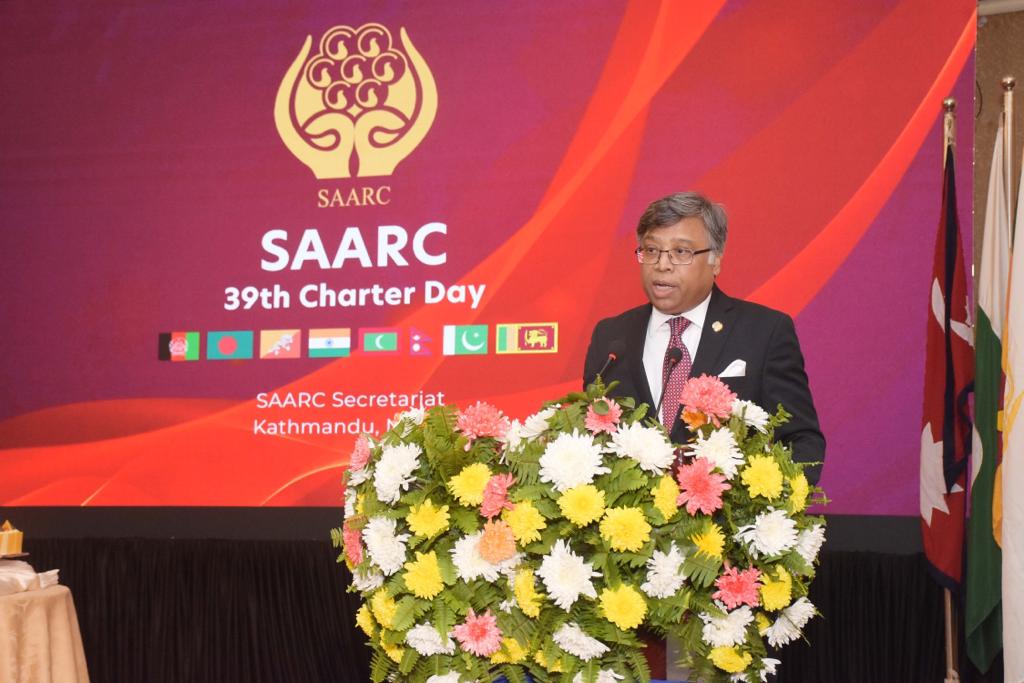
Established in December 1985, the South Asian Association for Regional Cooperation (SAARC) stands as the collective, resolute affirmation of its member states to cultivate an environment of peace, stability, amity, and progress across the vibrant tapestry of South Asia. This foundational commitment is anchored in the core tenets of the United Nations Charter and the philosophy of Non-Alignment, upholding the inviolable principles of sovereign equality, territorial integrity, and national independence. It strictly mandates the non-use of force, non-interference in the internal affairs of others, and peaceful resolution of disputes.
In an increasingly intricate and interconnected global landscape, SAARC recognizes that the noble aspirations of peace, freedom, social justice, and economic prosperity are realized through mutual understanding, good neighbourly relations, and substantive, impactful cooperation. The member states, intrinsically united by deep-seated historical and cultural kinship, fully comprehend the common challenges, shared interests, and profound hopes of the massive South Asian populace. This recognition underscores the imperative for joint action and magnified regional partnership, deemed not just beneficial, but indispensable for achieving collective and national self-reliance, and, most crucially, for promoting the welfare and elevating the quality of life of the region’s massive population.
At its heart, SAARC is an organization centered on its people, conceived with the mandate to ameliorate the living standards of every South Asian citizen. While its initial focus began in limited collaborative areas, the ambit and influence of SAARC have surged over the decades. Today, its cooperation framework sweeps across every major sphere of development activity, directly influences the livelihoods and future prospects of the communities it serves.
Securing the Breadbasket: Food and Agriculture Sovereignty
Ensuring food and nutrition security for the quarter of the world’s population within the SAARC region is a foundational and formidable challenge. Although economic trends have shifted, the agriculture sector remains strategically vital, supporting employment, food security, and rural livelihoods.
South Asian farming faces acute, multi-faceted pressures, including demographic growth, arable land loss, and the pervasive impacts of climate change and natural disasters. Addressing these threats is a paramount priority for the SAARC framework.
The SAARC Agriculture Centre (SAC) drives regional research and innovation, complemented by the SAARC Food Bank and SAARC Seed Bank. The Seed Bank’s crucial mandate is the development of climate-resilient crop varieties capable of enduring drought and floods, directly mitigating risks to vital food production systems and bolstering regional preparedness.
The Visionary Path to Economic and Financial Unification
SAARC’s ambitious long-term trajectory is firmly directed toward the achievement of the South Asian Economic Union (SAEU). This momentous goal is planned to be realized through a structured, multi-phase progression: commencing with a Free Trade Area (like the existing SAFTA), evolving into a Customs Union, and proceeding toward the establishment of a Common Market, before ultimately culminating in a Common Economic and Monetary Union.
It is universally recognized that the unfettered, free movement of capital and investment within the region, including the vital facilitation of intra-regional remittances, is a crucial, indispensable precondition for accelerating regional economic development. SAARC Finance Ministers Forum and SAARCFINANCE (forum for Central Bank Governors), are strategically positioned to pursue the objective of regional financial integration and the harmonization of banking practices. Discussions are underway to finalize the SAARC Agreement on Protection and Promotion of Investments, which will serve as a pivotal instrument to drive the region toward the establishment of a unified, cohesive, and attractive market.
Weaving the Region Together: Connectivity, Energy, and Tourism
Improved intra-regional connectivity—across the vital arteries of road, rail, air, and the digital superhighway—is the undisputed sine qua non for effective, rapid regional integration. Regional agreements concerning motor vehicles, railways, and air services are under active consideration. These vital measures aimed at exponentially enhancing connectivity will undoubtedly serve as powerful catalysts for deeper economic relations, foster greater people-to-people contact, and provide a boost to intra-regional tourism.
South Asia is an area of immense natural resources, richly endowed with vast, untapped potential in hydropower, natural gas, solar, wind, and biofuel. This presents a tremendous opportunity for regional cooperation in the critical areas of energy generation, transmission, and trade. The SAARC Framework Agreement for Energy Cooperation has already been signed. Strategic regional and sub-regional projects are being identified in power generation, transmission, and trade with the clear and focused view of meeting the escalating demand for energy across the entire region. Given its breathtaking natural splendour and its cultural diversity, South Asia holds an immeasurable potential for regional cooperation to promote both intra-regional and international tourism. Accordingly, determined efforts are underway to improve the necessary air, road, and rail infrastructure, as well as to institute a highly facilitative visa regime throughout the region through the exemplary SAARC Visa Exemption Scheme.
Social Elevation: Development and Empowerment of Youth, Women and Children
Social development remains a central pillar of SAARC cooperation. The SAARC Social Charter outlines targets across public health, women’s empowerment, youth development, and child welfare. Special emphasis is placed on empowering women, who constitute nearly half of the region’s population, through education, rights protection, and economic participation.
Institutional mechanisms such as the Ministerial Meetings on Women and the SAARC Gender Policy Advocacy Group support these objectives. Youth engagement initiatives, including SAARC Youth Camps and the proposed SAARC Youth Charter, seek to foster regional solidarity and leadership among younger generations. The Convention on Regional Agreement for the Promotion of Child Welfare in South Asia is another remarkable milestone achieved by SAARC.
Facing the Tempest: Climate Risk and Institutional Engine
Environmental degradation and climate change pose existential threats to South Asia. Guided by the Thimphu Statement on Climate Change, SAARC promotes regional cooperation in climate adaptation and disaster risk reduction. The SAARC Agreement on Rapid Response to Natural Disasters exemplifies collective commitment to coordinated disaster assistance.
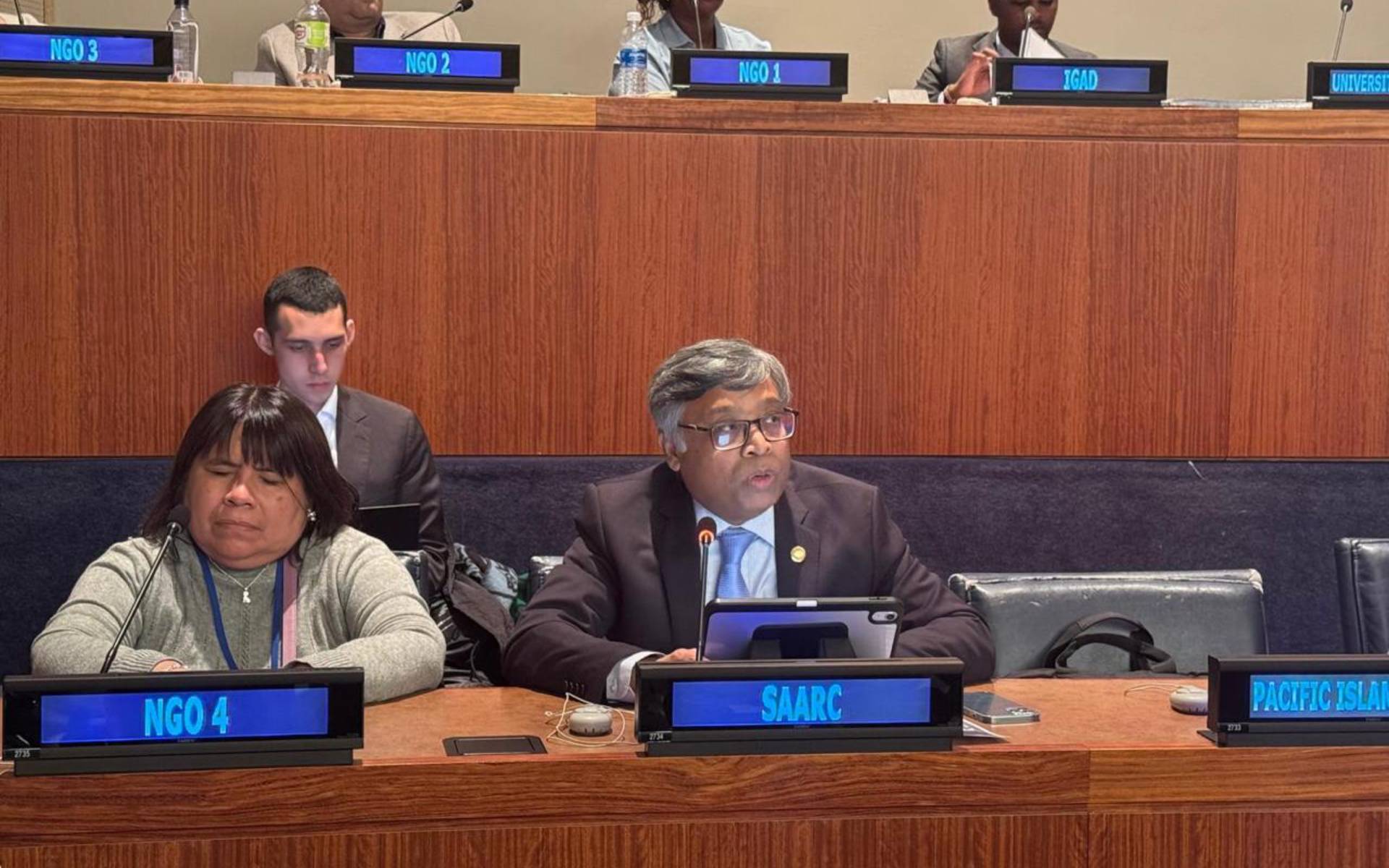
SAARC’s institutional architecture supports specialized cooperation through bodies such as the SAARC Development Fund, South Asian University, SAARC Arbitration Council, and South Asian Regional Standards Organization. SAARC also maintains observer status at the United Nations and collaborates with global partners, including the EU, Japan, Korea, and the United States, as well as UN agencies and development partners, on demand-driven projects.
Unlocking Regional Potential
World Bank estimates unequivocally demonstrate a transformative opportunity for South Asia’s economy. By reducing existing trade barriers, the region can nearly triple intra-regional trade, propelling its value from USD 23 billion to an estimated USD 67 billion—driving job creation, lowering consumer costs, strengthening competitiveness, and delivering significant socio-economic gains across the region.
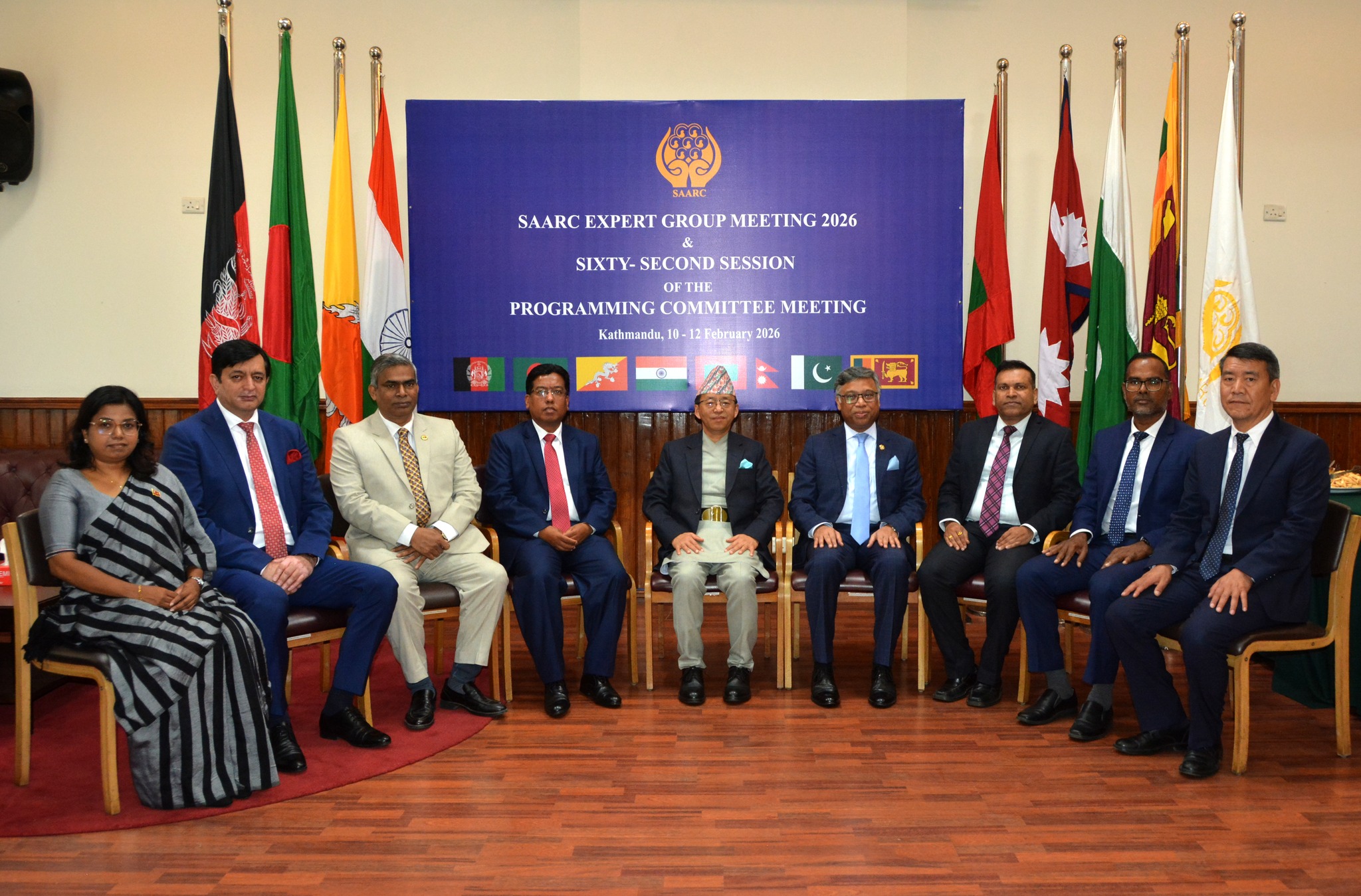
After a prolonged period of limited engagement, encouraging momentum has re-emerged at technical and institutional levels. Regular meetings of the Programming Committee and Regional Centres have resumed, and cooperation with United Nations agencies and development partners has intensified. To convert this renewed activity into tangible outcomes, however, sustained high-level political commitment remains indispensable.
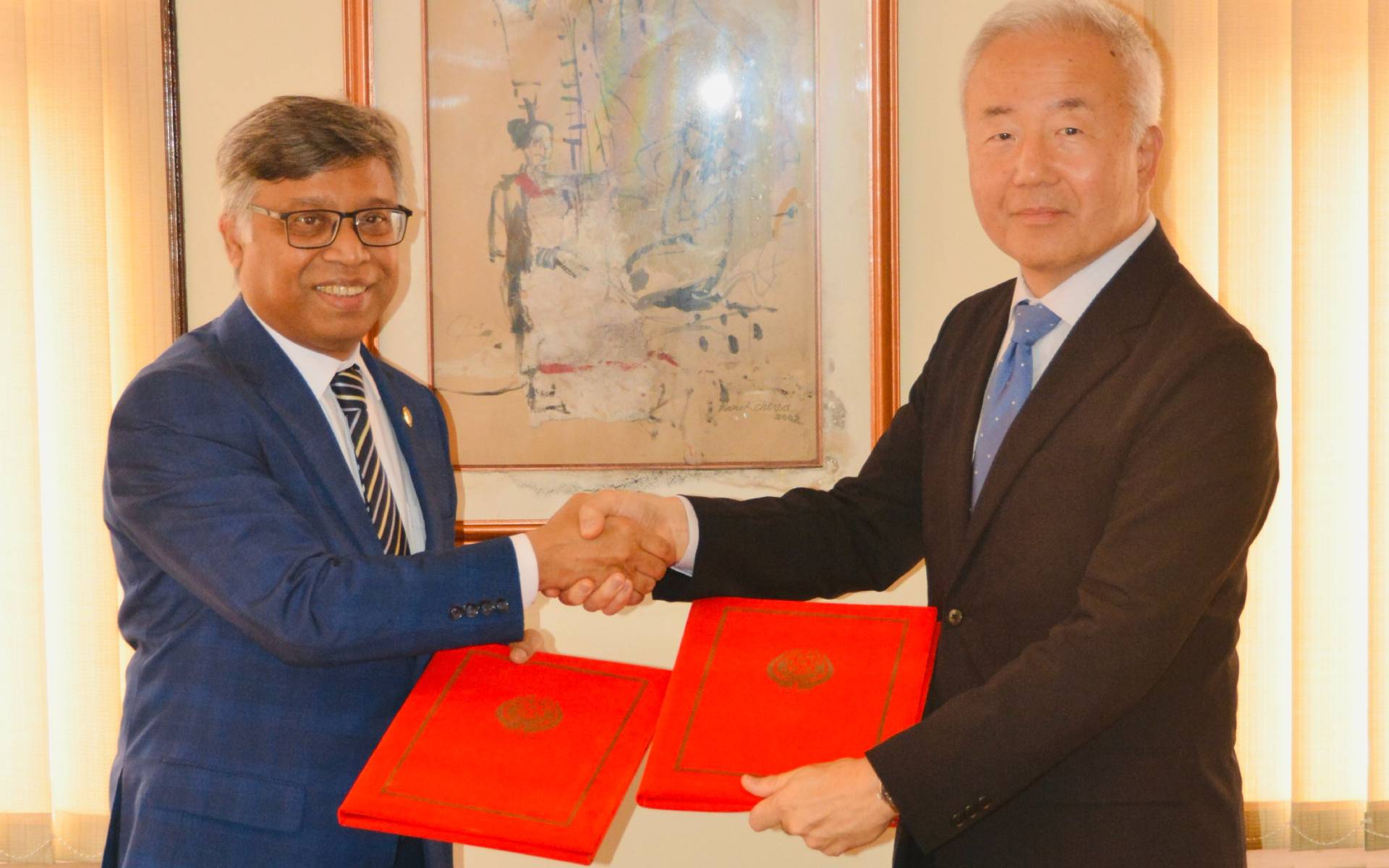
Notable progress includes the Programming Committee’s resumption of in-person sessions in March 2024, followed by meetings in April and December 2025; the next session is scheduled for early 2026. Regional Centres and Specialized Bodies are now consistently interacting and advancing practical initiatives in priority areas such as agriculture, energy, education, climate change, culture, health, and social welfare. At the same time, Secretariat-led collaboration with Observer States such as Japan and UN agencies, including UNICEF, WHO, UNESCO, ESCAP, and WFP, and development partners such as ADB, ADPC, Save the Children, Plan International and other partner entities continues to expand.
SAARC occupies a unique and indispensable place in South Asia, built upon a solid foundation of its Charter, and numerous agreements, conventions, and declarations, and a robust institutional framework comprising regional centres and specialized bodies. The future vitality of SAARC depends on the collective resolve of its member states to forge a solid geopolitical unity by aligning national interest, place regional cooperation at the forefront, and advance inclusive and sustainable development.
By deepening diplomacy and dialogue, strengthening people-to-people ties, and empowering professional bodies and civil society, SAARC can realize its founding vision: a resilient, stable, and globally influential South Asia defined by shared prosperity and collective progress.