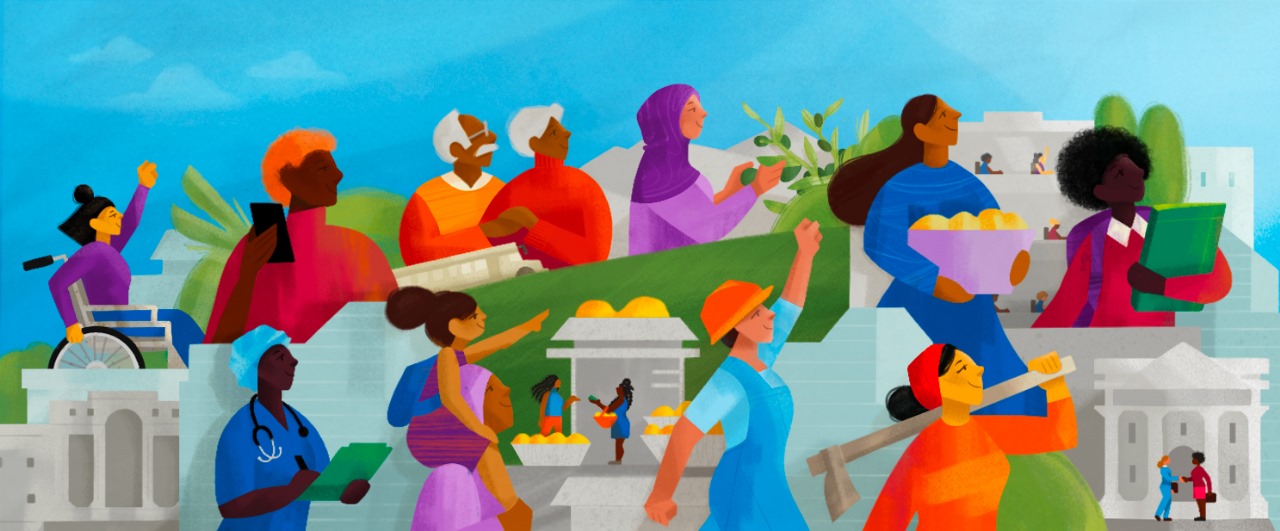
With International Women’s Day on 8 March, the month is commonly devoted to honoring women. On this day, people throughout celebrate the accomplishments, tenacity, and contributions of women in all areas of life. Additionally, the month falls during the yearly meeting of the Commission on the Status of Women (CSW), which takes place at the UN Headquarters and raises awareness of gender equality worldwide. These occasions serve as a reminder of the continuous fight for women’s rights even as they commemorate advancements. Empowering women continues to be a vital component of social justice and sustainable development. Building a peaceful, affluent, and inclusive society requires establishing gender equality and empowering women, as stressed by the United Nations (2023).
Historically, women have faced discrimination in many aspects of life, including education, employment, and political participation. For centuries, societal norms restricted women’s roles largely to domestic responsibilities. However, women across the world challenged these barriers through social movements, advocacy, and leadership. The origins of International Women’s Day itself lie in early 20th century labor movements, when women workers demanded fair wages, better working conditions, and voting rights. These movements gradually evolved into a global campaign advocating women’s rights and gender equality.
With the help of international commitments like the Beijing Platform for Action, which continues to direct efforts toward gender equality and women’s leadership, women have achieved impressive strides in politics and government during the past few decades. Globally, female leaders have shown that they are capable of leading countries with compassion, vision, and tenacity. For example, Jacinda Ardern became well-known throughout the world for her compassionate leadership and dedication to inclusive policies. In a similar vein, Michelle Bachelet has been a vocal global supporter of human rights and gender equality. Their leadership demonstrates how women’s involvement in decision-making promotes societal progress and inclusive governance.
Women have also made extraordinary contributions to science and innovation. One of the most celebrated figures in scientific history is Marie Curie, the first woman to win a Nobel Prize and the only person to win Nobel Prizes in two different scientific fields. Her groundbreaking research on radioactivity transformed scientific understanding and medical treatment. Today, women scientists continue to drive advancements in technology, environmental research, and healthcare, reinforcing the critical role of women in shaping a more innovative and sustainable future.
It is often acknowledged that one of the most effective means of empowering women is education. Girls are better prepared to seek occupations, take part in decision-making, and raise their social and economic standing when they have access to high-quality education. UNESCO claims that educating girls leads to better public health outcomes, economic growth, and a decrease in poverty. Additionally, educated women are more likely to encourage their children’s education and wellbeing, which will benefit future generations.
Women are increasingly playing important roles in economic development as entrepreneurs, professionals, and leaders. Women-led businesses contribute significantly to innovation and job creation worldwide. However, women still face challenges such as unequal pay, limited access to financial resources, and underrepresentation in leadership positions. Reports from the World Economic Forum indicate that gender gaps in economic participation and leadership remain significant in many parts of the world. Addressing these inequalities is essential for achieving inclusive economic growth.
Women are becoming more involved in politics, civil society, and community leadership in nations like Nepal. Advocating for social justice, democratic participation, and gender equality has been greatly aided by women’s organizations and grassroots activists. Their work has helped to change laws and raise public awareness of problems like discrimination, social exclusion, and gender-based violence.
Despite the significant progress achieved, gender inequality continues to persist globally. Women remain underrepresented in political and corporate leadership positions and often face structural barriers that limit their opportunities. According to the World Bank, legal and social barriers still restrict women’s economic participation in many countries. Additionally, gender-based violence remains a serious challenge affecting millions of women worldwide.
Achieving gender equality requires collective action from governments, international organizations, civil society, and communities. Policies that promote equal access to education, healthcare, employment, and leadership opportunities are essential for empowering women. Societies must also challenge cultural norms and stereotypes that restrict women’s potential.
It is critical to acknowledge women’s accomplishments as well as the work left to be done. A better future for future generations is being shaped by empowered women who continue to shatter ceilings and inspire change. Their accomplishments show that gender equality is both a moral requirement and a potent force for advancement on a worldwide scale. In this regard, international pledges like the Beijing Platform for Action and continuing initiatives spearheaded by the UN continue to be essential to the global advancement of women’s rights. However, ongoing focus and action are needed to address enduring issues like underrepresentation in leadership roles, gender-based violence, and unequal access to opportunities. To build inclusive and egalitarian societies, governments, civic society, and individuals must collaborate. Sustainable development outcomes will be accelerated by investing in women’s economic empowerment, health, and education.