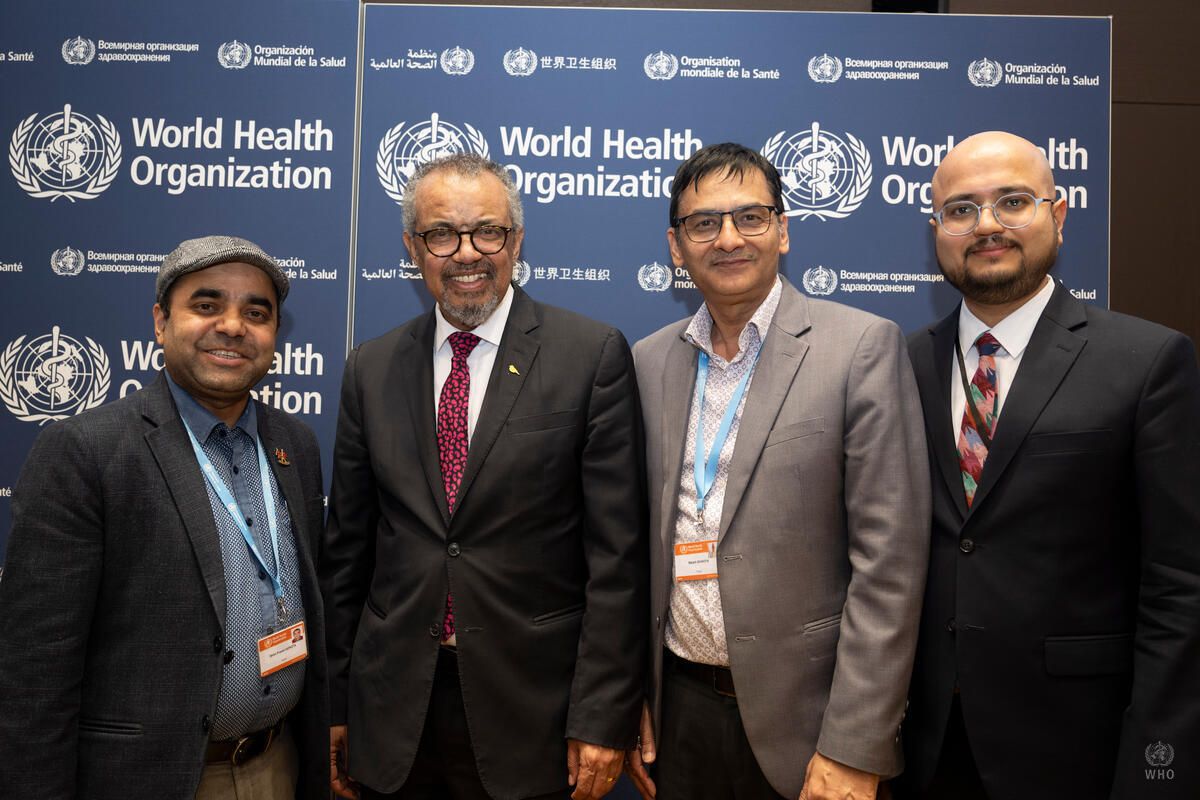
Kathmandu: Nepal participated actively during the 158th Session of the World Health Organization Executive Board held in Geneva from 2 to 6 February. The World Health Organization (WHO) Executive Board is a 34-member body elected for three-year terms to implement policies, advise, and facilitate the work of the World Health Assembly (WHA). It meets twice yearly to prepare the WHA agenda and gives important mandates to the WHO.
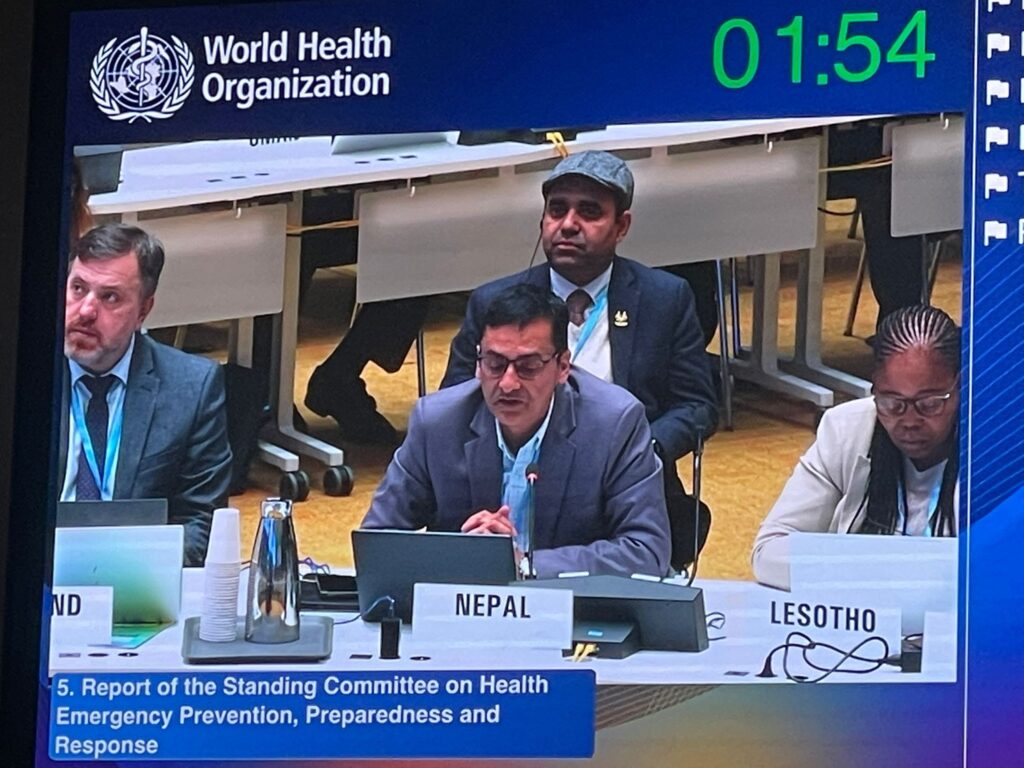
The delegation of Nepal, led by Health Secretary, Dr. Bikash Devkota, delivered national statements on several agenda items considered by the Board. On the day of opening, Dr. Devkota also delivered the regional statement on behalf of the South East Asia Region (SEAR).
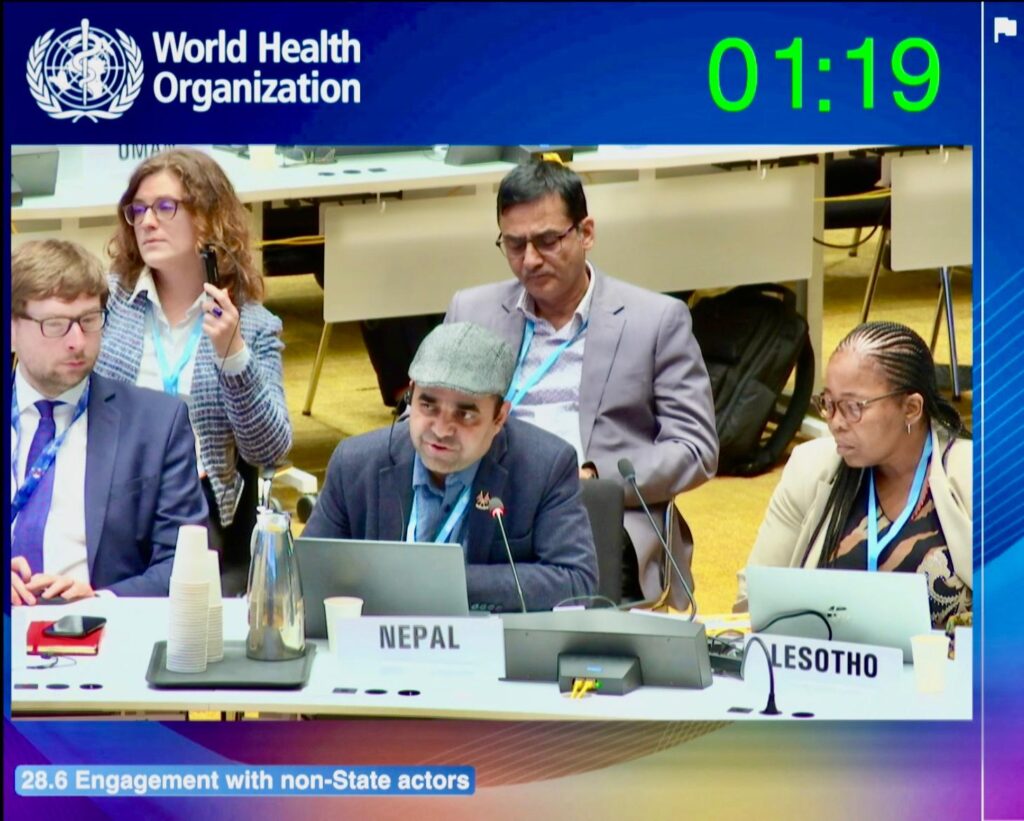
In the statement, Dr. Devkota stressed that health inequities remained a defining issue. “Addressing these inequities is central to achieving sustainable progress and to leaving no one behind.”, he said. Nepal is also serving currently as the regional coordinator for the SEAR Member States of the WHO in Geneva.
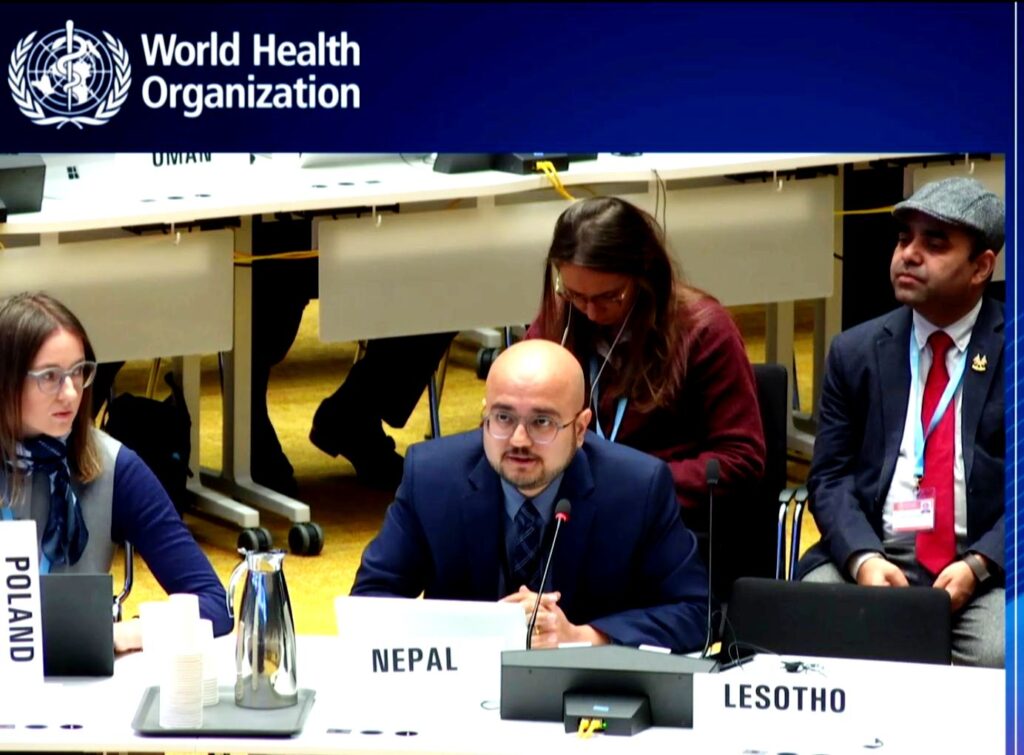
Earlier from 28 to 30 January, Nepal also participated at the Board’s Programme, Budget and Administration Committee –where Nepal’s delegation was led by Dr. Bhim Prasad Sapkota. As a Committee Member, Nepal spoke on several administrative and governance matters.
During the both meetings, Nepal engaged actively in negotiating the draft decisions –formally in the Board room as well as informally in the focused and more intense informal consultations, in corridors, and in cafeteria. Counsellor of Permanent Mission of Nepal in Geneva Suvanga Parajuli, contributed during the negotiations and Nepal’s informal engagements.
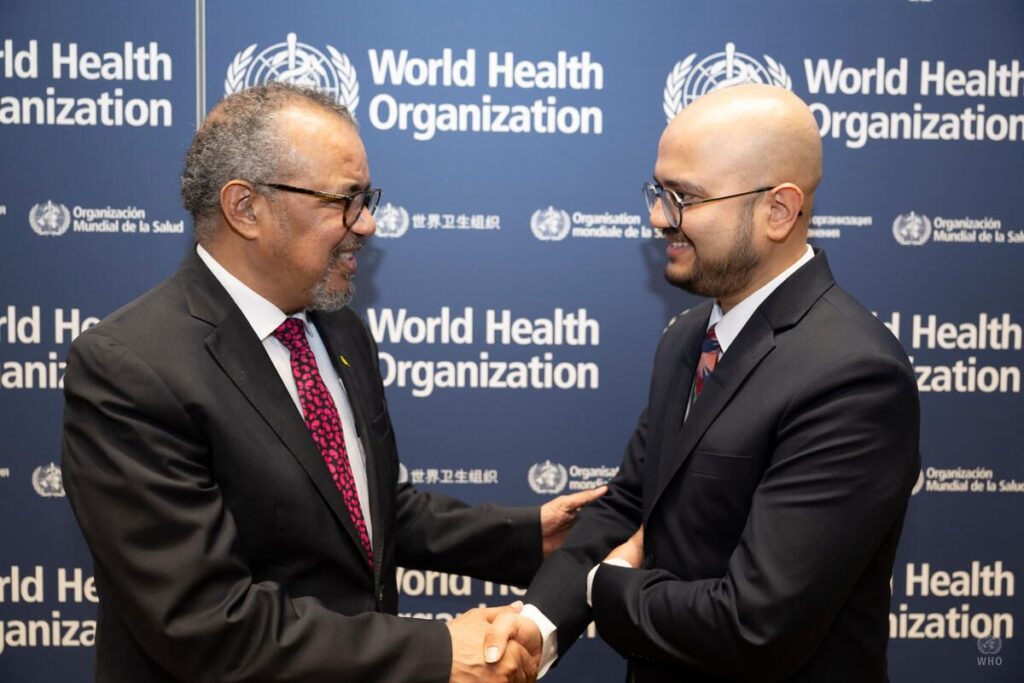
The delegation contributed towards consensus on many important agenda items including the governance reforms, global health architecture and Draft Action Plan on Antimicrobial Resistance 2026-2036. In the words of Journalist Priti Patnaik of Geneva Health Files, Nepal was one of the few countries that “played key roles in resolving the differences or finding ways out of seeming impasse.”