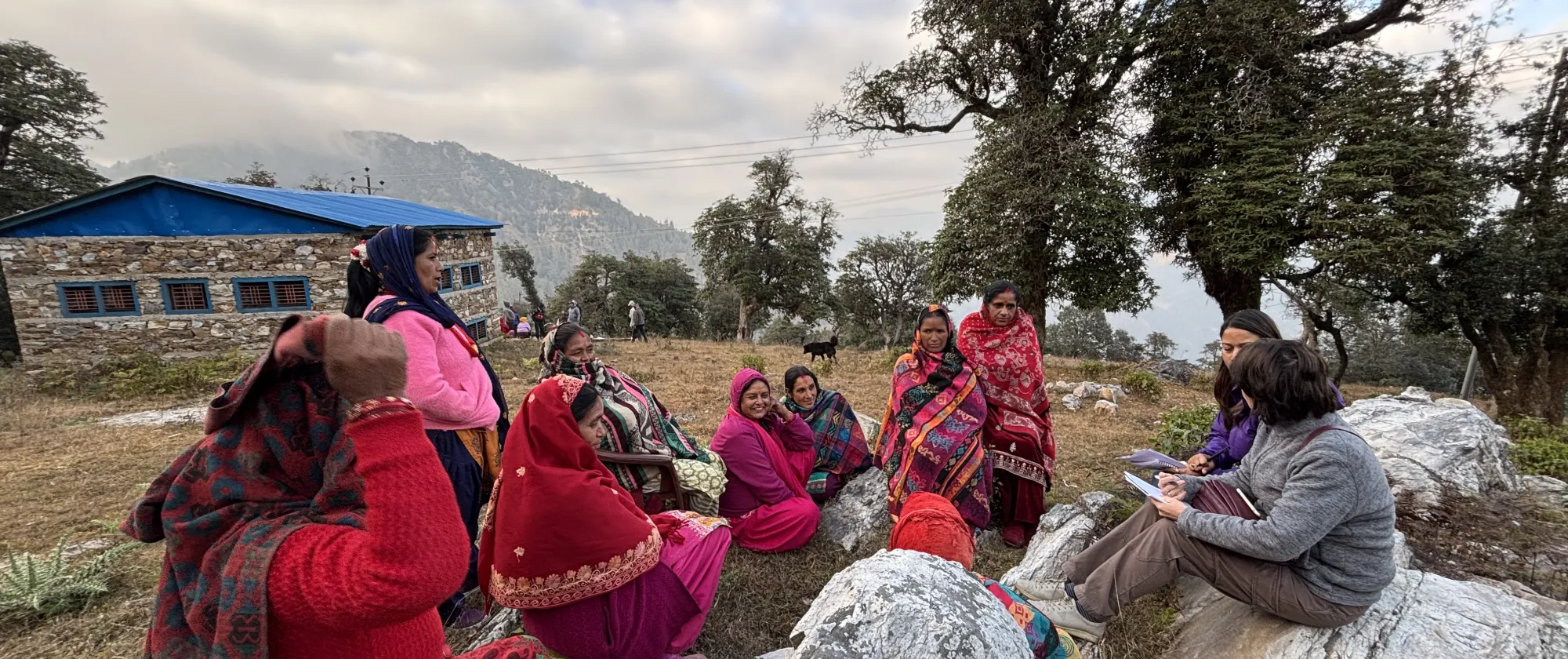
Kathmandu: The Juneli Farmers Group in Birendranagar Municipality, Surkhet, Nepal, is made up of 17 women who have been farming for most of their lives. For some, it has been nearly four decades since they first worked the land. What began as a way to feed their families has, over the last several years, slowly become a viable business and a source of growing confidence.
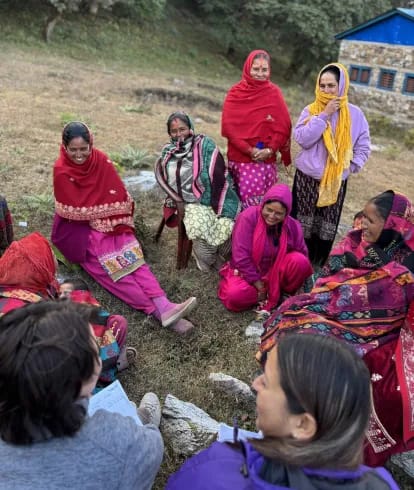
Their day begins early. Meals prepared, households organised, the women walk into the hills to collect grass for their cattle. By mid-morning they return home to feed their animals before heading into the fields for several hours. The routine is long, but they describe it matter-of-factly, with a sense of mastery rather than exhaustion.
Many households share farm work between men and women. For three women whose husbands are working abroad, managing both the home and the farm has meant developing new skills and independence. Decisions are increasingly shared within households, and the women speak of hard work but also a growing confidence in asserting their needs and priorities.
Before: Unpredictable markets and limited options
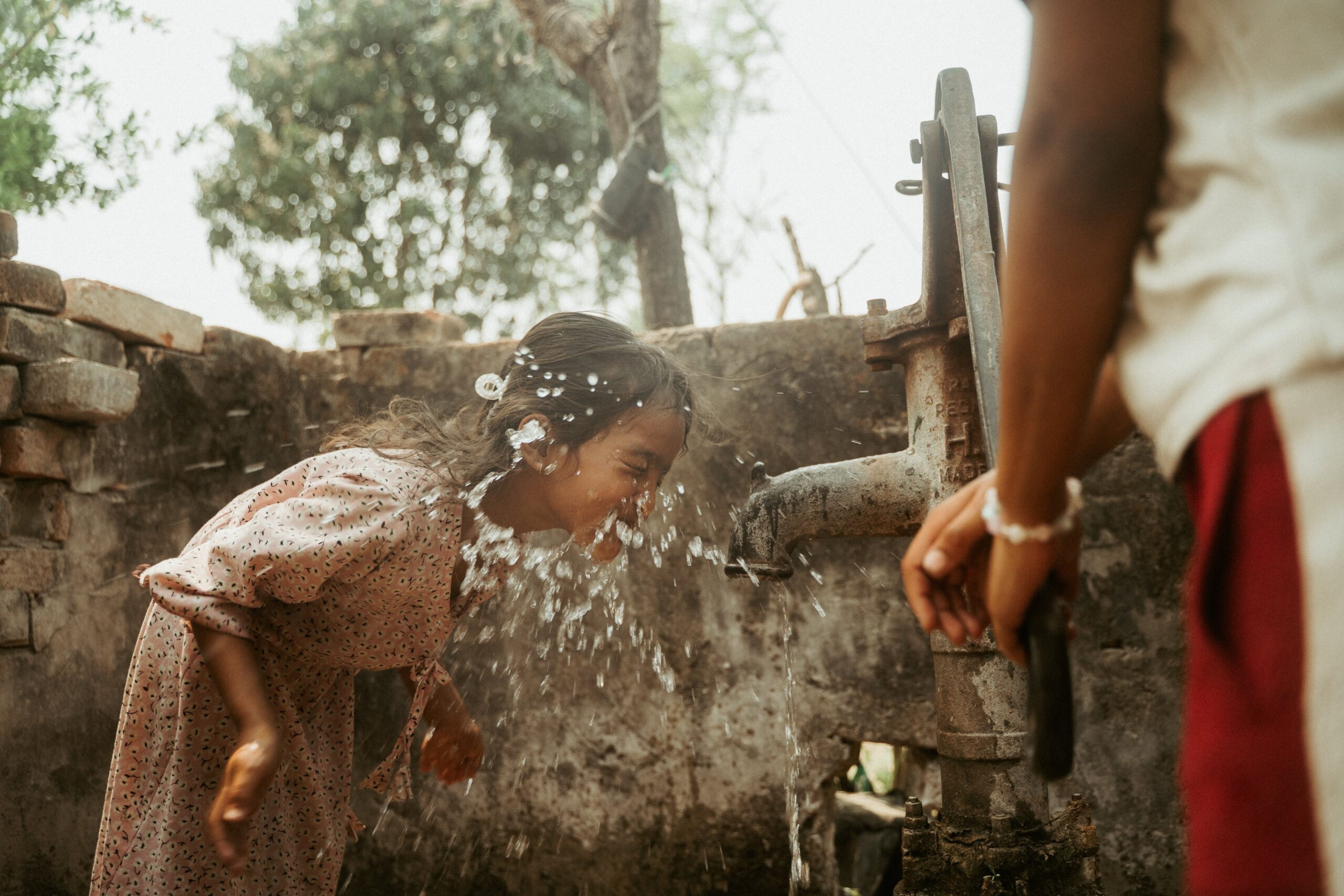
Before joining the EU–UN Empowered Women, Prosperous Nepal (EWPN) /ILO-supported work, selling their produce used to be one of the hardest parts of their work. The women often had to walk long distances carrying heavy loads to reach a market, only to receive low or unpredictable prices. Valuable time, labour, and income were frequently lost in the process.
In response to these challenges, the Juneli Farmers Group became involved in activities linked to the EWPN programme, implemented by the ILO, UNICEF, UNFPA and UN Women across municipalities in Karnali, Sudurpashchim and Madhesh provinces. EWPN works with local governments, community groups, and complementary projects like GIZ GRAPE, which focuses on strengthening climate-resilient agriculture.
For groups like Juneli, this collaboration meant access to something that had previously been out of reach: technical assistance, direct market linkages, and the confidence to negotiate together as a collective, moving beyond the constraints of informal farming.
After: Direct buyers, stronger bargaining power, and better income stability
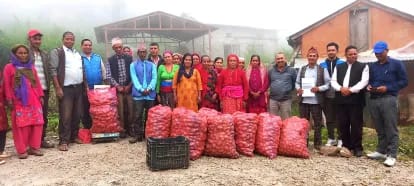
Through EWPN support, and in collaboration with the Surkhet Market Management Committee, the group was connected to a bulk buyer who began purchasing potatoes directly from their ward. Instead of walking long distances, a vehicle now arrives to collect their produce and pay them every 15 days.
The change has been immediate and significant; they save time and labour, sell in larger volumes, earn more predictable income, and negotiate with greater confidence.
When they negotiated their first formal agreement, the group asked their chairperson to represent them. But after the experience, Kaushila Ghimire reflected: “Next time, we all want to take part more actively. Now we know how to think about costs and market rates.”
From storage to cost calculation
Another major shift came through assistance delivered by EWPN and other local partners, including support on climate-resilient storage and production practices.
A rustic potato storage structure already existed in their community, but the women had never been taught how to use it correctly. After receiving guidance, they began storing seed potatoes collectively, protecting them from pests and reducing losses.
This has two long-term effects: they can preserve more of their own seeds and they can reduce the amount they need to purchase for the next season.
Training also helped them understand their full cost of production – an essential skill for any small business. Khagisara Oli summarised the shift simply: “It’s much better than working alone.”
Growing leadership, solidarity, and recognition
Perhaps the most powerful change is internal. The women talk openly about how working as a group has expanded their confidence, how sharing struggles and learning together has strengthened their voice.
They now discuss prices and advocate more strongly for their needs in community meetings. Younger women in the community look to them for guidance. Their families recognise their leadership in ways they did not before.
Looking ahead: More skills, more knowledge, and a stronger future
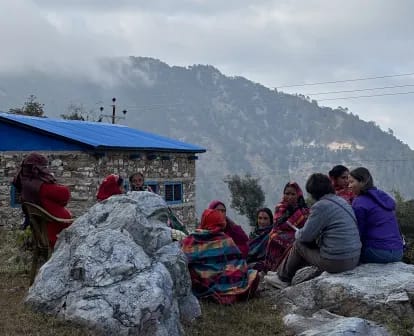
When asked about the future, the Juneli Farmers Group answers quickly and clearly. They want to deepen their understanding of planting techniques, learn how to prevent crop diseases, strengthen their knowledge of safe pesticide use, and improve their harvesting methods. They are also eager to explore new technologies that could support their production.
Their goals are clear: to grow their yields, increase their income, and build greater economic stability for their families.
What began as daily survival has slowly become a path of possibility. For these women, farming is not just work, it is dignity, identity, and a growing source of economic power. With the right support, knowledge, and market access, they are redefining what is possible for women in their community and across the region.
(This story is based on a group interview with members of the Juneli Farmers Group in Birendranagar Municipality, Surkhet, Nepal: Kausila Ghimire (Vice Chairperson), Jayanti Ghimire (Secretary), Nanda Oli, Devisara Khatri, Bhakta Kumari Oli, Lila Devi BK, Bacha Budha, Padmimaya Khadka (Operating Coordinator/Potato Rustic Store), Khagisara Oli, and Gita Khatri.)
Article Source: ILO News