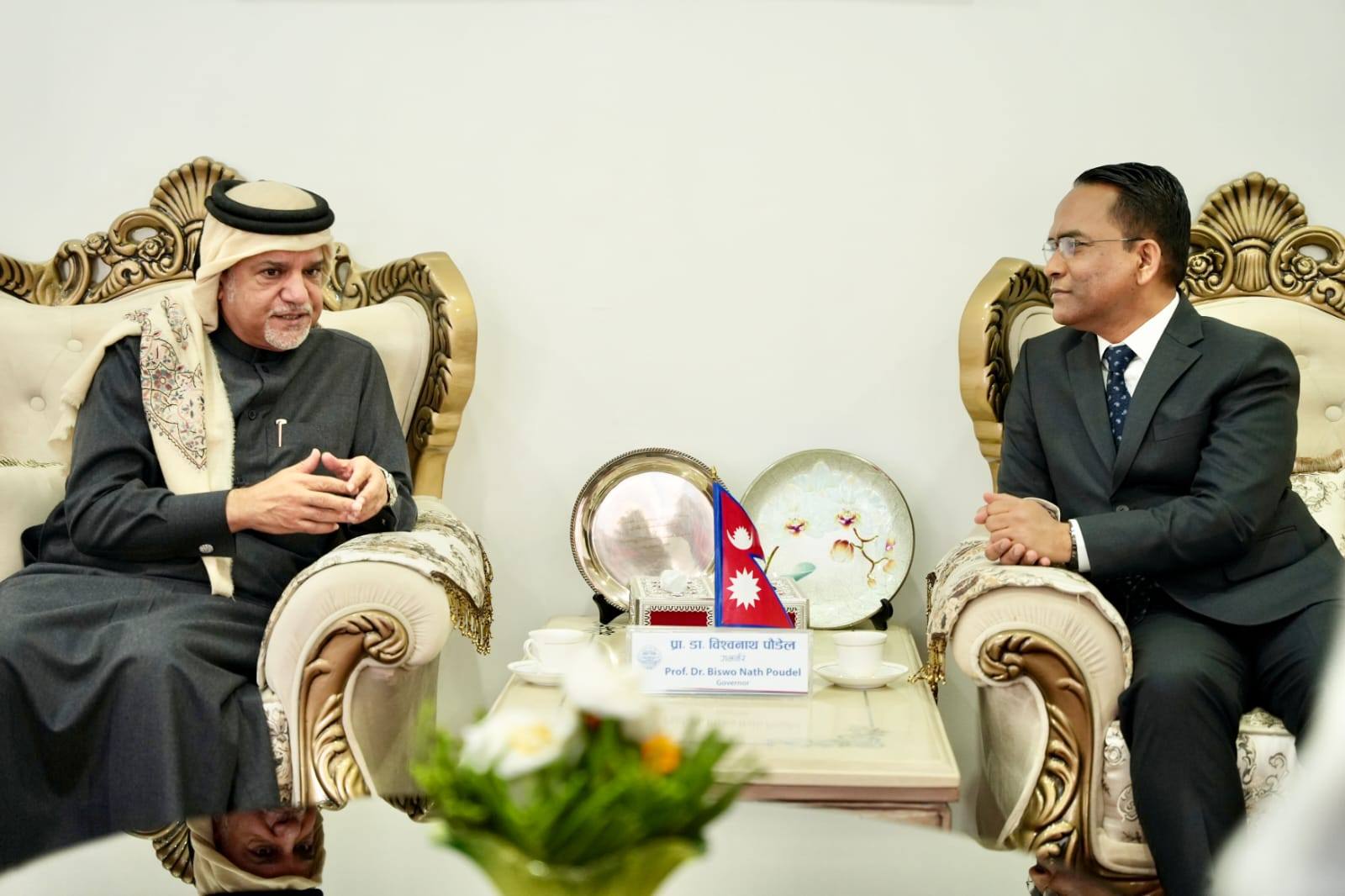
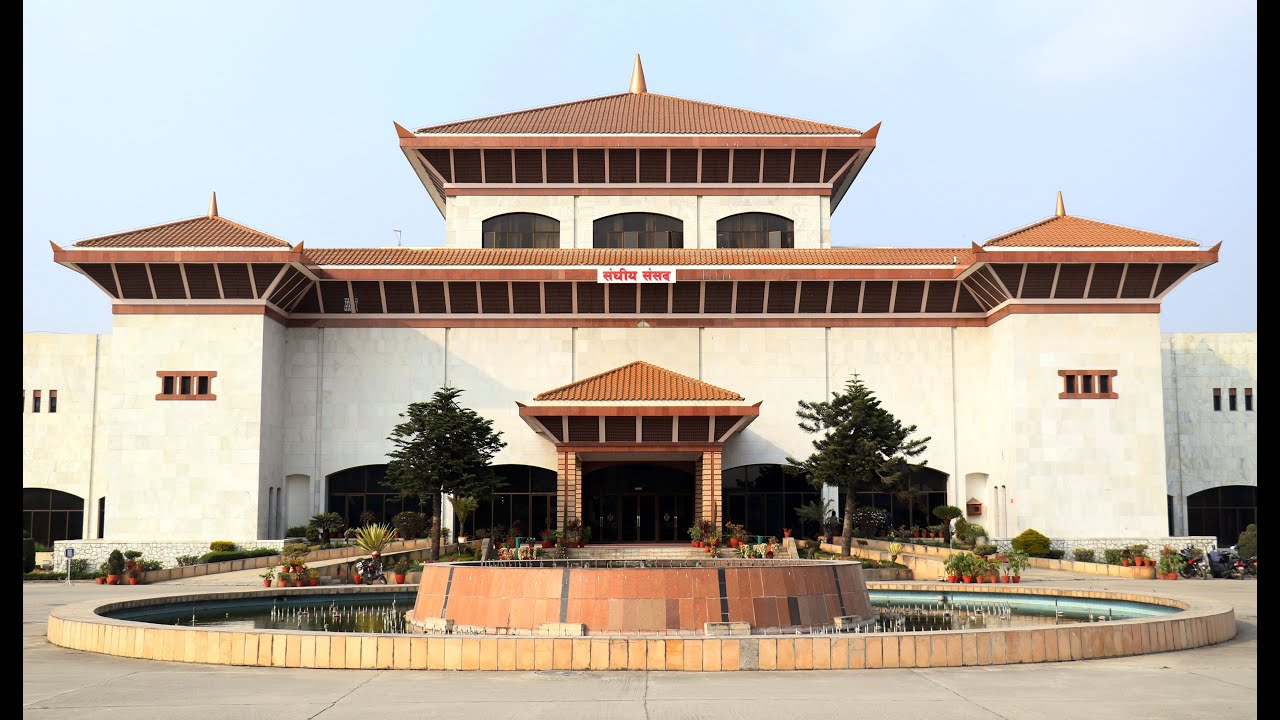
The history of institution-building in Nepal dates back to the eighteenth century, beginning with the military victory of the Gorkha State over the Kantipur State and culminating in the institutionalization of Prithvi Narayan Shah, the king of Gorkha, as the first king of Nepal in September 1768. The fundamental pillars of institutional development during the unification campaign were kingship, the military, and the Bhardari Sabha (assembly of nobles).
The seven-decade-long unification campaign was envisioned, led, and executed entirely by internal actors. It established the Shah dynasty as Nepal’s supreme political institution and led to the formation of the Gorkhali Army, comprising five battle-hardened companies in 1762–63. The campaign also institutionalized the Gorkha State’s widely accepted justice and governance system, known as Ram Rajya (utopian rule), and created Jaisi Kotha as the department of diplomacy. In addition, the vibrant economic and trading institutions of the three kingdoms of the Kathmandu Valley were integrated into the emerging state structure. These foundational institutions enabled the newly formed state to function effectively and confront both internal and external challenges. Over time, these indigenous state institutions underwent gradual reforms across different political eras, while new institutions were introduced as required.
Creation of Modern State-Institutions
Following the departure of the British Empire from the Indian subcontinent in 1947, independent India inherited British-style parliamentary democracy and modern state institutions. This transformation rapidly influenced Nepal’s political and strategic landscape. A successful political revolution led to the overthrow of the autocratic Rana regime and the establishment of democracy in 1951. This landmark change marked Nepal’s entry into a modern era of institution-building process.
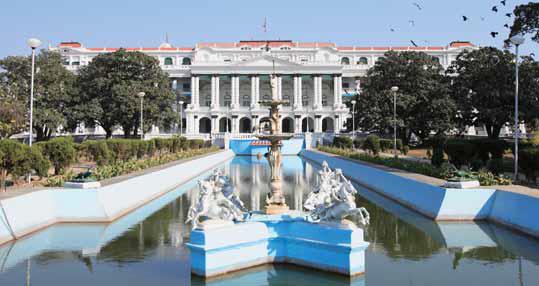
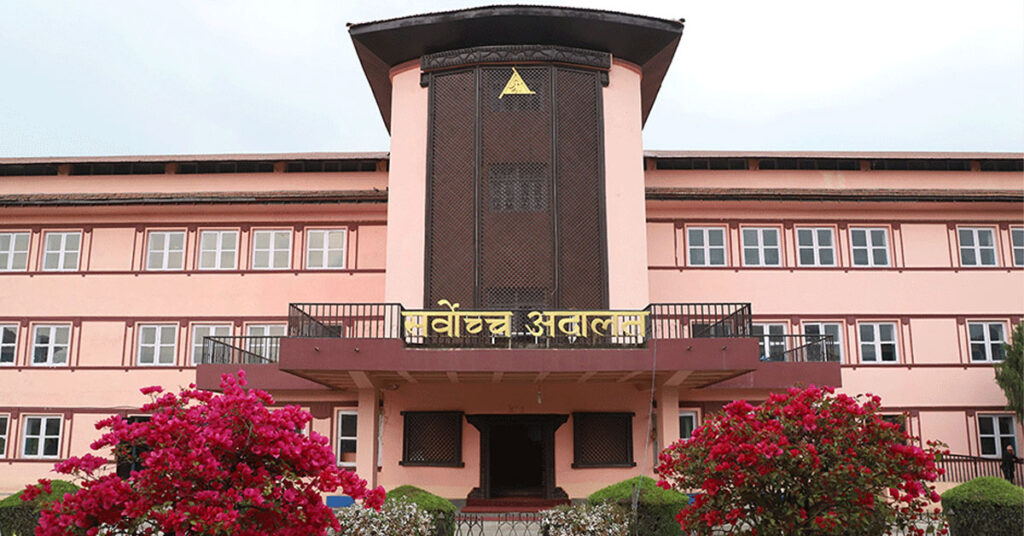
The promulgation of the Interim Government Act of 1951, followed by the Constitution of the Kingdom of Nepal in 1959, and membership of the United Nations in 1955, laid the foundation of the modern Nepali state. In this period, key state-institutions such as the Nepali Army was reorganized and modernized, the Nepal Police was raised as a professional law enforcement agency (1953), Nepal Rastra Bank and National Planning Commission were established (1956), the Supreme Court was instituted (1956), and the Office of the Auditor General (OAG) was established (1959). The first parliamentary election was held in 1959, after which Parliament elected the Prime Minister, marking the full operationalization of parliamentary democracy. Furthermore, the establishment of the Public Service Commission in 1951 and the enactment of the Civil Service Act in 1956 formalized and modernized Nepal’s civil administration, emphasizing meritocracy, efficiency, and inclusion. Strengthening of state-institutions, and formulation of various state policies including the non-aligned foreign policy and diversification of international relations occurred during the Panchayat era. In the post-1990 democratic era, the Commission for the Investigation of Abuse of Authority (CIAA) was established to curb corruption and promote accountability and good governance.
All three branches of government—the executive, legislature, and judiciary—were established between 1951 and 1959, marking a major milestone for a country that had remained under autocratic family rule for 104 years. Despite being one of the oldest nations in Asia, Nepal’s institution-building process has faced severe internal and external upheavals, most notably frequent political transformations and the Maoist armed insurgency. During the peace process, the NCP (Maoist) and the Seven Party Alliance (SPA) separately invited the United Nations Mission in Nepal (UNMIN) to play a monitoring role. Among the three branches, the executive has been the most unstable since the advent of democracy, largely due to weak leadership and democratic fragility. Notably, no prime minister since 1951 has been able to complete a full stipulated term in office.
All three political systems—the party-less Panchayat system, multiparty democracy (the twin-pillar system), and the federal democratic republic—have confronted a common challenge: political instability. As instability became the new normal, its adverse effects permeated the other two branches of government, state institutions, and society at large. The republican constitution introduced a three-tier system of governance—federal, provincial, and local—with the objective of decentralizing power from Singha Durbar to the people’s doorsteps. However, the mere creation of institutional structures is insufficient; fostering institutional capacity and developing sound institutional models are essential for effective governance.
International Experience
The United Nations and the broader international community have long assisted developing countries and post-conflict states in the institution-building process. Institution-building is inherently a long-term endeavor and often requires sustained external support over extended periods. However, externally assisted institution-building efforts have frequently collapsed soon after such assistance was withdrawn. For example, between 2001 and 2022, the United States and its allies invested substantial financial resources and technical expertise in building state institutions in Afghanistan. The United States alone spent over USD 145 billion across three core sectors: security; governance and democracy; and infrastructure and service-related institutions. Nevertheless, many of these institutions proved unsustainable once U.S. funding and technical support were terminated.
Likewise, the United Nations Mission in Haiti focused on strengthening democratic institutions, undertaking security sector reform, building a professional police force, consolidating peace, and fostering self-sustaining state institutions. UN peacekeeping missions in other parts of the world have also been mandated to support state-building efforts in host countries. Nevertheless, many such interventions have faced the lack of genuine national ownership, which has often led to failures in building accountable, effective, and sustainable institutions.
In contrast, Singapore, a former British colony, represents a successful model of domestically led and driven institution-building under a strong leadership. Its governance framework has been anchored in meritocracy, racial and religious harmony, clean government, the rule of law, inclusiveness, and environmental care as core principles of effective governance and sustained prosperity. India, likewise, inherited a colonial institutional legacy from British rule, but continuously reformed and adapted these institutions to suit its own political, societal, and developmental needs.
Reasons for Institutional Failure
Externally imposed models of institution-building have often failed due to insufficient technical capacity and the absence of genuine local ownership. Effective and sustainable institution-building ultimately hinges on the quality and skills of leadership. In Nepal, weak leadership, poor governance, pervasive corruption, lack of internal democracy within political parties, prolonged political instability, and inadequate accountability and transparency have cumulatively undermined state institutions. The politicization of state institutions, the erosion of meritocracy, and associated unethical practices are among the most visible factors contributing to institutional fragility.
A survey report published by the Center for Insights in Survey Research (CISR) in 2024 reveals stark contrasts in public trust across state-institutions. The Nepali Army ranked highest, with 93 percent of respondents expressing approval of its performance, while political parties ranked at the bottom preceded by the judicial system, the federal and provincial parliaments. The politicization of law enforcement agencies, the civil administration, the judiciary, educational institutions, and semi-government bodies has significantly weakened their capacity to deliver services effectively.
In conclusion, the institution-building process hinges on strong leadership capable of promoting accountability, transparency in decision-making, and sustained capacity-building in the system. In Nepal, the public image of political parties—the primary drivers of institution-building and good governance—has reached a historic low, as reflected in surveys conducted by various research institutions. Nepal can draw important lessons from the experiences of Singapore and India, both of which have achieved political stability, economic development, and strong institutions. Adapting lessons from internal and external experiences and best practices is essential for strengthening state-institutions and ensuring good governance.