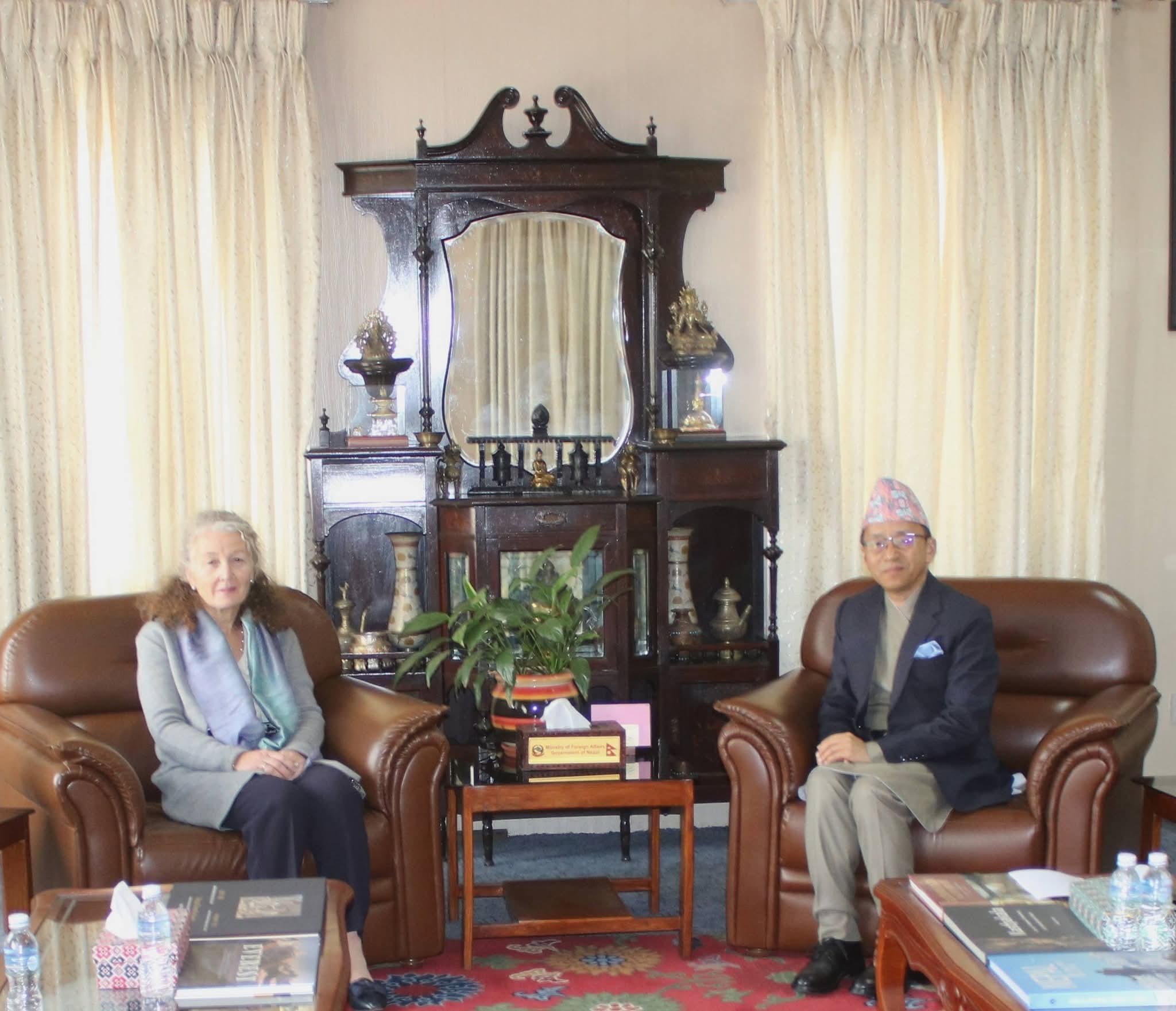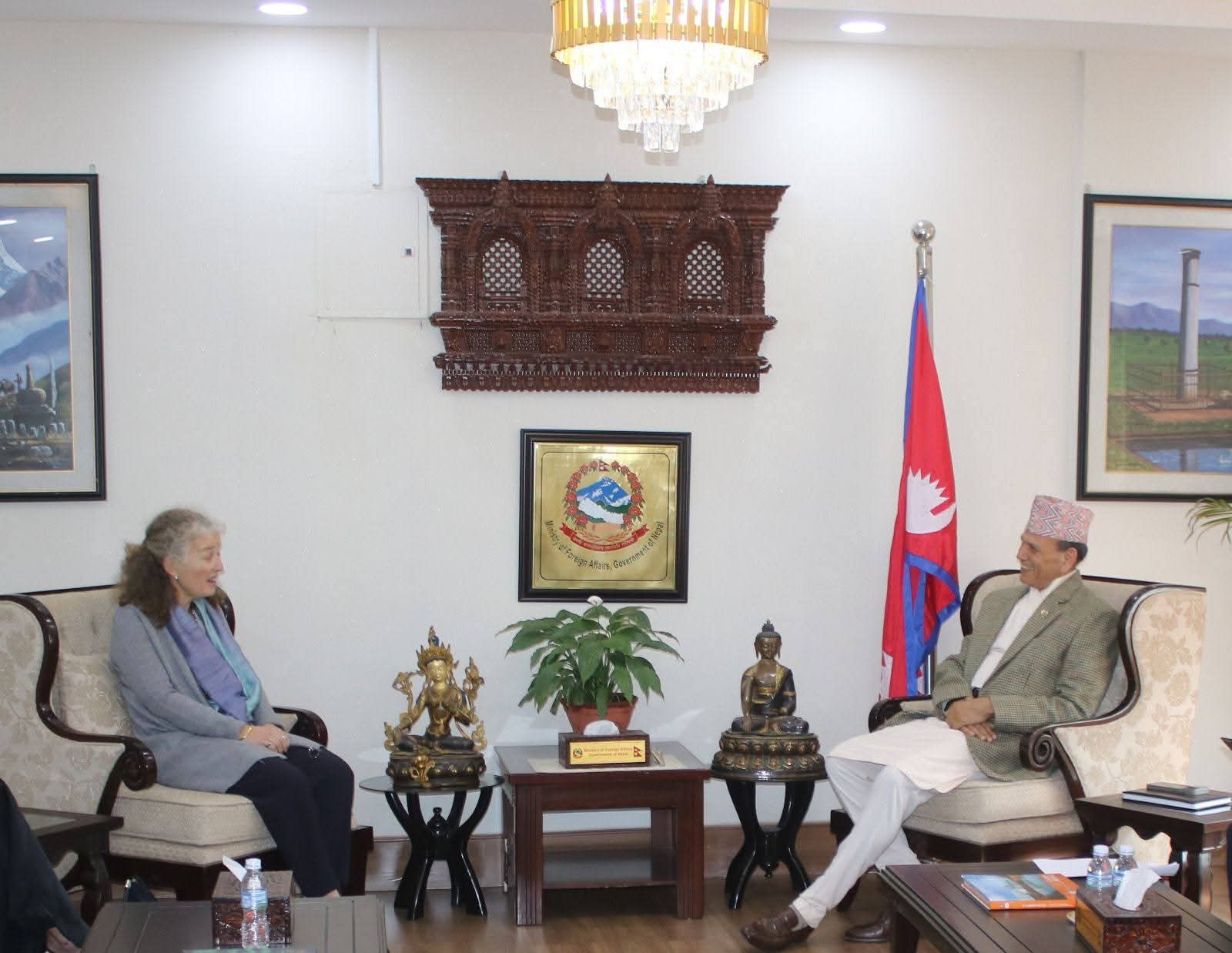
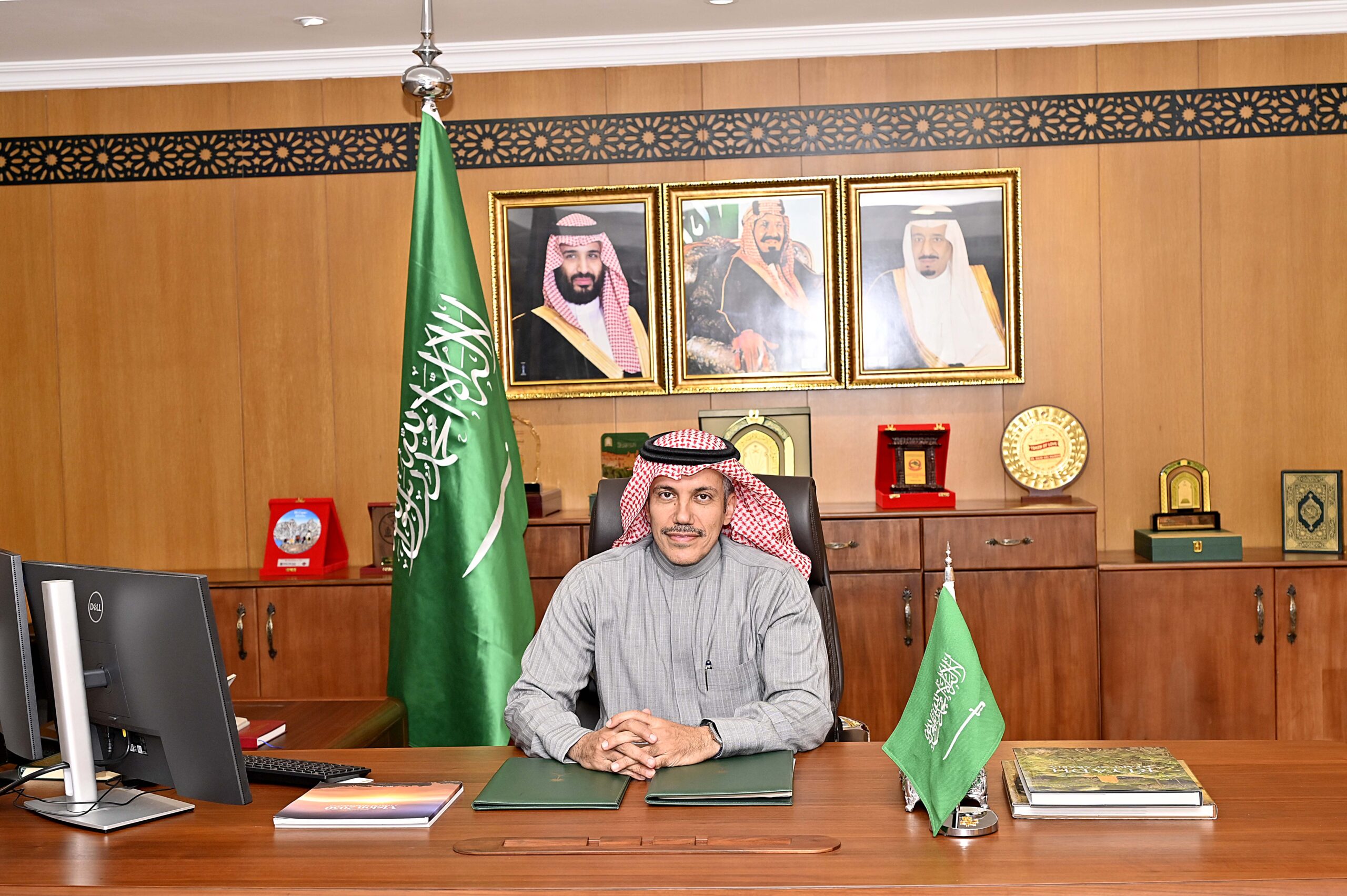
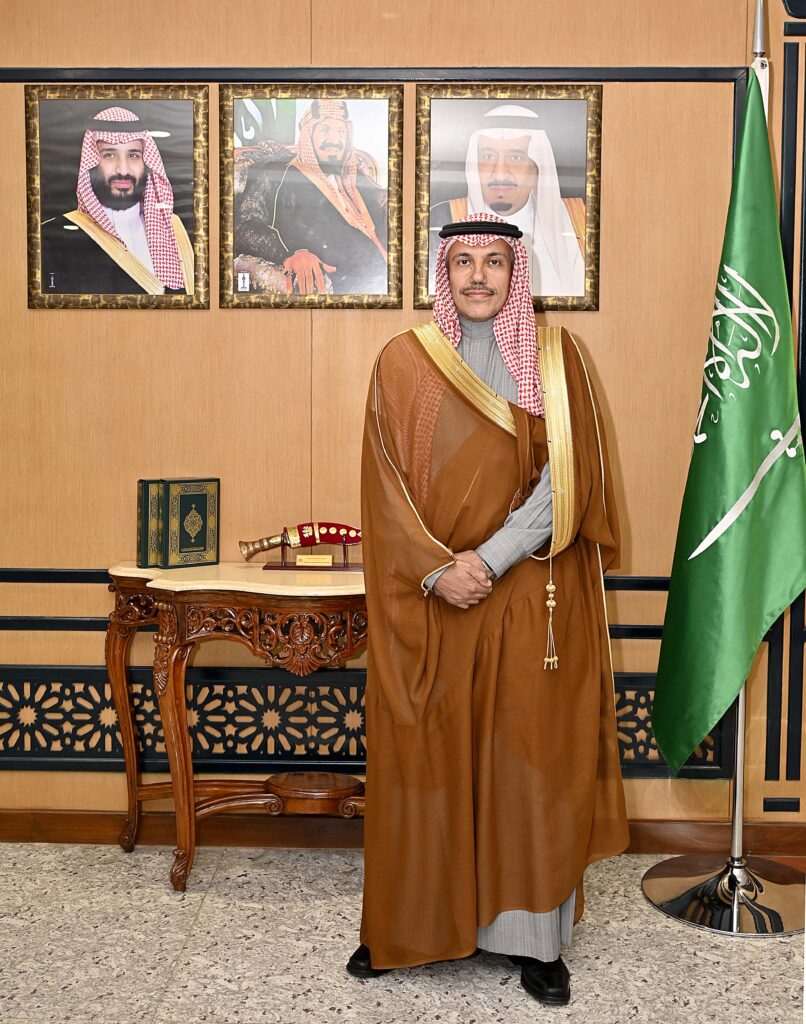
Ambassador of the Kingdom of Saudi Arabia to Nepal, His Excellency Saad Nasser Abdullah Abu Haimed, came to Nepal in 2022. During his tenure in Nepal, the Ambassador played a crucial role in strengthening Saudi Arabia–Nepal relations. Saudi Arabia is one of the world’s rising superpowers and a dominant power in West Asia. More importantly, it is one of Nepal’s major migrant-receiving countries. A Saudi diplomat with more than two decades of experience, he has done a wonderful job of elevating bilateral relations between the two countries. Before the Ambassador Abu Haimed left for Riyadh last week of November, The Diplomat Nepal magazine sat down with him for an interview to learn about his work and personal experiences in Nepal.
Nepal and Saudi Arabia have had almost five decades of relations. How do you see the growing relations between the two countries?
Bilateral relations between the Kingdom of Saudi Arabia and Nepal began in 1977, and the two countries enjoy friendly relations. These relations have witnessed remarkable development in recent years, particularly following the visit of His Highness Prince Faisal bin Farhan Al-Saud, Minister of Foreign Affairs, to Nepal in 2022, during which a general cooperation agreement was signed between the two countries in all fields. The Kingdom cooperates with Nepal in the areas of hydroelectric power, agriculture, energy, and labour. It is also worth noting that the Kingdom is one of the largest employers of Nepali workers, hosting approximately 400,000 Nepalis, and also receives thousands of pilgrims from Nepal annually.
You arrived in Nepal in 2022. After spending three years here, how would you describe your experience in Nepal so far?
I have now spent more than 20 years as a diplomat, and the last three years in Nepal have seen many developments, both in relations between the two countries and in personal experiences. Nepal has been a turning point for me in my efforts to strengthen relations between Saudi Arabia and Nepal. As I mentioned before, we have been working to strengthen relations across many fields, especially in labour, where 400,000 Nepalis are working in the Kingdom. The final version of the general labour agreement has been completed and approved by both sides, and it is now in the signing stage. We also have a large number of Nepali students who have received scholarships from the Kingdom to complete their studies at Saudi universities and pursue high-quality education. I hope that many of them will return to contribute to the development of Nepal. In addition, Nepal is a tourist destination for many Saudi tourists who enjoy the natural scenery or mountain climbing. During my stay, I met many Nepali people, both officials and ordinary citizens, and I have been touched by their welcoming nature. I also found that they are among the most hospitable and tolerant people.
How do you view high-level engagement between the two countries?
There is close cooperation between the two countries, as the Kingdom is considered one of the donor countries to Nepal. The Kingdom has supported Nepal with more than $150 million in very soft loans through the Saudi Development Bank for development projects, as well as for reconstruction after the 2015 earthquake, in addition to projects in hydropower energy. There is great cooperation between the two countries in international organizations and bodies, and the Kingdom provides around 100 scholarships to Nepalese students every year. The King Salman Center for Relief and Humanitarian Action has also begun providing assistance to those affected by floods and landslides, as 20 tons of dates were provided to the Nepalese government to be distributed appropriately. In addition, another 20 tons will be provided before the end of 2025. Regarding Islamic and Muslim affairs, the government of the Kingdom of Saudi Arabia, led by the Custodian of the Two Holy Mosques, King Salman bin Abdulaziz, and His Royal Highness Prince Mohammed bin Salman, Crown Prince and Prime Minister, pays full attention to everything related to Islam and Muslims around the world. Many activities and projects have been carried out for Muslims in cooperation with the Ministry of Islamic Affairs, Call and Guidance in the Kingdom, such as the Custodian of the Two Holy Mosques Iftar project for fasting people in Ramadan and the distribution of dates, in addition to holding the Annual Quran Competition for boys and girls.
What are Saudi Arabia’s current priorities for Nepal?
The bilateral relationship between the Kingdom and Nepal has extended for more than 45 years, and we look forward to strengthening these relations and opening new horizons of cooperation, especially in economic and investment fields, in a way that serves the interests of both countries, as well as increasing cooperation in training and manpower.
Saudi Arabia has welcomed around 400,000 Nepali migrant workers. How do you see Nepalis’ contributions to Saudi Arabia’s growing economy?
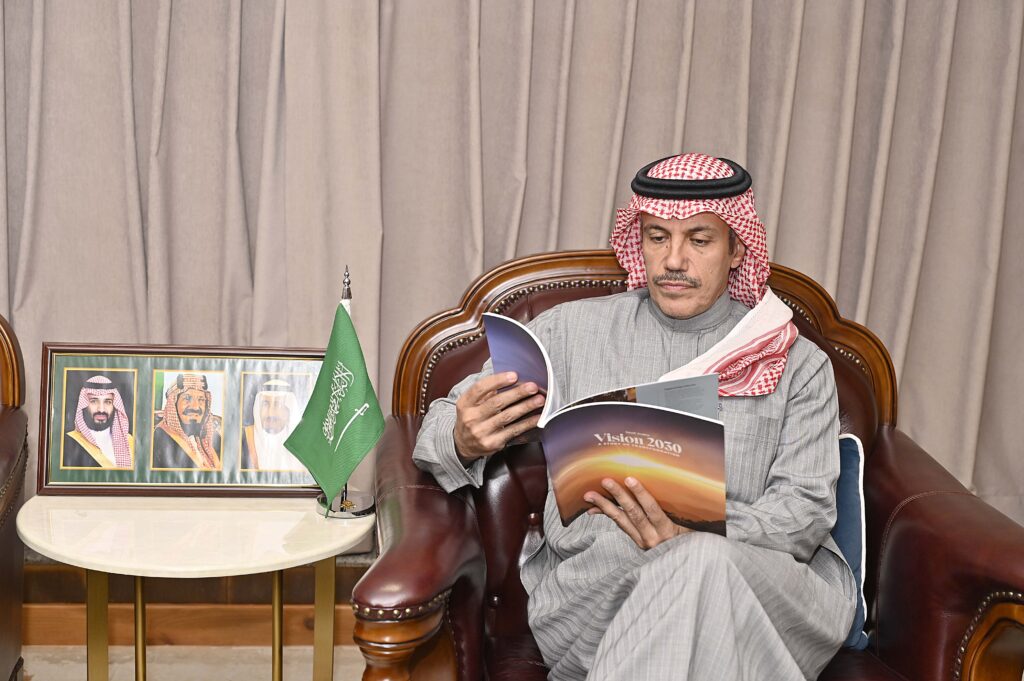
Under the guidance of the Custodian of the Two Holy Mosques, King Salman bin Abdulaziz, the Kingdom of Saudi Arabia has embarked on a journey towards a promising and bright future with Vision 2030, which was set by His Royal Highness Prince Mohammed bin Salman, Crown Prince and Prime Minister, in 2016. Its pillars are a vibrant society, a prosperous economy, and an ambitious nation. The vision includes diversifying the economy, and many tourism projects and new cities have been announced, including NEOM and The Line, the Red Sea, AlUla, Qiddiya, Diriyah Gate, and many other projects. There is no doubt that Nepalese workers have contributed to building and completing major projects in the Kingdom. They are distinguished by their dedication to work, which makes them highly valued by the Saudi people. We see Nepalese workers in all professional fields, and they also contribute to the development of their own country through remittances.
Saudi Arabia is not only a destination for Nepali migrant workers but also a country with significant potential to invest in Nepal. Do you see further investment in Nepal from Saudi Arabia?
There are many opportunities in Nepal for Saudi companies to invest. To present these opportunities, the embassy held a virtual meeting between the Nepalese Ministry of Commerce and the Saudi Ministry of Investment, with the participation of the Nepal Investment Authority and a number of businessmen from both countries. We look forward to bilateral agreements between the two countries that will contribute to attracting investments in both countries.
Moving on to your personal experience in Nepal, how would you describe the country?
It is beautiful and diverse in its natural resources—forests, mountains, rivers, and lakes—making it very suitable for nature lovers, mountain climbers, and adventurers. I personally went for walks in Nagarkot, Shivapuri, Elephant Mountain, and many places inside and outside the capital. The Himalayan peaks are incredibly beautiful; even if you do not climb them, simply watching them gives you a sense of comfort and beauty.
You have worked, collaborated, and interacted with many Nepali people. How would you describe them?
Through my work, as well as my interactions and meetings with many segments of the Nepalese people, whether officials or citizens, I have found them respectful and calm. I sensed the love Nepali people have for others and their openness to those coming from outside their country. They are hospitable and tolerant, treating people kindly even if they do not know them, and they greatly respect their guests.
Do you enjoy Nepali cuisine? Which dish do you like the most, and why?
Nepalese cuisine, in my experience, is simpler and healthier, as it is often low in fat and contains many vegetables and spices. I enjoyed it very much and liked the “Momo” dish, as well as “Thakali” and “Dal Bhat.”
How many places have you visited in Nepal? Can you share your favourite destination and explain why?
I visited Pokhara and Chitwan, which are two beautiful cities. Pokhara is my favourite destination because of the lake, and also because you can see the snowy mountain peaks and the forested hills at the same time. There are many beautiful places in Nepal that I have not yet been able to visit. I am a fan of tourism, and I encourage tourists to visit Nepal, especially since it is home to the world’s highest peak, Mt. Everest.
How would you describe Nepal from an art and culture perspective?
Nepal is considered a land of rich heritage due to its deep-rooted culture, which is a vibrant blend of religious traditions, numerous UNESCO World Heritage Sites, and a mosaic of diverse ethnic groups. This heritage is reflected in its ancient temples, palaces, festivals, music, dance, art, and architecture, showcasing centuries of history and religious significance. Due to the multiple cultures in Nepal, I noticed that each culture has its own distinct character in art, customs, and even clothing. It is a culture with a unique identity that Nepalese citizens are proud of and preserve as national heritage.
Lastly, can you share with us what Saudi Arabia expects from Nepal?
Opening new horizons for cooperation between the two countries in the economic and investment fields, in addition to further cooperation regarding labour, whether in the corporate or domestic sectors.