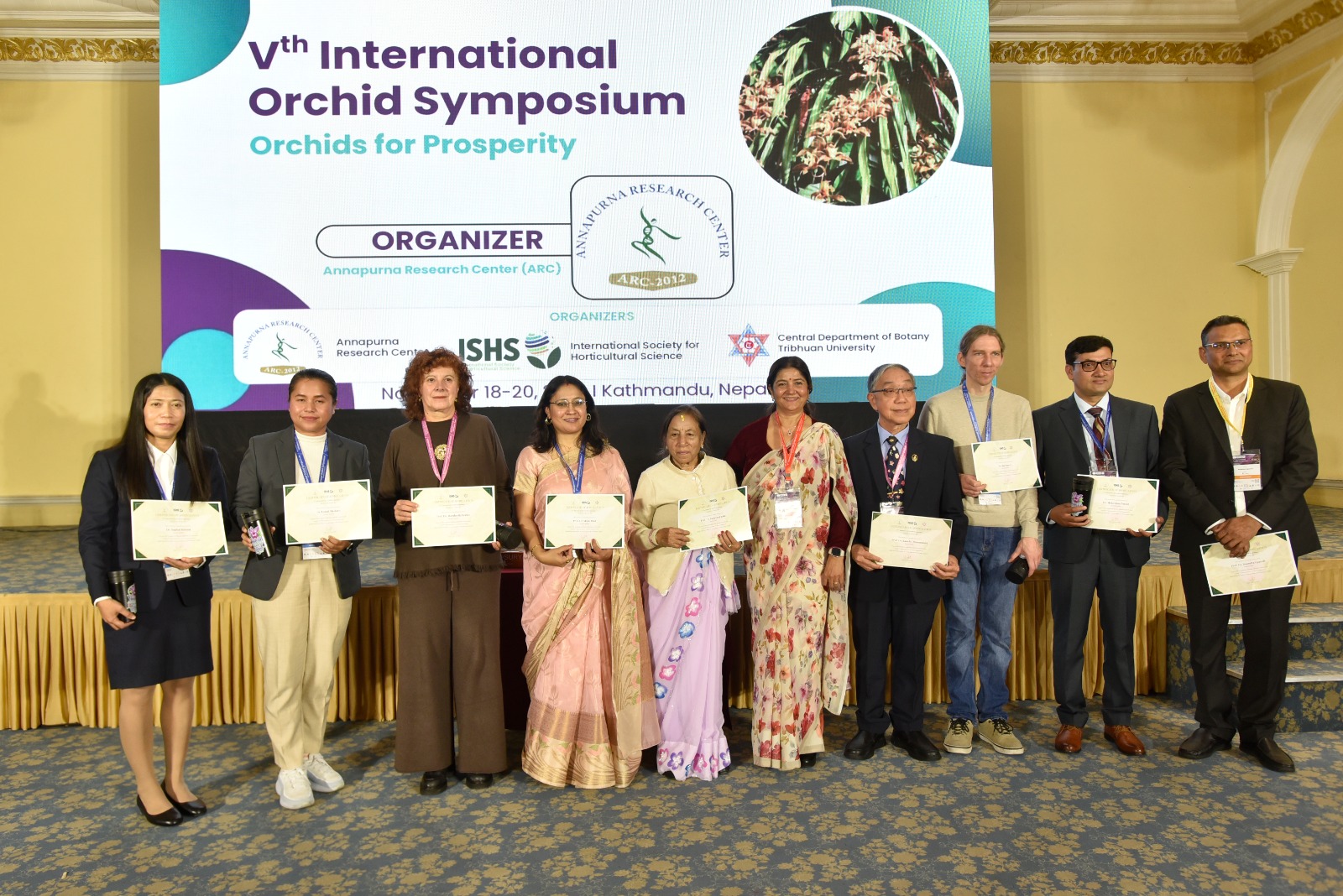
Kathmandu: Experts from more than 20 countries have gathered in Kathmandu to share research on orchid conservation, biotechnology, medicinal applications and commercial cultivation, highlighting the growing importance of scientific approaches to protecting and utilising the plant.
Presenting their research findings at the Fifth International Orchid Symposium, which began at Park Village Resort in Budhanilkantha on Wednesday, November 18, they stressed the need to harness biotechnology and tissue culture to conserve wild orchid species, expand commercial cultivation and explore their medicinal potential.
The first day featured three technical sessions covering the orchid industry; micropropagation and biotechnology; and phytochemistry and pharmacology.
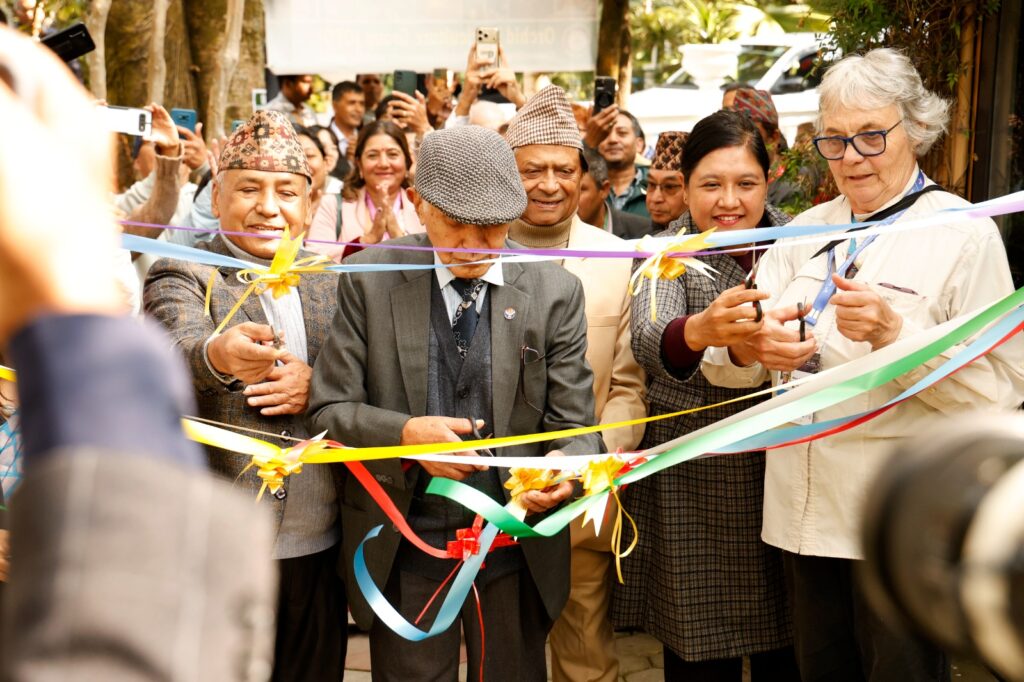
The first session, on the orchid industry, was chaired by Prof. Dr Yao-Chien Alex Chang of Taiwan, Dr Margherita Beruto of Italy and Dr Sanjeev Kumar Rai of Nepal. It was followed by the inauguration of an orchid expo and an art workshop.
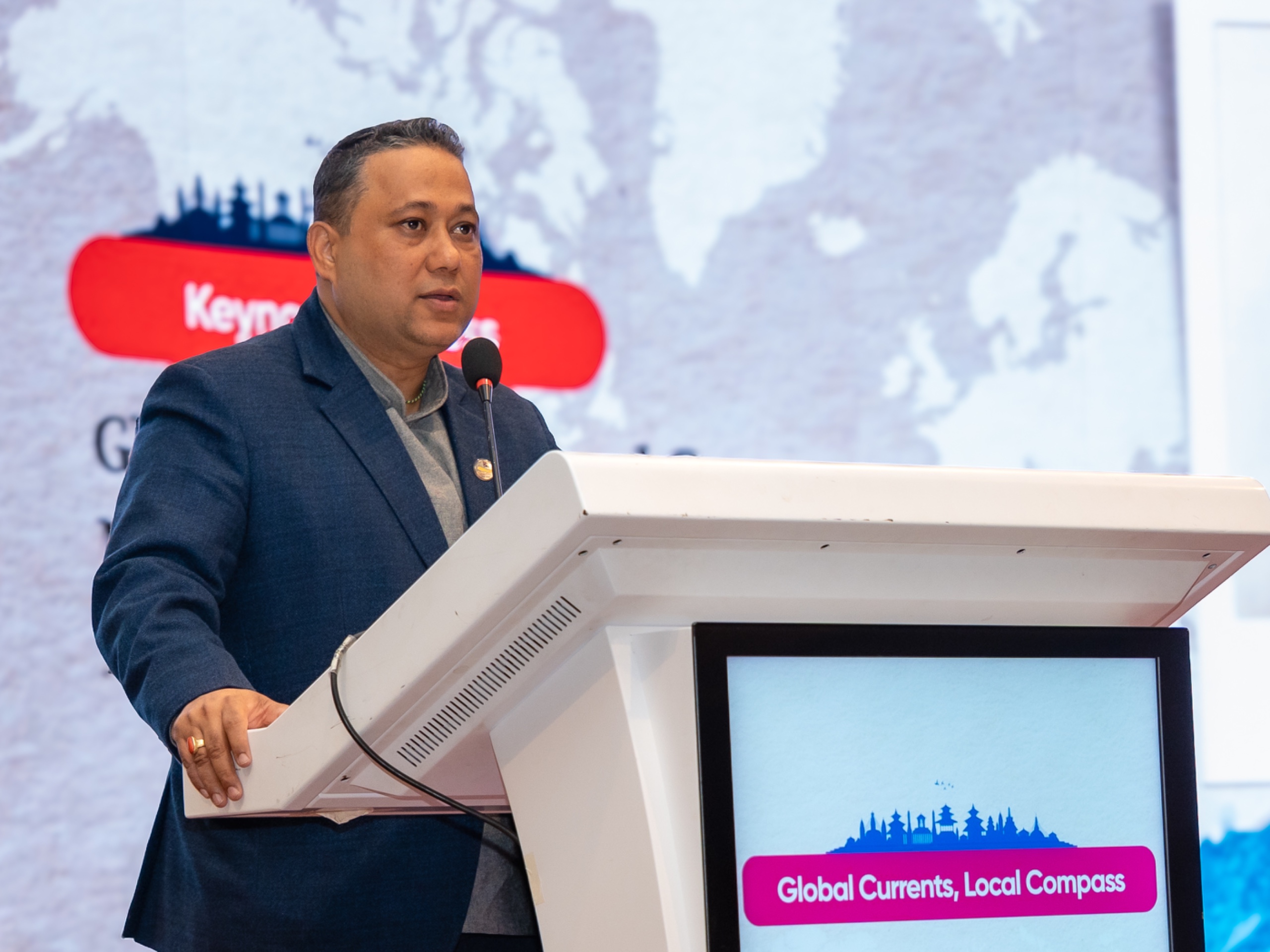
Speaking on the occasion, Mandip Shrestha, executive member and international coordinator of the Floriculture Association Nepal, said the expo was organised primarily to raise public awareness about the country’s orchid diversity and the need to protect it.
“More than 500 species of orchids are found in Nepal. People may not be aware of their value, and many are being destroyed, damaged or indiscriminately collected from their natural habitats,” he said.
Shrestha also highlighted the potential for domestic production of commercially popular orchids such as Phalaenopsis, saying that investment in high-tech greenhouses and government grant programmes could help Nepal reduce its dependence on imports.
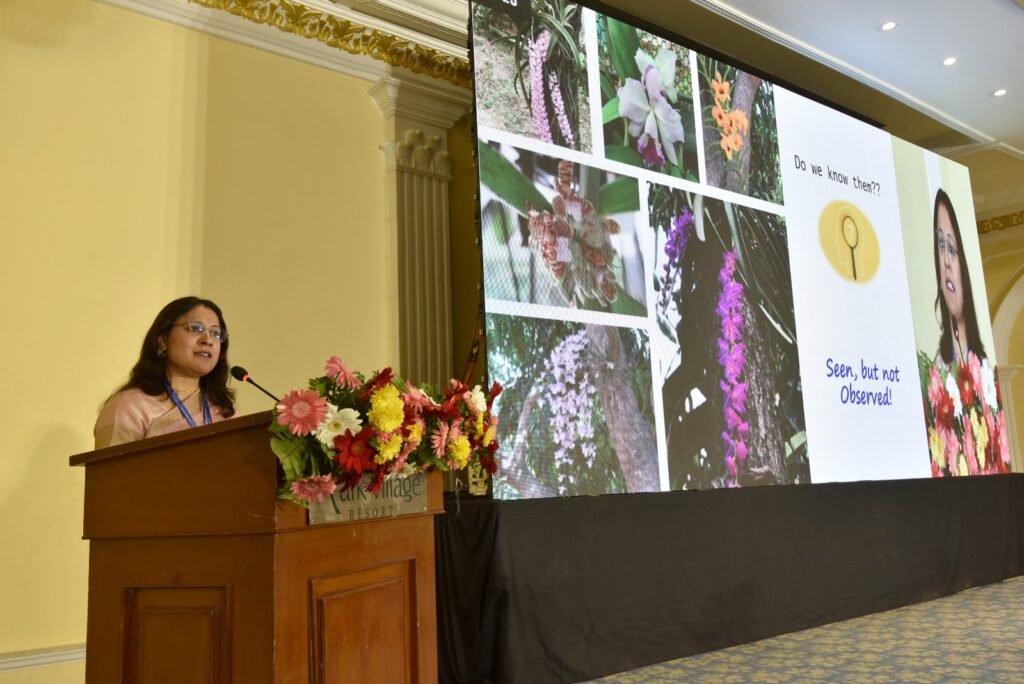
The second technical session focused on micropropagation and biotechnology. It was chaired by Prof. Dr Kanchit Thammasiri, Prof. Dr Sanu Devi Joshi and Dr Rajendra Gyawali.
Presenting a paper titled ‘Biologically Active Secondary Metabolite Production in Tissue Culture-Developed Protocorms’, Nepal’s Dr Mukti Ram Paudel highlighted the medicinal value of orchids, noting that they have long been used in traditional medicine in addition to their ornamental importance.
Paudel discussed the potential of tissue culture techniques, including seed culture and explant culture, for the mass propagation of orchids. Such methods could help reduce pressure on wild populations by providing an alternative source of planting materials.
Dr Jan Ponert of the Czech Republic presented a paper on ‘The Role of Seed Coat Permeability in the Dormancy of Orchid Seeds’, examining factors influencing orchid seed germination, including temperature, nitrates, disinfection and phytohormones.
Similarly, Prof. Dr Manu Pant of India presented research on ‘Biotechnological Interventions for Mass Propagation of Commercially Important Orchids and Livelihood Generation in the Uttarakhand State of the Indian Himalayan Region’. He highlighted how tissue culture technology can ensure a steady supply of disease-free, genetically uniform planting materials, helping expand orchid cultivation and improve its commercial viability for rural growers.
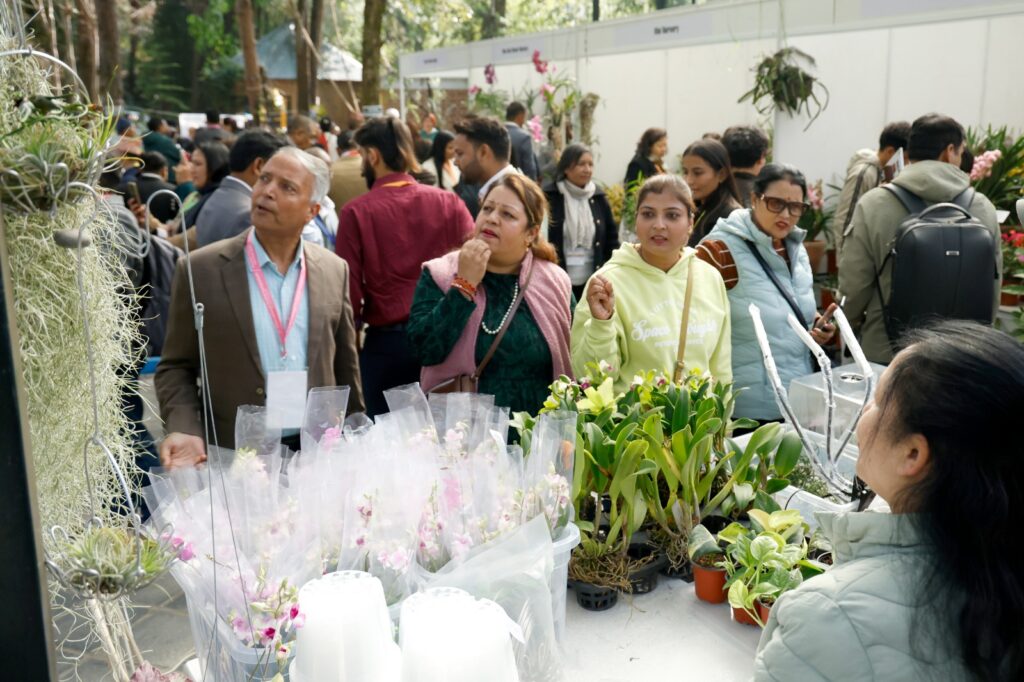
The third session, which focused on phytochemistry and pharmacology, was chaired by Prof. Dr Yuki Ogura-Tsujita of Japan, Prof. Dr Hari Datta Bhattarai of Nepal and Dr Chandra Prasad Pokharel of Nepal.
Dr Puspa Raj Joshi of Nepal presented a paper titled ‘Selective Anticancer Activity of Medicinal Orchids: A Comparative Analysis of Wild and In-vitro Derived Protocorms’. He discussed the potential of in-vitro tissue culture and protocorm propagation as alternatives to harvesting medicinal orchids from the wild.
The final presentation was delivered by Sudipa Hore, who discussed potential breast cancer targets for phytocompounds derived from the terrestrial medicinal orchid Nervilia plicata.
The symposium will continue through November 20, featuring further scientific discussions and exchanges among international orchid researchers and specialists.
The three-day event is being jointly organized by the Annapurna Research Centre, International Society for Horticultural Science (ISHS) and the Central Department of Botany under Tribhuvan University.