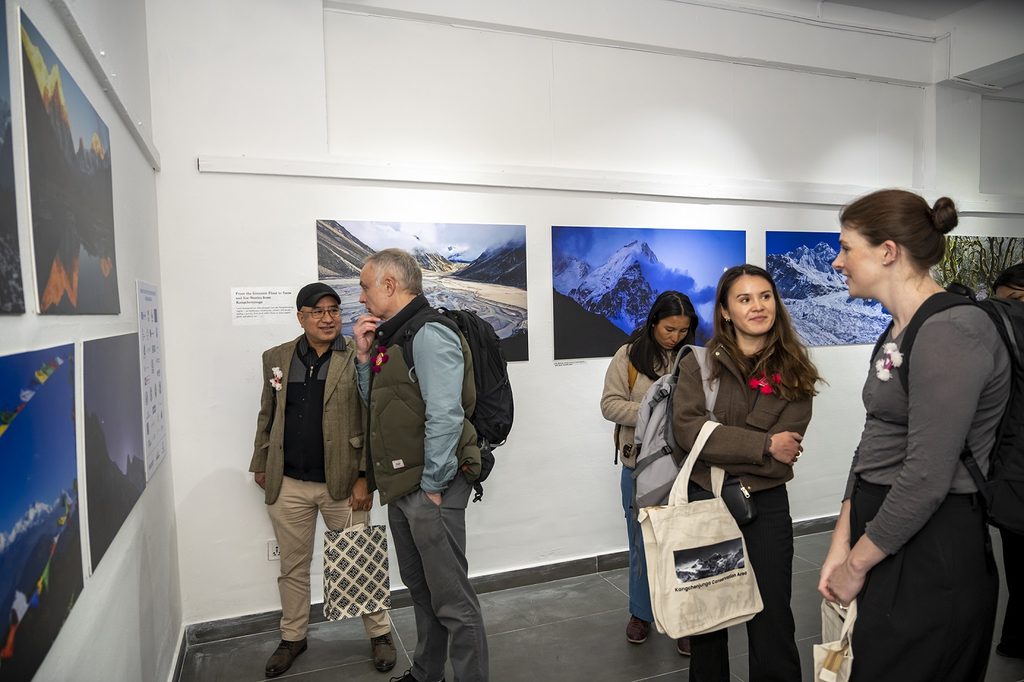
Kathmandu: Nepal’s efforts to draw international attention to the disproportionate impacts of climate change on mountain regions received a boost with the launch of a photographic exhibition showcasing the Kangchenjunga landscape and its vulnerabilities.
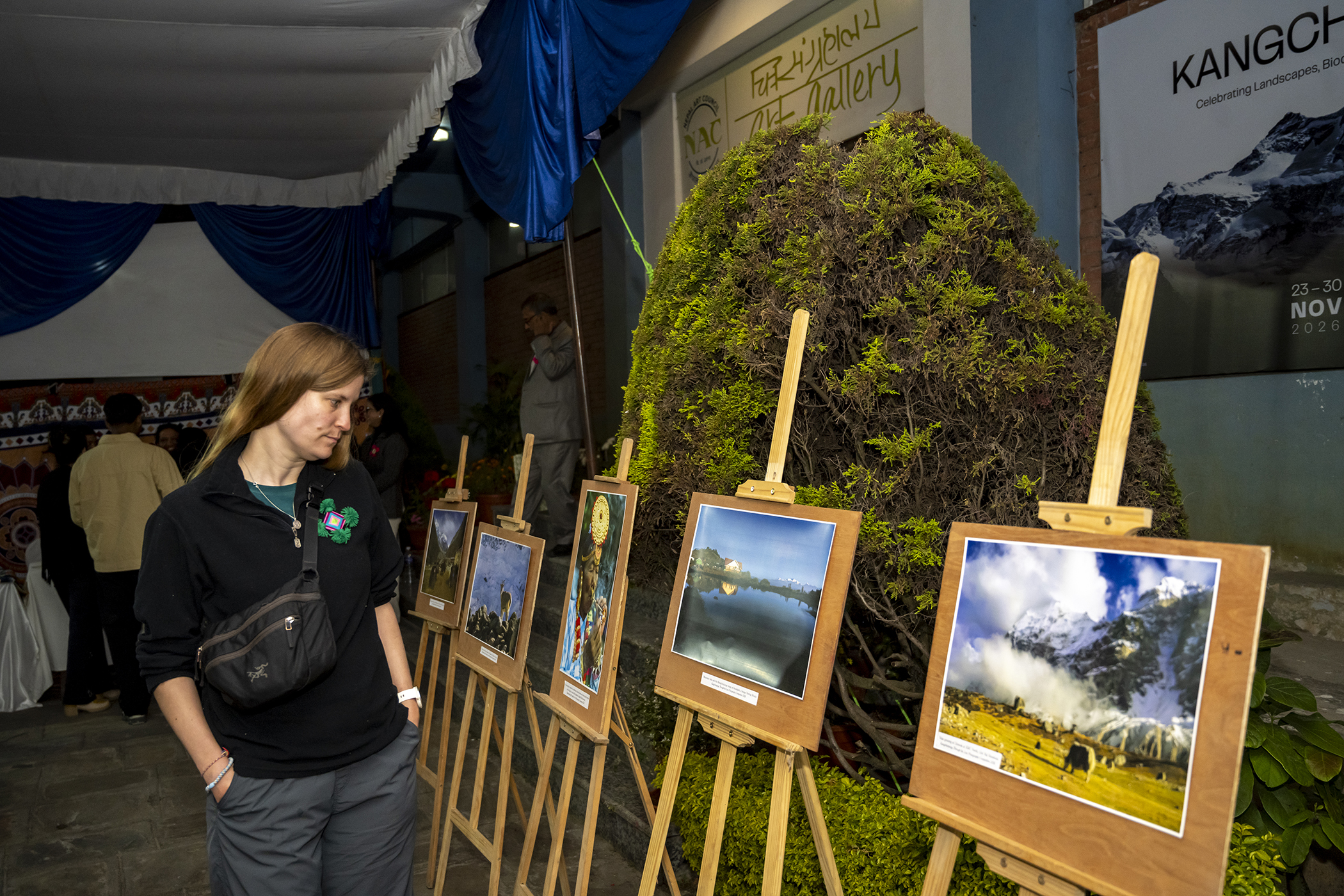
The week-long exhibition, “Kangchenjunga Through the Lens,” is being jointly organised by Samriddha Pahad and UNESCO Kathmandu at the Nepal Art Council in Babarmahal since Monday, November 23. The event combines photography, history, cultural heritage, conservation and climate advocacy to highlight both the richness of the Kangchenjunga region and the mounting challenges facing mountain ecosystems, the organisers said.
The opening ceremony brought together members of the diplomatic community, conservation leaders, development partners, photographers, artists and other distinguished guests. Speakers stressed the need for collective action to safeguard Nepal’s mountain landscapes and living heritage.
Among those addressing the event were European Union Ambassador to Nepal H.E. Charles Whiteley, British Ambassador H.E. Rob Fenn, WWF Nepal Country Representative Dr Ghana Shyam Gurung, UNESCO Representative to Nepal Jaco du Toit and Kangchenjunga Conservation Area Management Council (KCAMC) Board Member Chheten Sherpa.
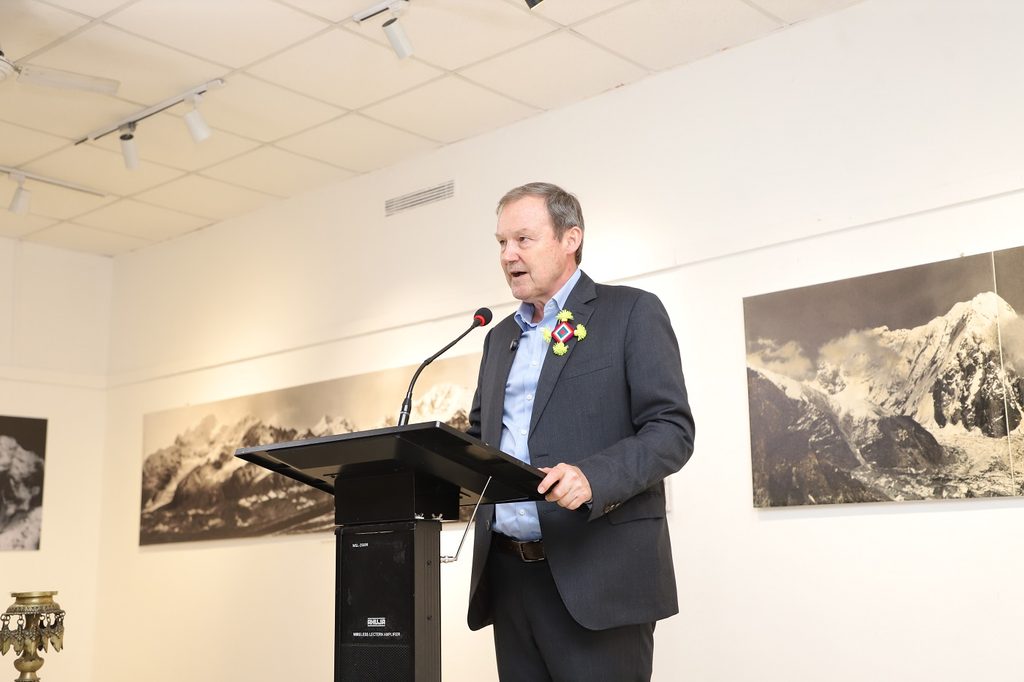
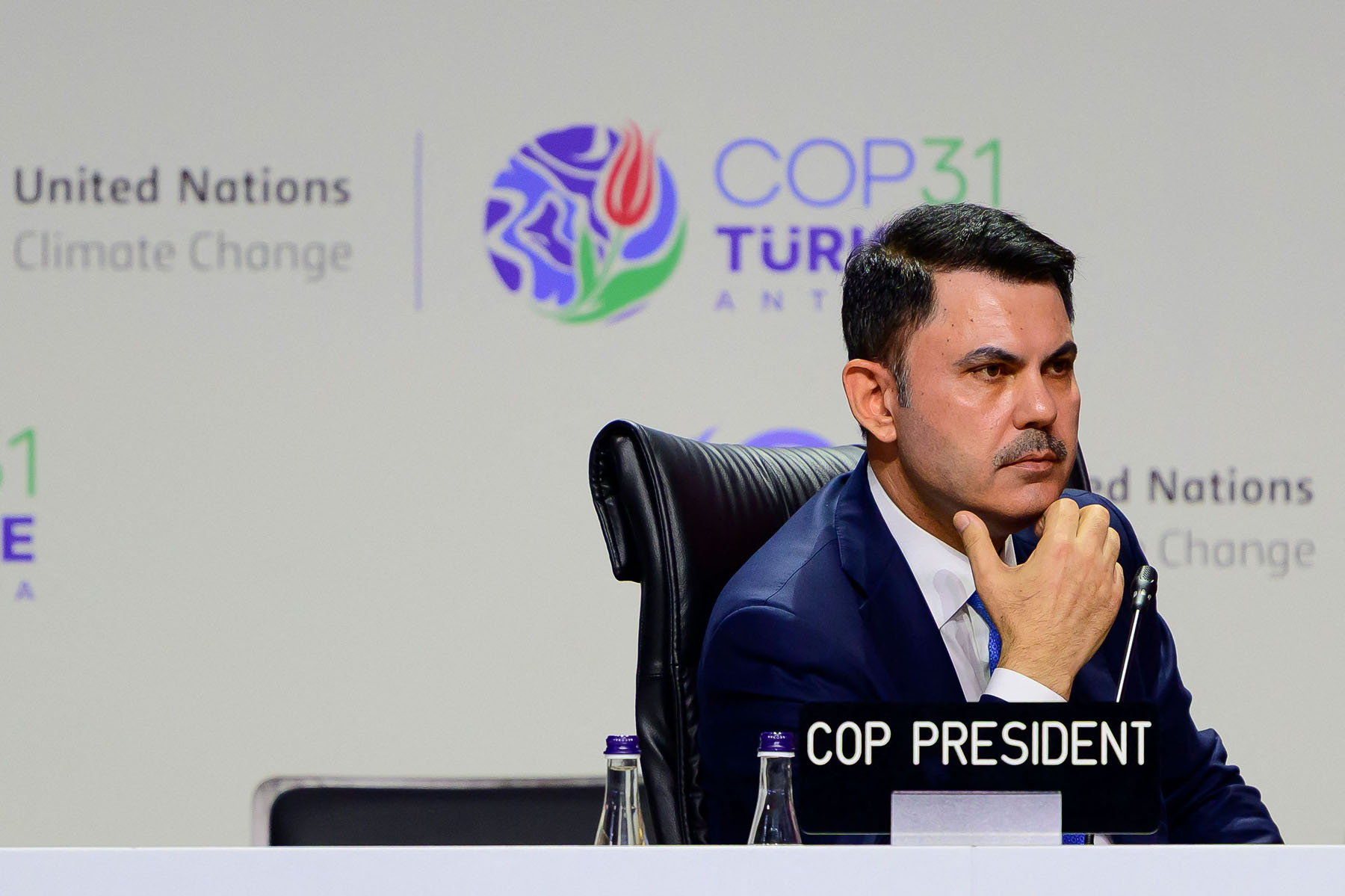
The speakers expressed support for Nepal’s mountain agenda and its priorities at COP31, while underscoring the need for greater international recognition of the disproportionate impacts of climate change on mountain ecosystems and communities. They also called for stronger representation of mountain nations in global climate negotiations.
In a special message, Minister for Agriculture, Forests and Environment Gita Chaudhary described Kangchenjunga as more than a geographical region, calling it a symbol of Nepal’s identity, natural wealth and cultural diversity. She said initiatives such as the exhibition could help promote local art, culture, faith and nature while contributing to regional development and conservation efforts.
The exhibition also highlights efforts to secure UNESCO Man and the Biosphere Programme recognition for the Kangchenjunga Conservation Area, a move organisers say could support biodiversity conservation, scientific research, sustainable livelihoods and community-led stewardship while raising the region’s international profile.
Featuring rare photographs taken by renowned Italian mountaineer and photographer Vittorio Sella during his 1899 expedition alongside works by contemporary photographers, the exhibition explores the region’s landscapes, mountaineering history, biodiversity, indigenous knowledge, cultural traditions and the impacts of climate change.
As part of the initiative, organisers also held a photography competition encouraging visual storytelling on the Kangchenjunga region. The entries were evaluated by photographers Mani Lama and Lakshmi Prasad Nghakusi.
The winners announced at the inaugural ceremony were Giri Raj Banskota, who secured first prize, Philipp Lilienthal, who won second prize, and Rupak Raj Sunuwar, who finished third.
Organisers said the exhibition aims not only to celebrate the Kangchenjunga region but also to place Nepal’s mountain ecosystems at the centre of global discussions on climate justice, conservation and sustainable development.
The exhibition will remain open to the public daily from 11am to 5 pm until November 30 at the Nepal Art Council, Babarmahal.