Kathmandu: Russian house held a one day seminar on Managing Organic Waste as part of the 2026 International Compost Awareness Week on May 5. The event was organized by the Nepal Russia Science & Technology Society with the support of the Russian House in Kathmandu, ECV Nepal, SEWA Nepal, NeSO, and media partnership with Sewal Media.
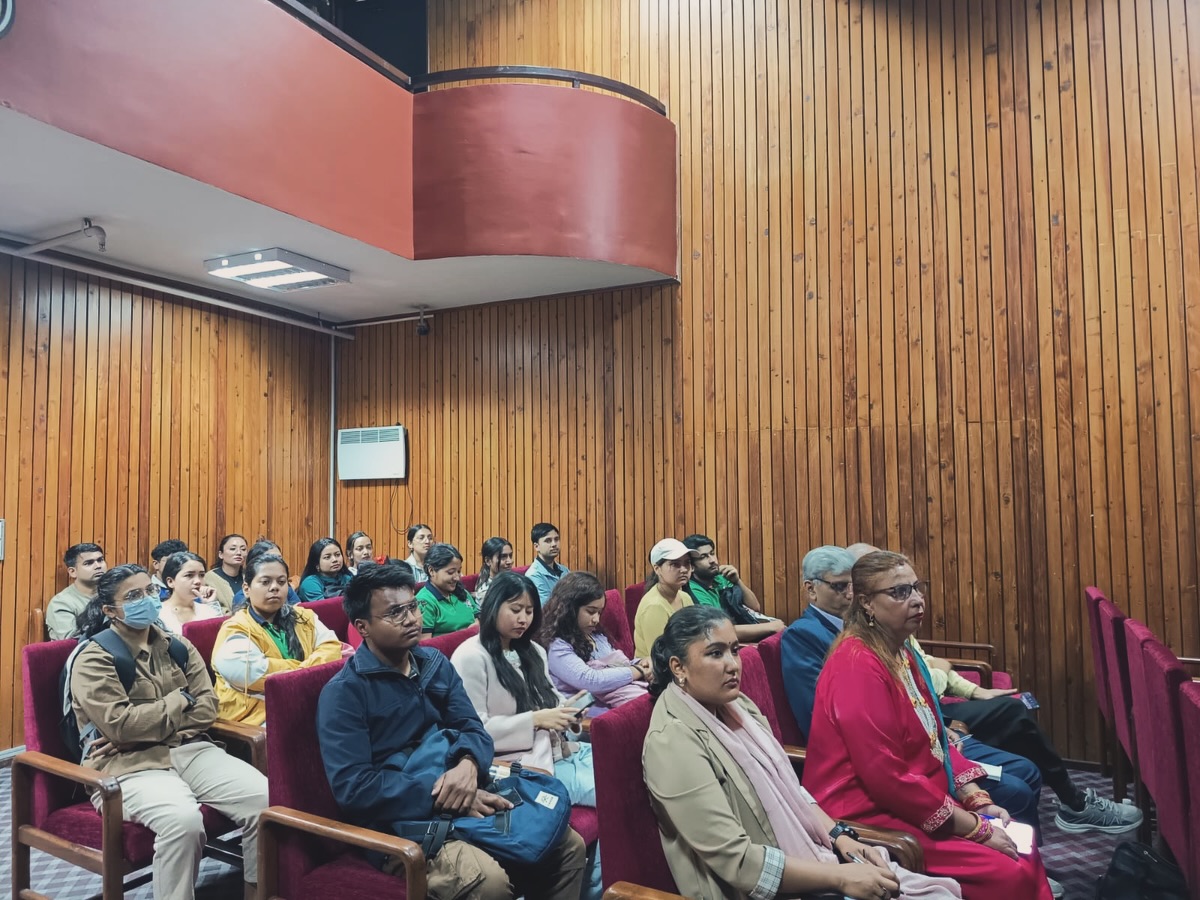
The core of the day was a practice oriented programme. Participants, including farmers, representatives of NGOs and youth, listened to the speakers, asked questions, and discussed how to treat organic waste as a resource rather than a problem.
The keynote speaker, Buland Thapa, former Director of Bir Hospital and Academician of the Nepal Academy of Science and Technology (NAST), recalled that sustainable development and the protection of nature are impossible without a scientific approach to waste management. He stressed that composting is not just “decorative ecology”, but a real tool that helps reduce pressure on landfills, conserve moisture in the soil and decrease dependence on chemical fertilizers.
Various real live video laboratories with Kishor Kumar Maharjan from Tri Chandra Multiple Campus presented vermicomposting and explained how earthworms turn food and plant waste into nutrient rich compost. Keshav Raj Kafle, former Senior Agriculturist of the Government of Nepal, spoke about dry leaf composting and showed how this practice helps dispose of seasonal waste and reduce the risk of forest fires. Rabin Malla, Executive Director of the Centre for Environment, Energy and Water, underlined that developing composting strengthens the local soil ecosystem, boosts the resilience of agriculture and enhances long term environmental security.
Then followed an interactive Q&A session which helped participants understand how to start composting on home plots, adapt the technologies to different regions of Nepal, and integrate them into schools, community centres and farms.
At the end of the programme, Anastasia Khoklova, Director of the Russian House, took the floor. In her speech, she said, “I am very pleased to welcome you to the Russian House and delighted that the Russian House hosts this very important and socially relevant event. I can see the great interest it raises among the community, both among the older generation and the youth. Therefore, I want to thank the organizers, first and foremost the Nepal Russia Science & Technology Society, as well as our partner volunteer organizations. I am especially grateful to the speakers who have gathered a huge amount of information – not only dry statistics, but very specific and important material for Nepal – on how community representatives can, under the country’s particular conditions, preserve and protect nature and resources, diversify fertilizers and make community centres, especially in rural areas, more self sufficient
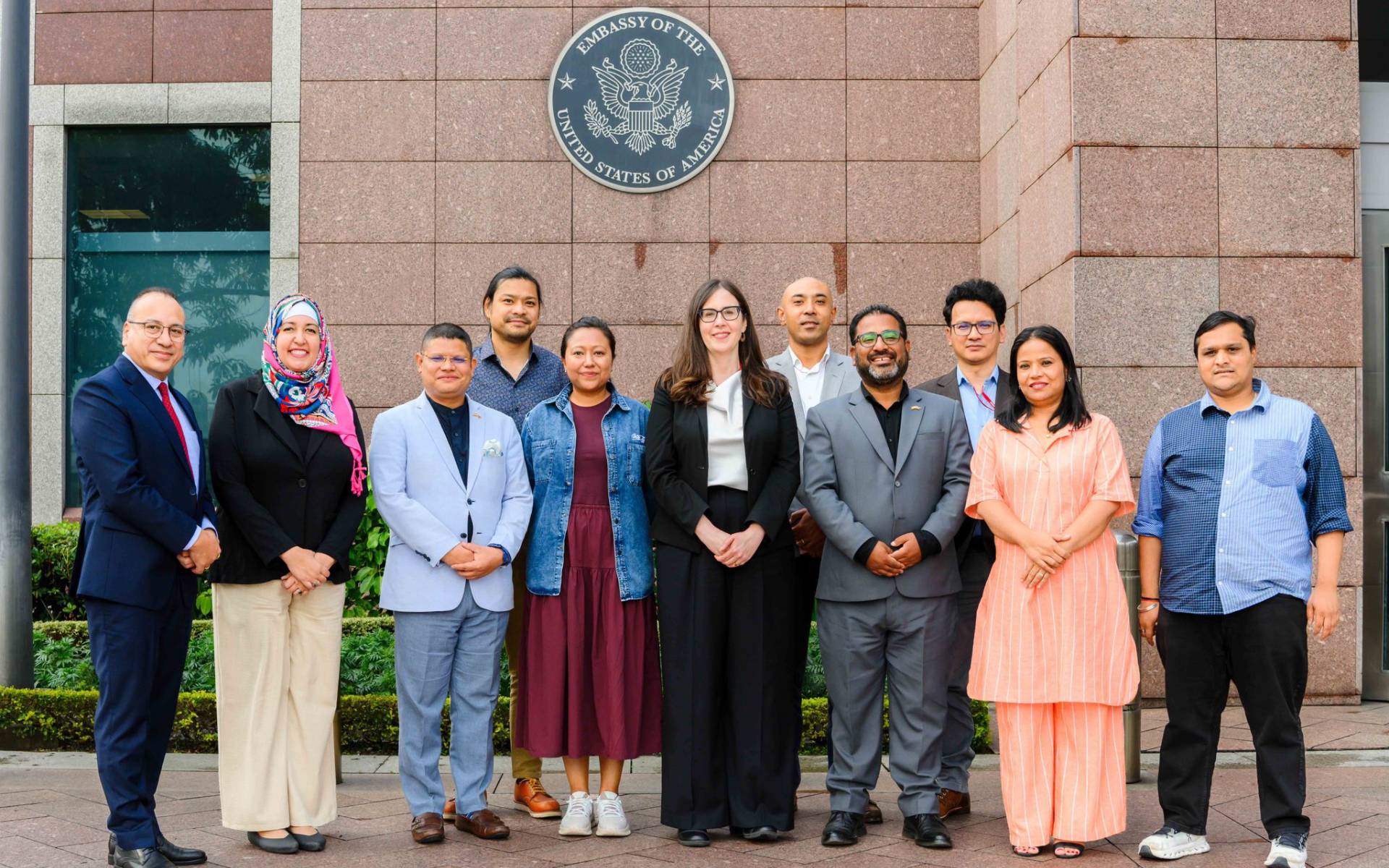
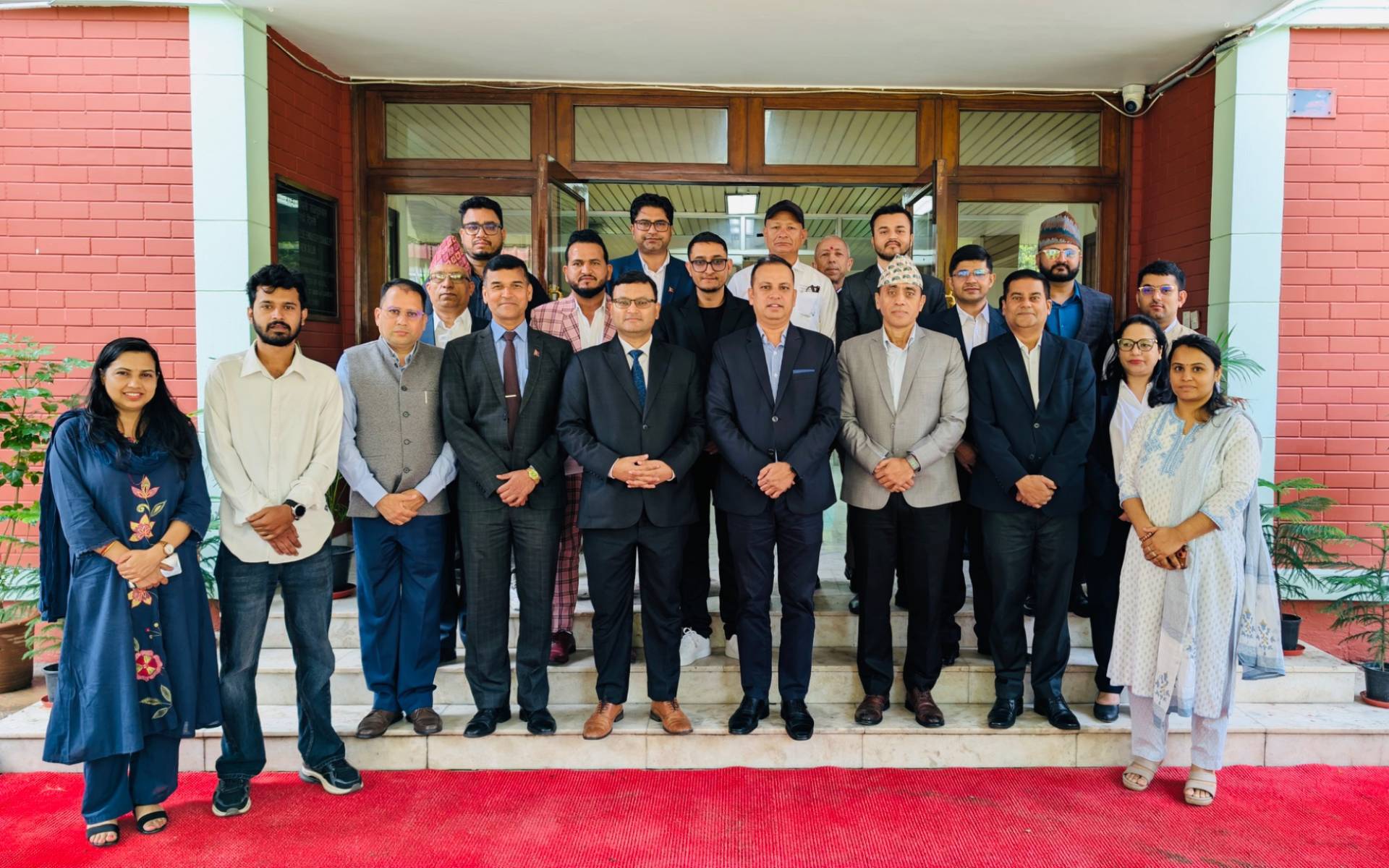
Closing remarks were delivered by Kishor Raj Bhandari on behalf of the Nepal Russia Science & Technology Society, after which the participants took a group photo, concluding a dialogue in which waste ceased to be “garbage” and became a resource, and science – a simple, yet powerful instrument for a greener future.