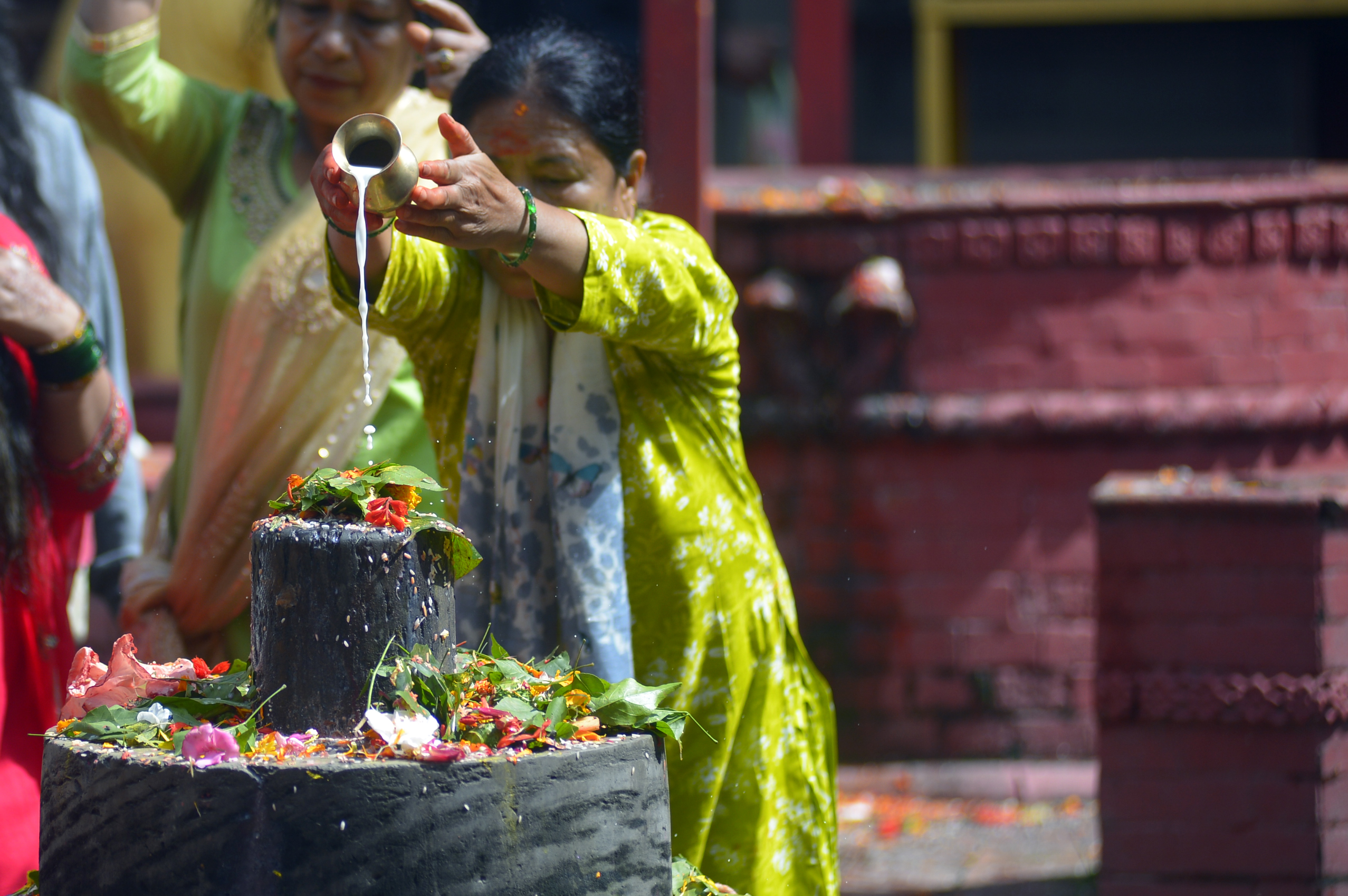
The month of Shrawan is considered sacred by the Hindu devotees. As soon as the month begins, women across Nepal follow the tradition of applying mehendi, wearing green and yellow bangles and beads, and visiting Shiva temples for worship. Mehendi is not only about decorating hands, it becomes a symbol of faith, good fortune, love, and respect for nature.
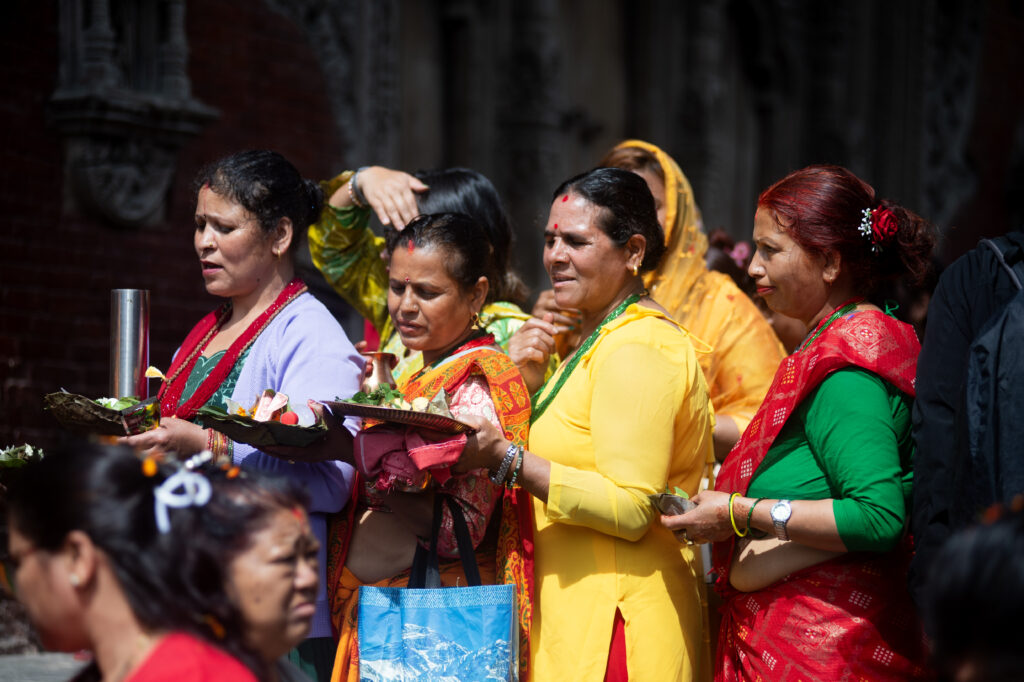
Every Monday of Shrawan, women observe fast and visit Shiva temples to offer prayers. Married women pray for the long life, good health, and prosperity of their husbands. Unmarried girls observe the fast with the belief of finding a good and ideal life partner, praying for a spouse with qualities similar to Lord Shiva. Along with this religious devotion, the tradition of applying mehendi is also closely associated.
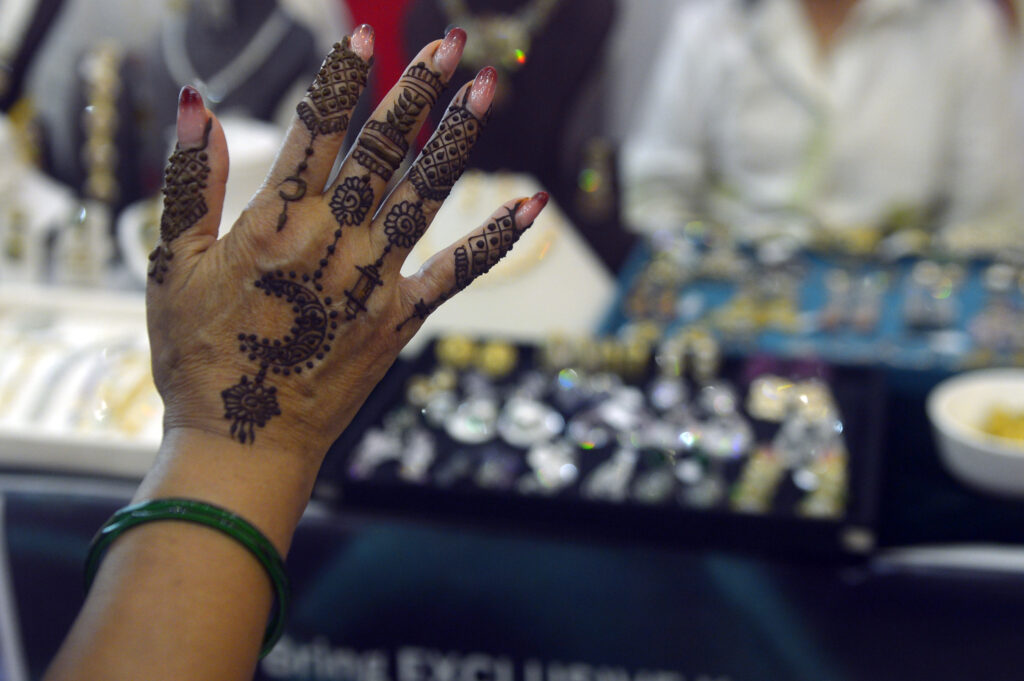
Mehendi is considered a symbol of auspiciousness. Throughout the month, women decorate their hands with beautiful patterns of mehendi. Young girls choose new and creative designs to decorate their hands.The combination of green and yellow bangles, beads, and mehendi further enhances the religious and cultural significance of the month.
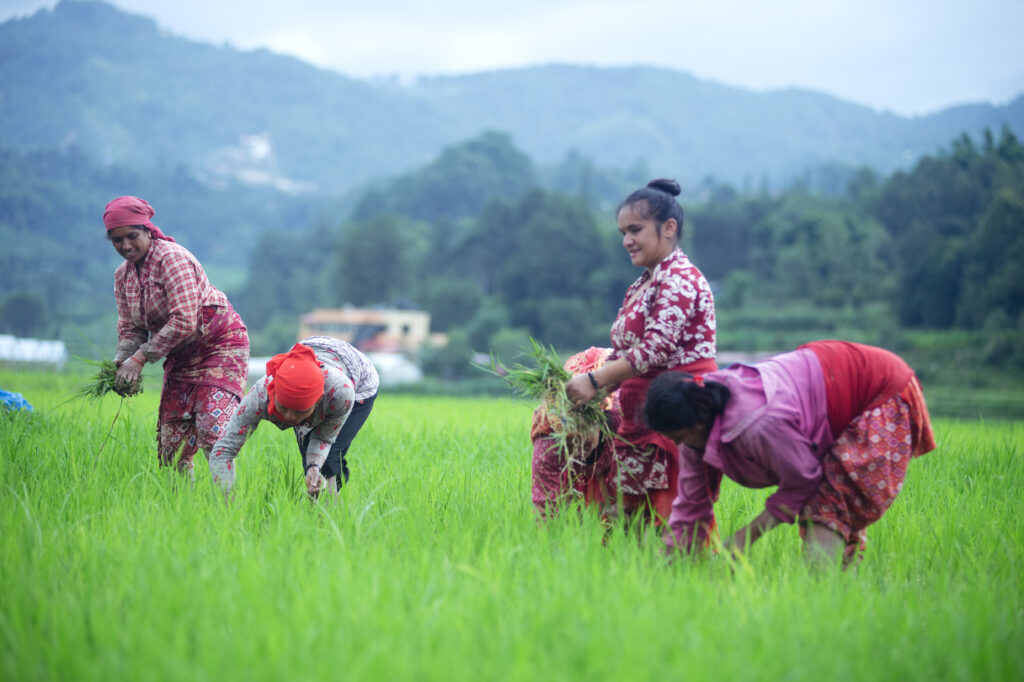
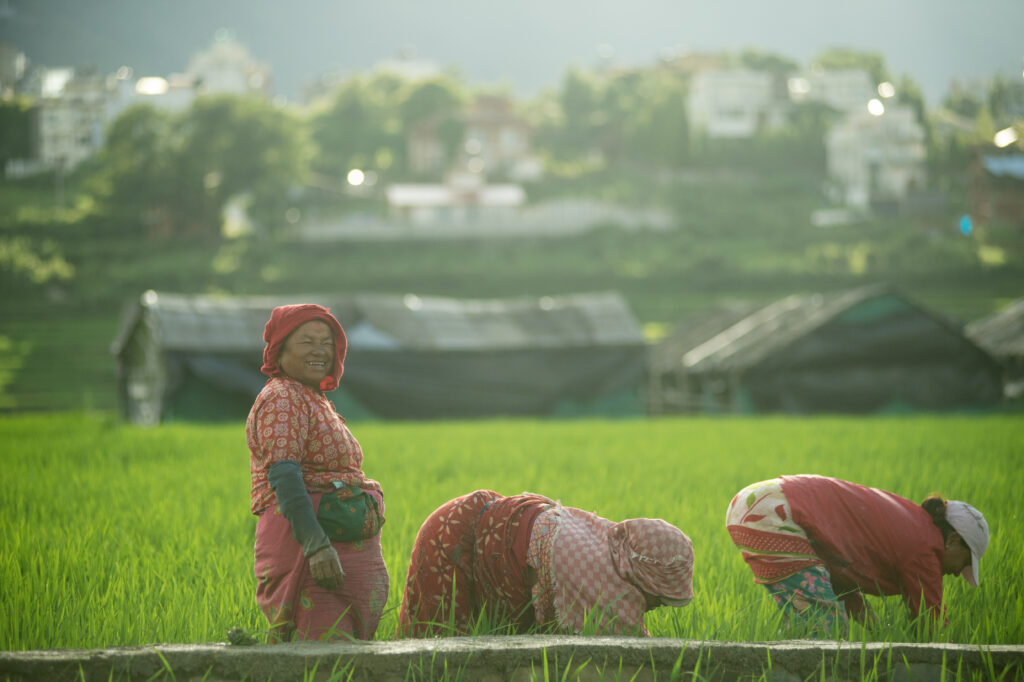
The month of Shrawan also falls in the monsoon season. With the rains, forests, hills, and farmlands turn lush green. Nature appears full of new life. The green bangles, beads, and mehendi worn by women match this greenery, reflecting respect for nature and the deep connection between humans and the environment.
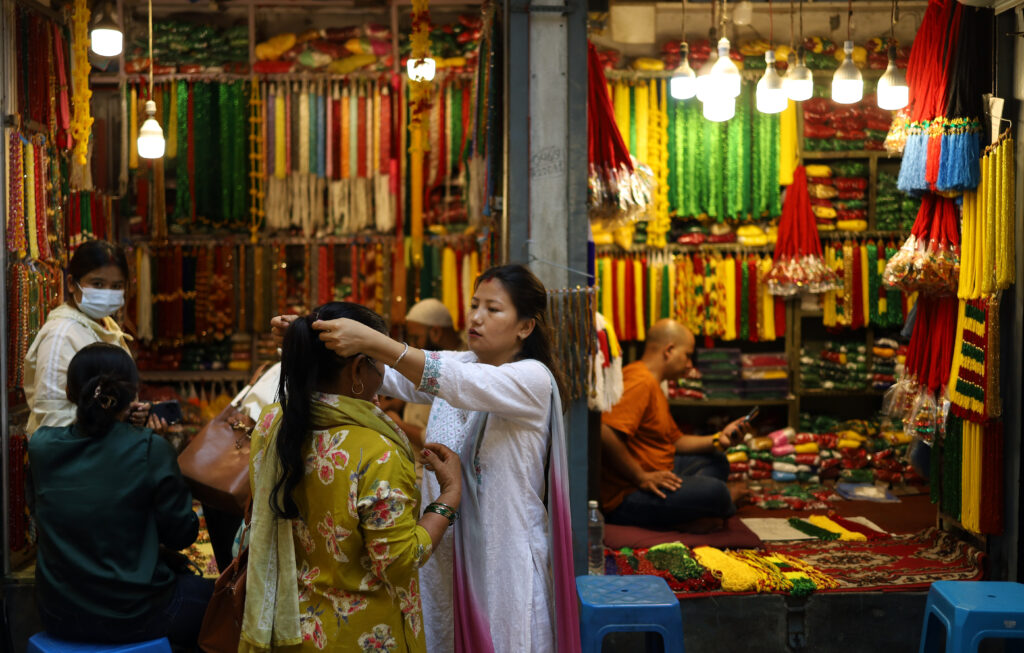
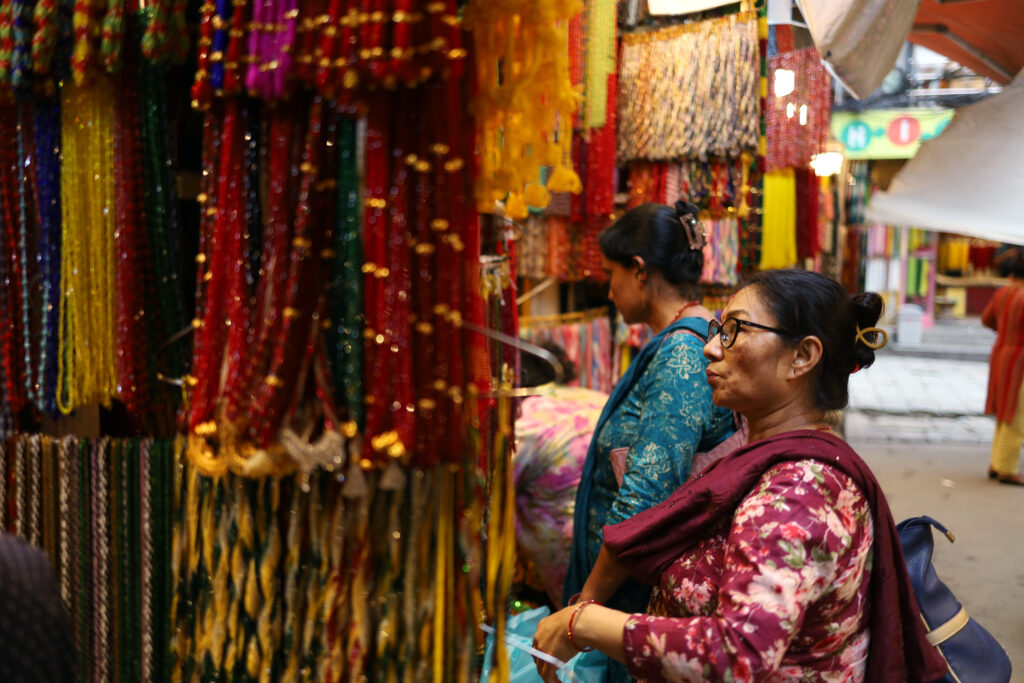
In markets like Indrachowk, Asan, and New Road in Kathmandu, crowds of people are seen buying mehendi, bangles, and beads. Mehendi artists appear busy, and shops are decorated with various designs of mehendi and cosmetic items.
The younger generation also celebrates this tradition by blending it with modern styles. Sharing mehendi photos on social media, trying new designs, and applying mehendi together with friends have become increasingly common. This has helped preserve the tradition while keeping it attractive for the new generation.
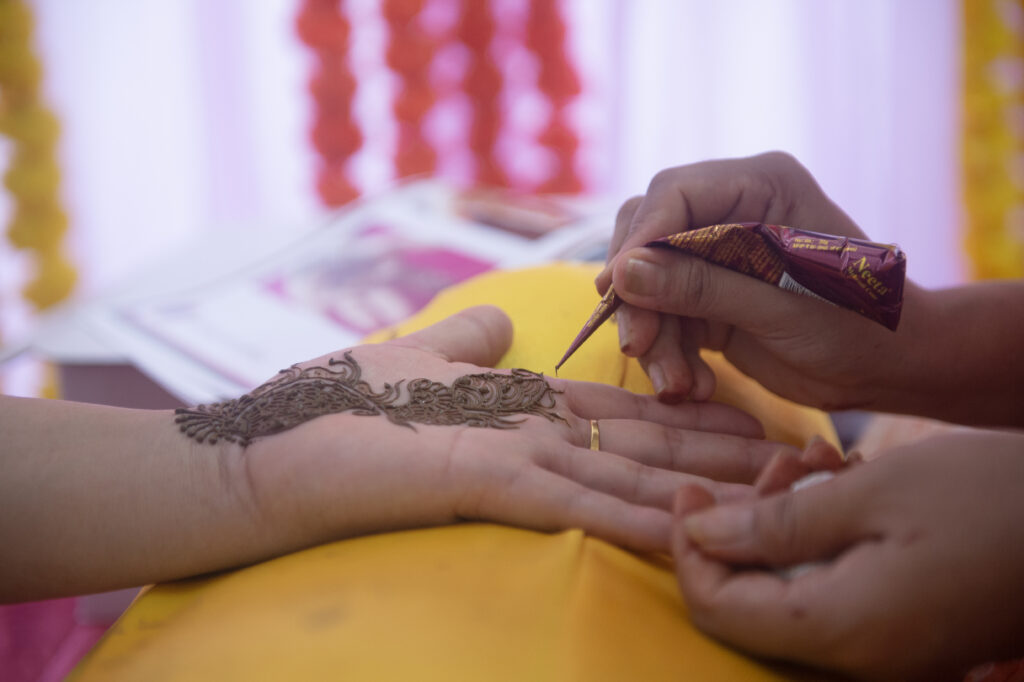
Mehendi in Shrawan manifests religious belief, family happiness, love, hope, and a close connection with nature. Every line and pattern carries a woman’s faith, blessings, and cultural identity. Thus, the mehendi decorated on hands becomes a living image of Nepali culture, religious devotion, and a beautiful tradition connected with greenery.