Kathmandu: “The Germans had no vested political interests in Nepal, they were guided by the thought that Nepal should rise and Germany should help Nepal rise.” So recounts a diplomat who represented Nepal in Berlin in the mid-1990s. “Germans like the topography of Nepal very much. If 100 Germans came to visit Nepal, at least 70 of them would say they would visit Nepal again.”
These observations by Novel Kishor Rai (recounted in the book Nepalko Kutinitik Abhyas: Rajdutharuko Anubhav (“Diplomatic Practice of Nepal: Experiences of the Diplomats”) capture the spirit of Nepal-Germany relations.
Germans wish well for Nepal. And Nepalis wish well for Germany.
German Chancellor Dr. Helmut Kohl, who visited Nepal in July, 1987, had said something similar. In a Luncheon Hosted by the Prime Minister Marich Man Singh Shrestha, he reportedly remarked: ‘The Kingdom of Nepal has always enjoyed high esteem in the Federal Republic of Germany. Every year, many of my fellow countrymen travel to your country. They are drawn by the hospitality of its people, the richness of its culture, and the beauty of its landscape.’
Even today, Germany is one of Nepal’s leading source markets, with 30,000 German tourists visiting Nepal every year, according to the latest data.
Continuity of cooperation
Nepal and Germany established their diplomatic relations on 4 April, 1958, at a time when Nepal was opening up to the rest of the world after the end of Rana rule and its presence and engagement at the global stage was being expanded.
Five years later, Germany opened its embassy in Kathmandu in 1963 and Nepal established its embassy in Germany in 1965, further solidifying a relationship characterized by goodwill, friendship, mutual understanding and cooperation.
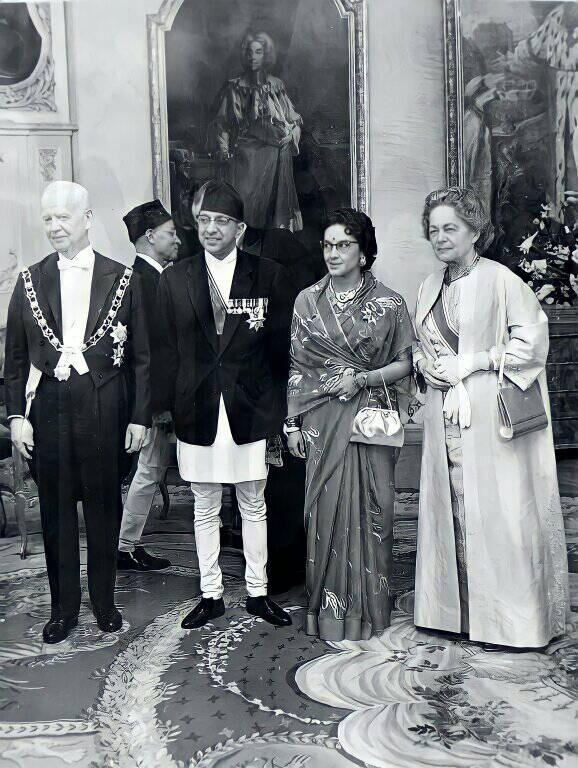
High-level visits from both sides during the 60s, 80s and 90s helped to further expand the areas of cooperation. King Mahendra’s visit to Berlin in May, 1964, which also helped to elevate Nepal’s international stature during the peak of the Cold War, was a significant moment in the relations between the two countries.
In a reciprocal high-level visit from Germany, President Heinrich Lübke came to Nepal in 1967 in a state visit. During the visit, King Mahendra and President Lübke jointly inaugurated the technical institute in Thapathali which served as a vocational training centre for a long time before it evolved into an engineering college (the Thapathali Campus of today). The institution, built with German support, stands as one of the oldest legacies of Nepal-Germany friendship.
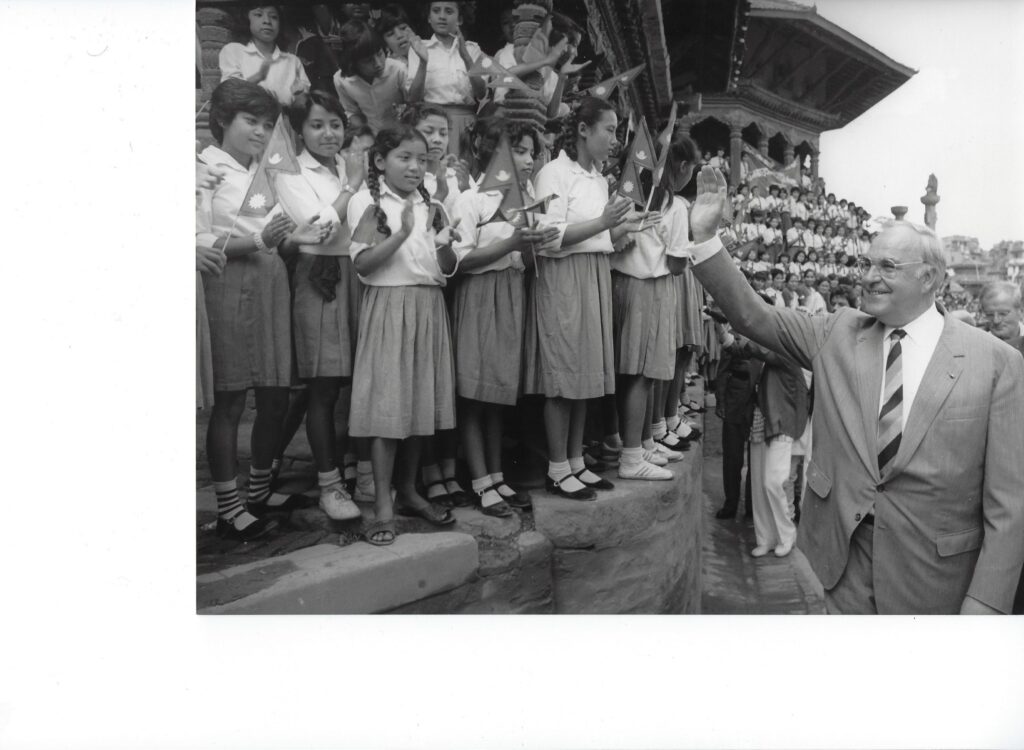
King Birendra’s visit to Germany in 1986, followed by Dr. Helmut Kohl’s visit to Nepal in 1987 and German President Roman Herzog’s six-day state visit to Nepal in 1996 were probably the highest level engagement between the two nations. King Birendra and Queen Aihwarya gave Herzog and his wife Chrstiane a ceremonial welcome at Kathmandu International Airport. Kathmandu Mayor P.L. Singh presented the president a golden key to the city at the Temple of Kasthamandap and the German couple, accompanied by the king and queen, then rode to the royal palace in a carriage past hundreds of school children waving German and Nepali flags, according to United Press International Archives.
There had been no exchanges of this level for around two and half decades.
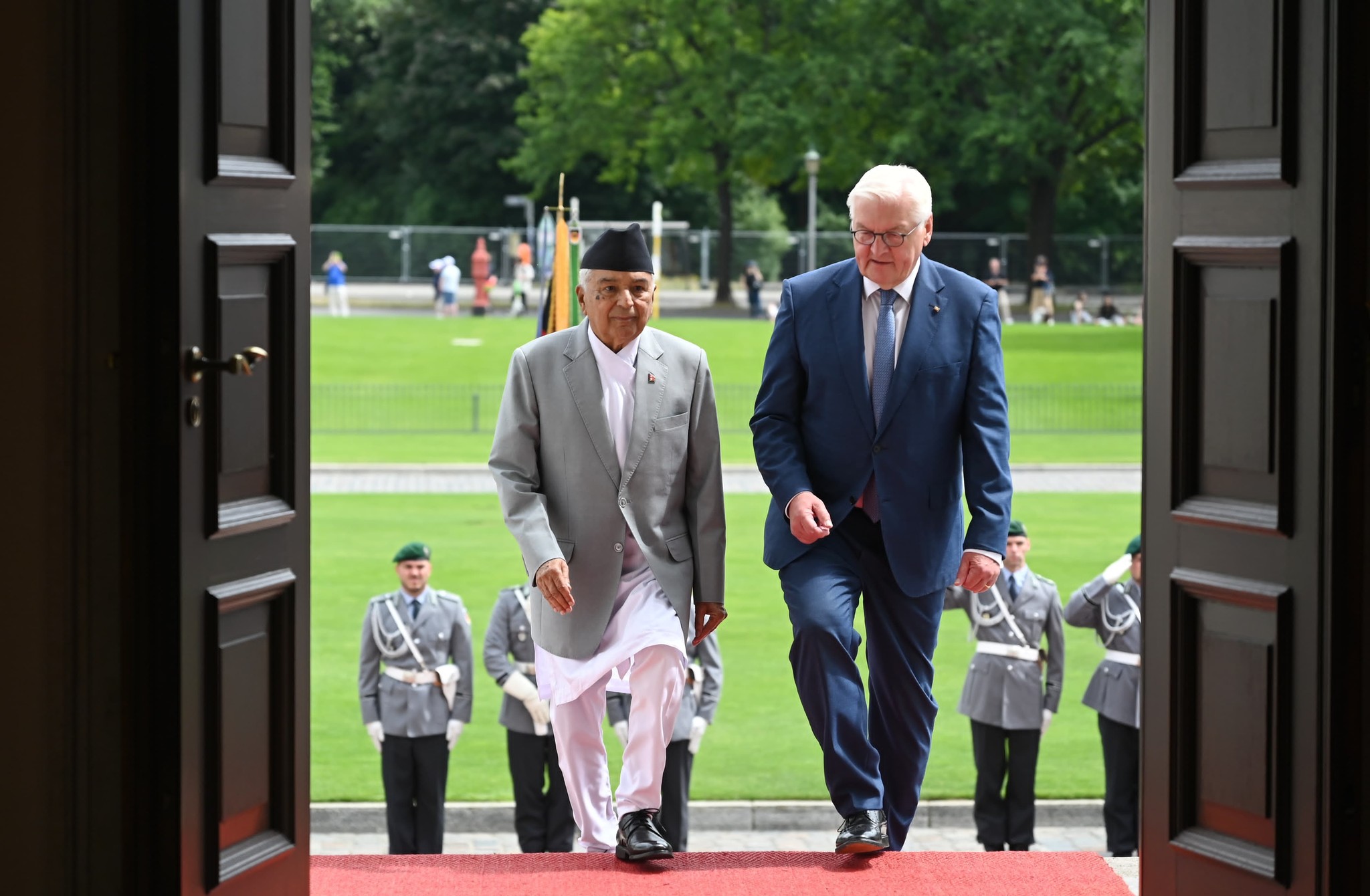
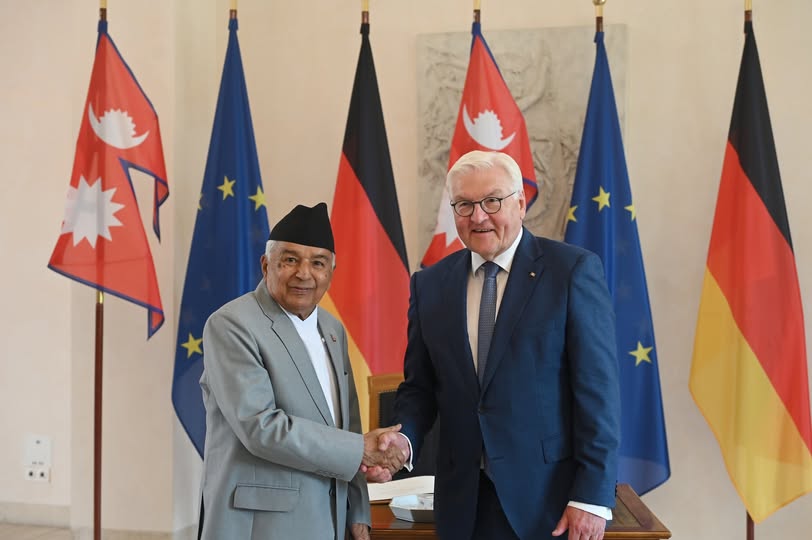
In this context, President Ramchandra Paudel’s visit to Germany in June 2024 was a milestone in further strengthening the relations between the two countries at a higher level. During the visit, Nepal president met his German counterpart Frank-Walter Steinmeier in Berlin and spoke of high priority accorded by Nepal to relations with Germany. During the visit, German President Steinmeier had pledged Germany’s readiness to provide all possible types of support for Nepal’s economic development.
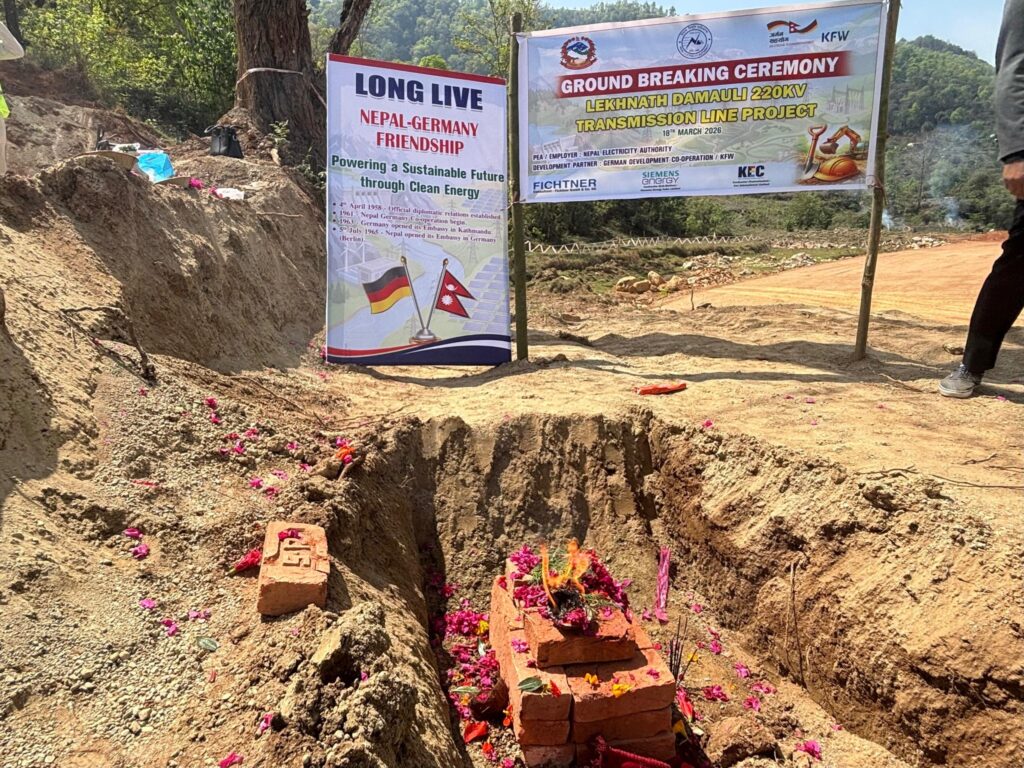
Development cooperation that began in 1961 expanded to include soft loans to Nepal Industrial Development Cooperation (NIDC) in 1964. In later years, the German support included fields such as power generation, agriculture, town development, preservation of cultural heritage, monuments and temples. The Middle Marsyangdi Hydropower Project remains another enduring symbol of German assistance to Nepal.
Drinking water project of Dhulikhel Municipality, built with German aid, Bhaktapur Durbar Square preservation project, and micro-film project of the National Archives are among other initiatives which symbolise the deep and continued cooperation between Nepal and Germany.
Instruments like bilateral agreements on encouragement and reciprocal protection of investments (1986), cultural cooperation agreement (1992), bilateral consultation mechanism (2019), agreement on the gainful occupation of the members of the families of the members of a diplomatic mission or a career consular post (2020) and joint declaration of intent (JDol) on the skilled labour migration and knowledge exchange (2023) stand to add to the pillars of Nepal-German relations on trade, investment, people- to-people contacts and exchanges, and equally important, trust and goodwill.
In 2024, Germany made commitments of 51 Million Euro to Nepal under Bilateral Cooperation which cover the three focal areas of the bilateral cooperation: Renewable energy and energy transmission, health and social protection, and sustainable economic development. In 2025, Germany has again pledged a grant assistance of 41 million Euro to Nepal to support projects in energy, sustainable economic development, and health.
The next chapter
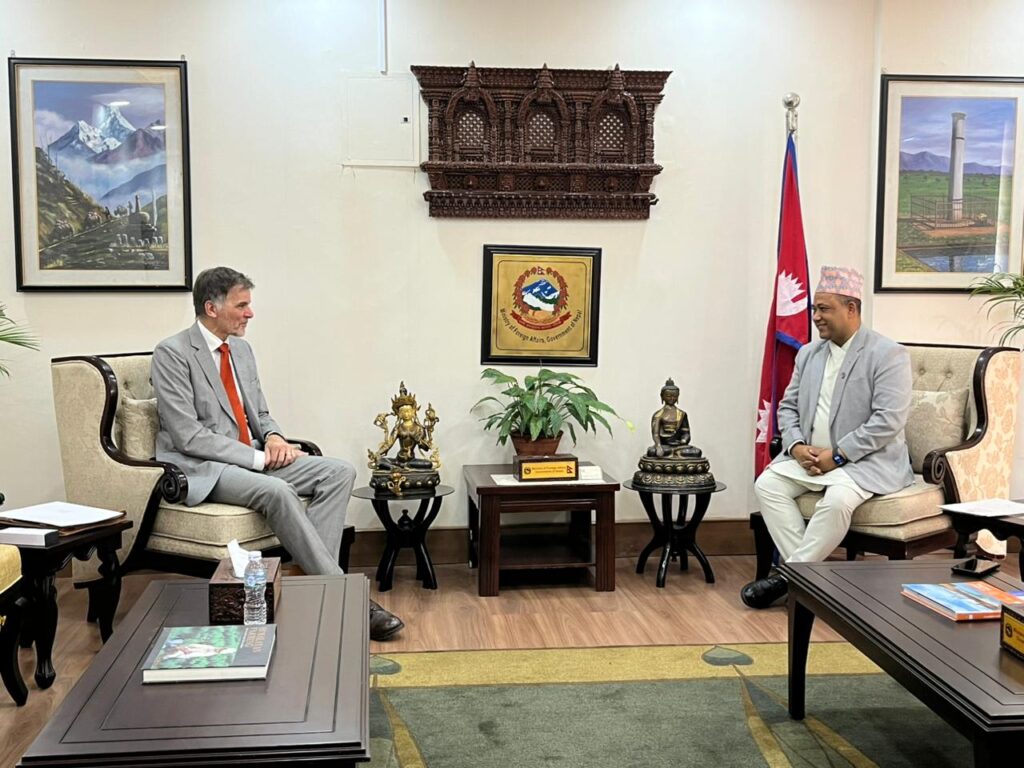
Intellectuals and members of the business fraternity say Nepal-Germany relations have always been smooth and harmonious and argue that the relations between the two countries can be much stronger and much more harmonious in the days to come.
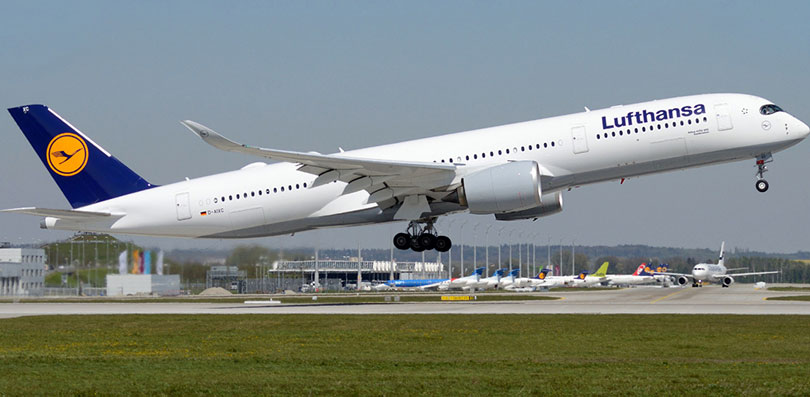
They speak of the times when Nepalis enjoyed the privilege of visa-free entry or visas on arrival in Germany until 1991 and when the Lufthansa established a direct link between the Himalayan nation and Germany.
“Germany was one of those few European countries where Nepalis enjoyed that facility,” Tika P Dhakal, the author of the book Nepal and Germany: Dynamic Relations (2005), told The Diplomat Nepal. He said that Germany has made a significant contribution in Nepal’s peace process. “Actually, Germany made significant contributions in the peace process including management of Maoist combatants and cantonment sites,” Dhakal, who also briefly served as a Commissioner to the Truth and Reconciliation Commission, mentioned. “Germany is one major country that actually helped to generate goodwill for Nepal in Europe. Nepali tea is popular in Germany and Nepali carpets used to be the most sought Nepali goods in Germany at one time.”
According to Naresh Lal Shrestha, who is the Vice President of Nepal-German Chamber of Commerce and Industry (NGCCI), Nepal-Germany trade and business engagement was smooth and thriving during the 1990s. When Lufthansa flew from Kathmandu to Frankfurt, he said, the cargo plane would be loaded with a variety of Nepali goods including carpets, sculptures and idols, silver jewelry, handicrafts and pashmina goods among others. While Nepal exported these items to Germany, it would import equipment and machinery from Germany.
Shrestha said that carpet export has fallen in recent years largely because of the high production cost in Nepal and therefore Germany imports carpets from other nations like Turkey, India and China.
According to him, those good old days of robust trade and business engagement with Germany, which is the economic powerhouse of Europe, can be revived, or can be made even better. “Nepal and Germany have very good relations. If Nepali goods are competitive enough, if we can further promote our trade in Germany, there always are better business, trade and investment prospects between Germany and Nepal,” he said. “Since there are no policy hurdles regarding business cooperation and enhanced trade relations with Germany, I see a lot of prospects.”
Tika P Dhakal opined that we should not always view the relations between the two countries in terms of grants and assistance. “There is much more to it than just financial support in relations between the two countries. It’s about goodwill, the emotional attachment many German visitors feel toward Nepal,” he said. “ We should always cherish and preserve goodwill, which is something that has not found adequate recognition. Goodwill ultimately matters in international relations.”