May 10, 2026, Sunday
२०८३ बैशाख २७ गते
Cover Story

Rewriting the Rules: Foreign Policy of Balen Government 

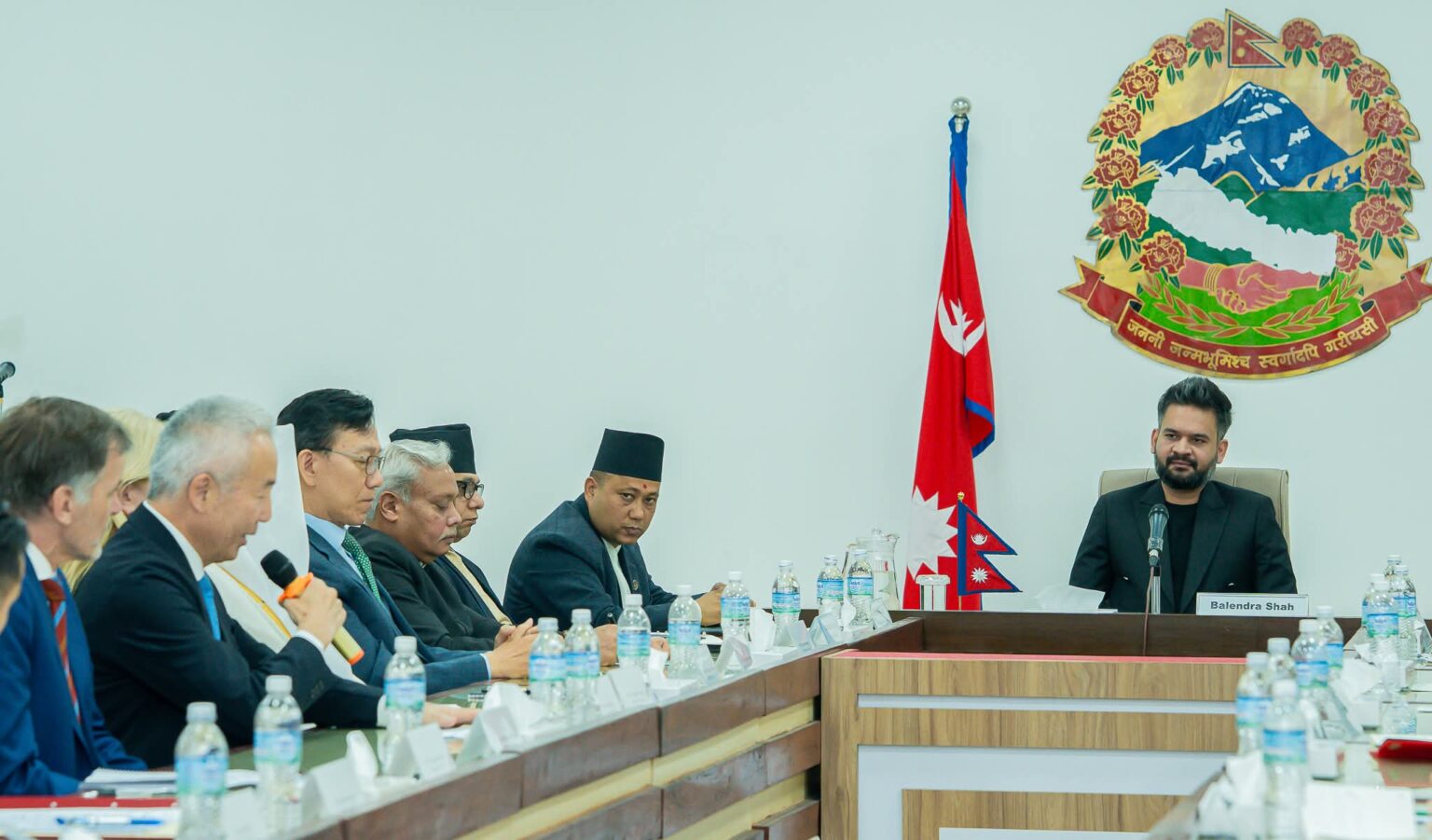
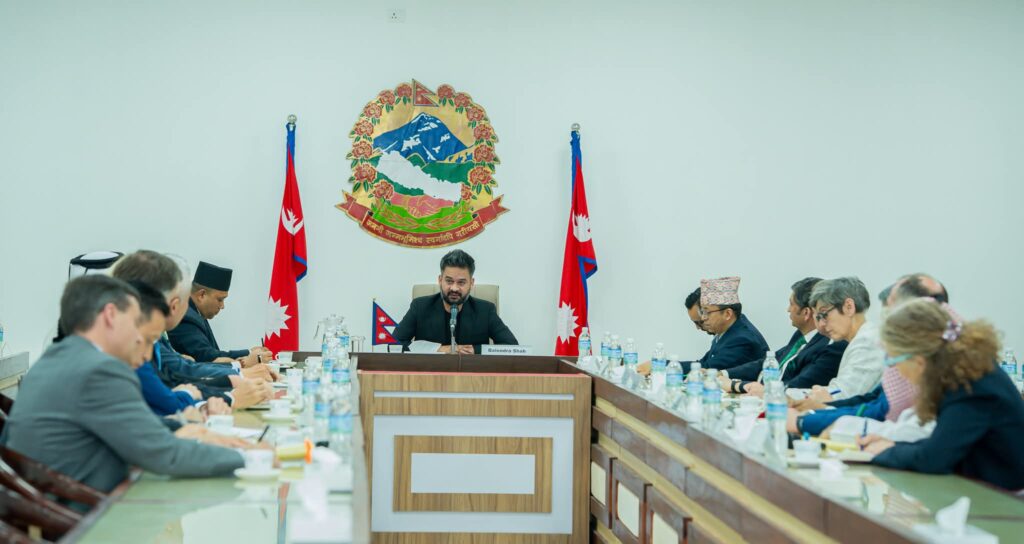
On April 8, ambassadors and heads of diplomatic missions based in Kathmandu paid a joint courtesy call on Prime Minister Balendra Shah (Balen) at his office in Singhadurbar. Ambassadors and heads of missions from India, Pakistan, the Republic of Korea, the United Kingdom, Qatar, Switzerland, France, Israel, Japan, Bangladesh, Germany, Egypt, Sri Lanka, Saudi Arabia, China, the United States of America and the United Nations were present in that joint meeting.

This was a rare, if not the first of its kind, practice in modern history for a Nepali prime minister to receive a joint courtesy call from the ambassadors and heads of mission of different countries stationed in Kathmandu. 

In the past, prime ministers having one-on-one meetings with each ambassador and head of mission in Nepal to receive congratulatory messages used to be a common practice. Prime Minister Balen Shah appears to have broken away from this tradition.
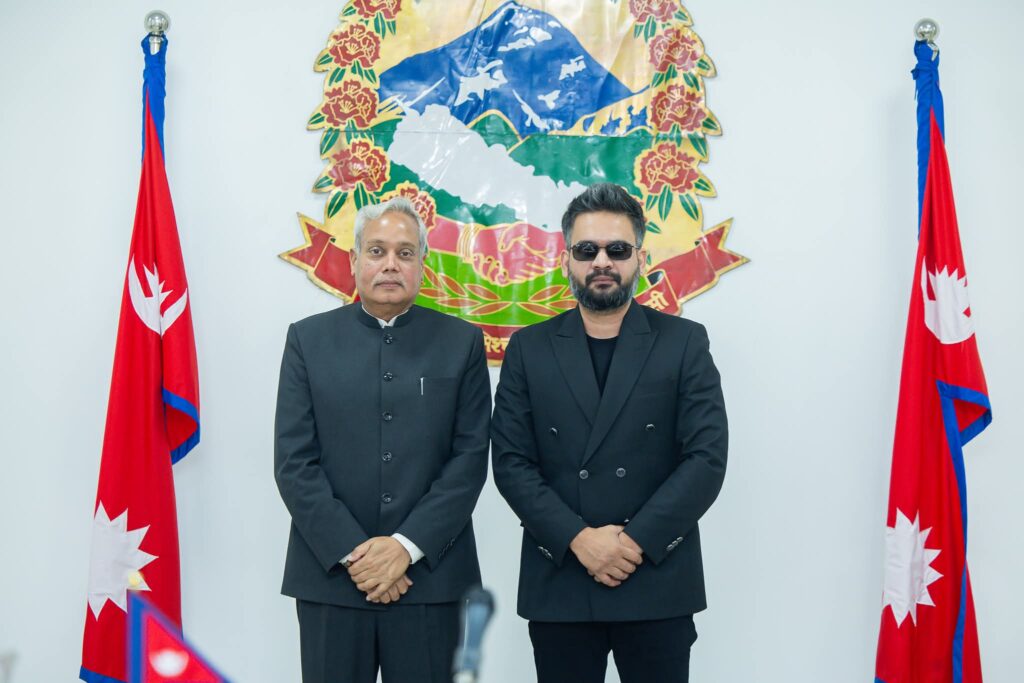
“The government seems to have adopted a new modus operandi,” says Chandra Dev Bhatta, a geopolitical analyst based in Kathmandu.”We saw some changes in the style of conducting diplomatic engagement by Prime Minister Shah. This is different from previous governments’ style,” he mentioned.  

The April 8 meeting has been interpreted to signal a new approach in Nepal’s foreign policy conduct and many expect this new practice to bring Nepal’s engagements with Kathmandu-based diplomats on the right track. In the past, Kathmandu-based diplomats used to meet the Prime Minister as and when they liked, often by bypassing the formal channel of the Ministry of Foreign Affairs. 

Modus Operandi–the Latin phrase meaning “method of operating” or “method of working” which Bhatta likes to use–seems to fit well with the way Prime Minister Shah wants to engage with international partners. He has employed a different diplomatic style at the beginning of his premiership.   

During his meeting with the ambassadors and heads of diplomatic missions in Kathmandu, Prime Minister Shah reiterated Nepal’s balanced and pragmatic foreign policy. Moreover, he highlighted the importance of deepening relations with immediate neighbours, friendly countries and development partners based on trust, mutual respect and shared prosperity. He also appreciated them for the continued goodwill and support extended for Nepal’s development efforts.
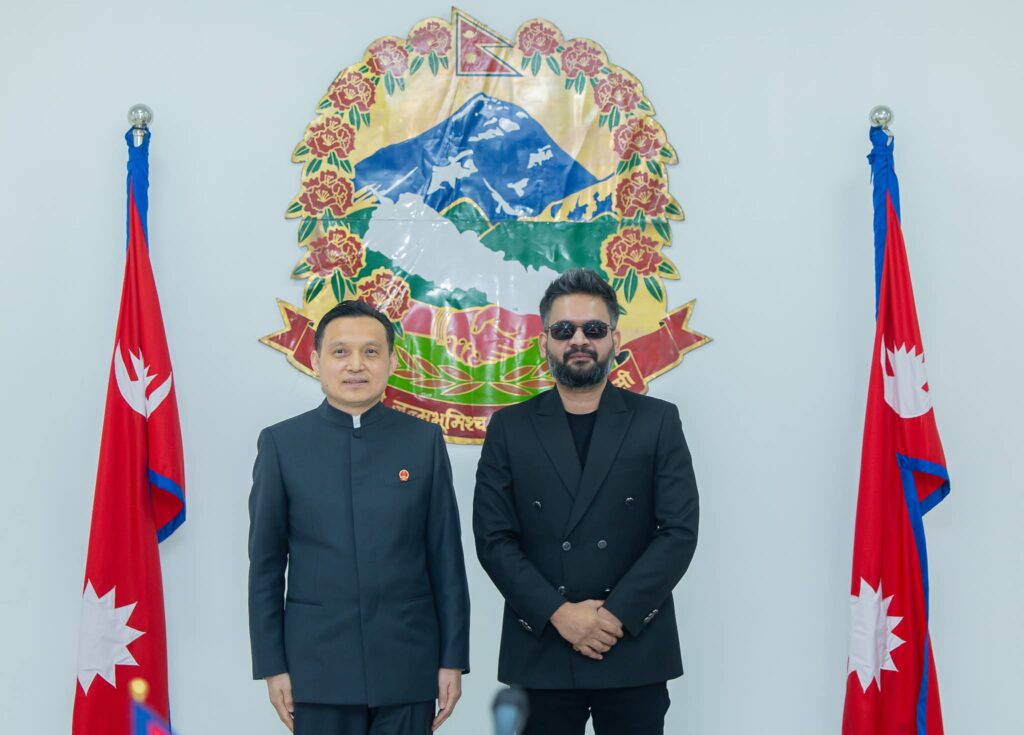
In his 12-point address to the diplomatic community, Prime Minister Shah stressed that peace must remain a shared priority. He underscored the government’s commitment to the safety, security and well-being of Nepali workers and the wider Nepali diaspora abroad. Shah further added that the government is determined to ensure good governance, accelerate economic development and improve the livelihoods of the Nepali people.

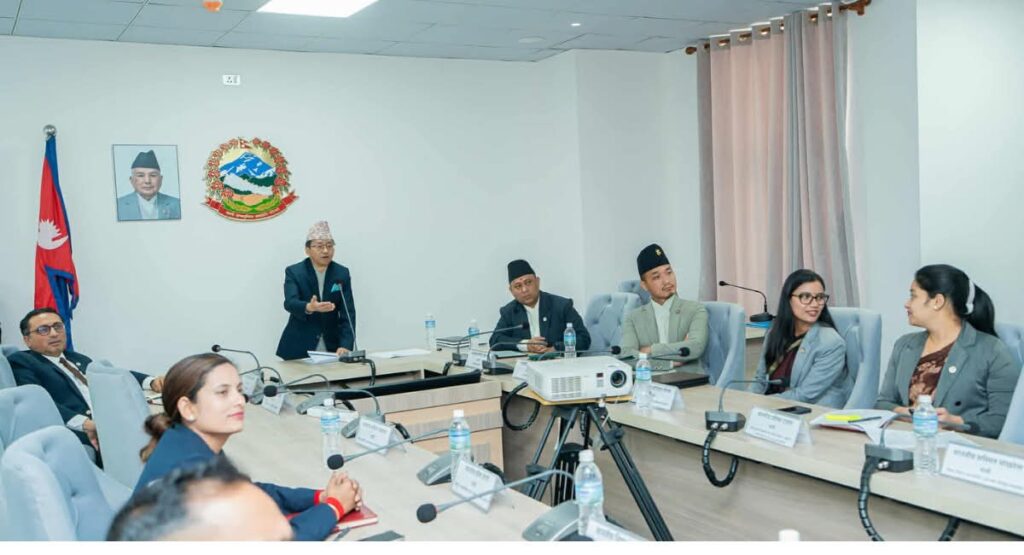
On the same day, on April 8, the Ministry of Foreign Affairs had held an orientation session for the ministers of the cabinet regarding ‘Foreign Affairs and Diplomatic Code of Conduct.’ Deepa Dahal, Prime Minister Shah’s press and research expert, informed that Foreign Secretary Amrit Bahadur Rai had made the presentation in the event held at the Office of the Prime Minister and Council of Ministers.

Secretary Rai’s presentation was focused on the international environment, Nepal’s international relations, promotion of national interests, and Nepal’s overall foreign policy. He gave a detailed orientation about the methods, limitations and diplomatic dignity to be adopted while engaging with global actors and conducting Nepal’s foreign policy. He emphasized the technical aspects of Nepal’s foreign policy priorities, balance of relations and diplomatic ethics. In addition, the presentation also covered aspects related to general etiquette to be observed during meetings with foreign officials and the mandatory adherence to the diplomatic code of conduct.
Experts describe the joint meeting with foreign envoys as a procedural shift. Dr. Monalisa Adhikari, Senior Lecturer in International Politics at the University of Stirling in Stirling, United Kingdom, commented: “While the general direction of foreign policy has remained constant after the new government came to power, instances like a joint courtesy call with all heads of diplomatic missions mark a procedural shift.”  According to her, this step is fairly significant given Nepal’s history of heads of governments giving contradictory assurances and messages to different members of the international community, whether on infrastructure projects associated with Belt and Road Initiative (BRI) and Millenium Corporation Challenge (MCC) or on issues related to secularism. “Such a shift is a key in paving the way for consistency in foreign policy messaging and ensuring greater transparency both to the members of the public as well as the international community,” she said. 
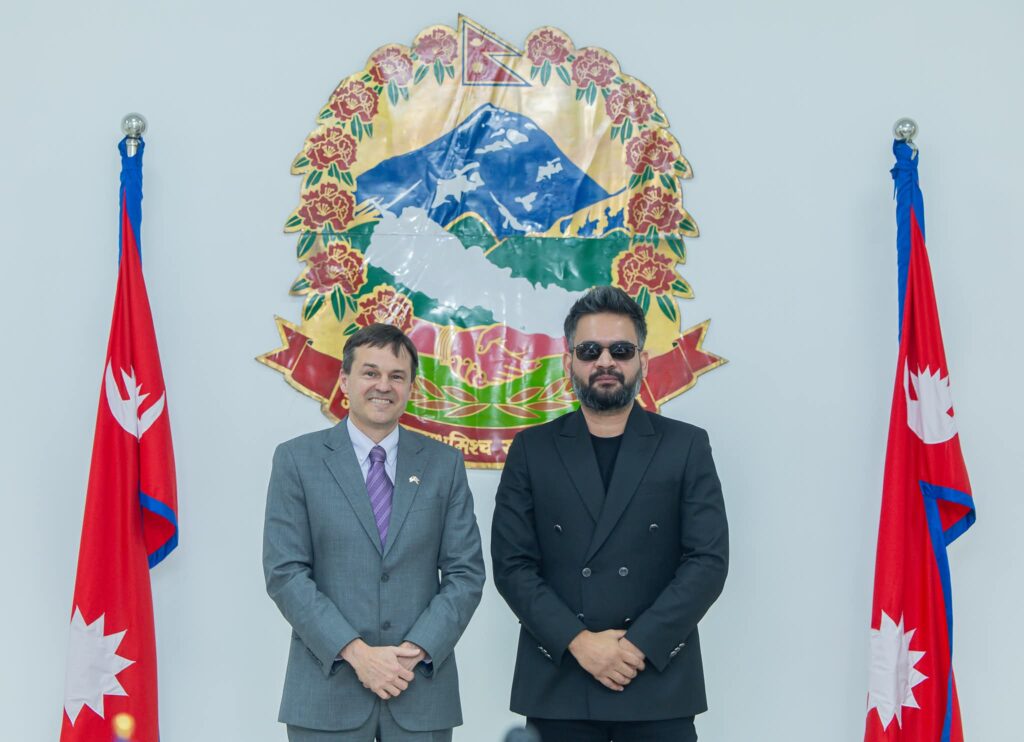
On April 14, the government unveiled a draft of the “National Commitment” document prepared by incorporating policies enshrined in the election manifestos of six political parties who were able to retain national party recognition in the March 5 elections. The government’s previously announced 100-point action plan had included a provision to formulate and implement such a document by incorporating key agendas outlined in the manifestos of major political parties. The government also called the political parties and public to provide their feedback on the draft document. 

The 18-point National Commitment paper, again a first of its kind practice in Nepal, sheds light on the government’s international relations, diplomacy and foreign affairs. “While placing Nepal’s sovereignty, territorial integrity and national interest at the forefront, a balanced and dynamic diplomacy will be pursued to transform the changing global geopolitics and the rise of neighbouring powers into opportunities for Nepal’s development,” says the Commitment paper. “A scientific performance audit system will be introduced to measure the performance and effectiveness of Nepal’s diplomatic missions.” 
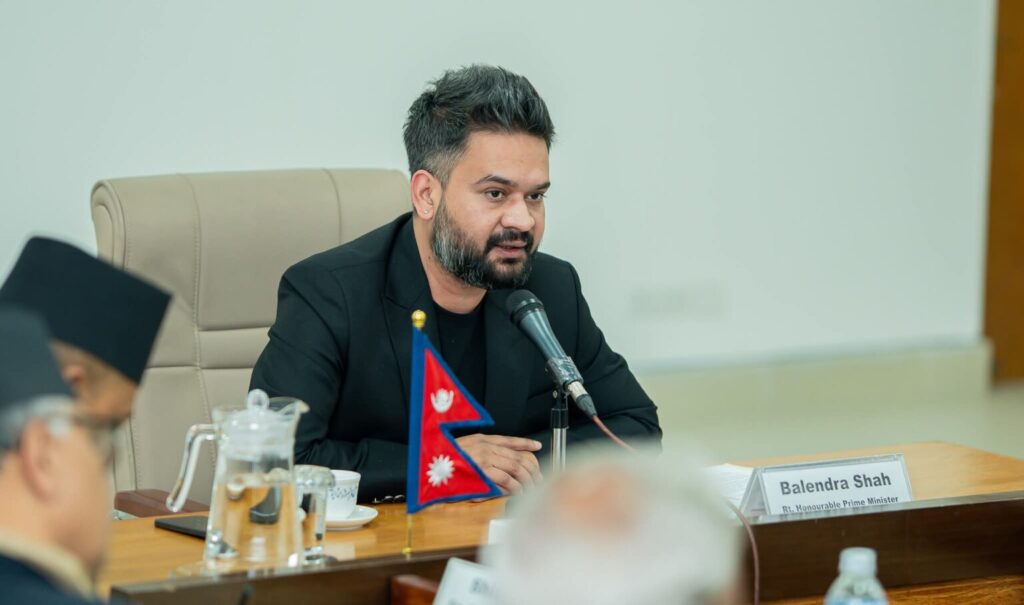
The document also aims to transform Nepal from a “buffer state” into a “vibrant bridge” while upholding Nepal’s sovereignty and national interest and to uphold national interest through trilateral economic partnerships and connectivity. Nepal will be established in the international arena as an independent, neutral, peace-oriented and non-aligned country, the document mentioned.
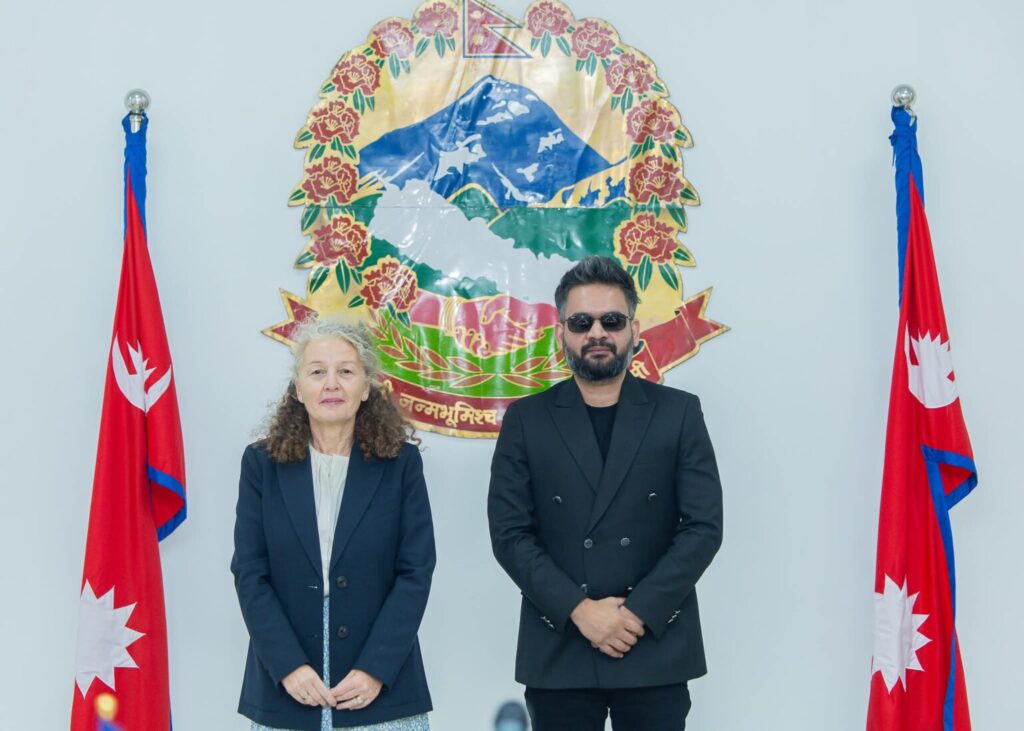
Stating that military alliances, arms races and wars obstruct peace, the commitment paper envisions adopting  a policy of maintaining equal distance and balanced proximity with all. The document says the idea of “Nepal First: Nepali First” will be at the core of all diplomacy. “Economic diplomacy will be promoted, and programmes such as the Sagarmatha Dialogue will be given continuity,” reads the document. “Nepal’s voice will be strongly raised in international forums on climate change, protection of the Himalayas, mountain issues, and the shared interests of landlocked countries. Coordination with the international community will be strengthened to protect the rights, interests, security and social protection of Nepali workers in foreign employment.” 

The national commitment paper also marks a shift to how the government wants to seek and maintain global engagement. Foreign affairs expert and former lawmaker Dr. Deepak Prakash Bhatta acknowledged that people have seen a few changes in how diplomacy is being conducted by the current government. But he argues that it all depends on how this policy will be implemented in practice. “Diplomatic conduct has changed but you cannot only rely on statements and gestures,” he said. “It will be more important during the implementation process because the key question is whether we have the capacity to implement it in the future.” “For now, we see some changes but we need to observe them in the future as well,” he concluded.
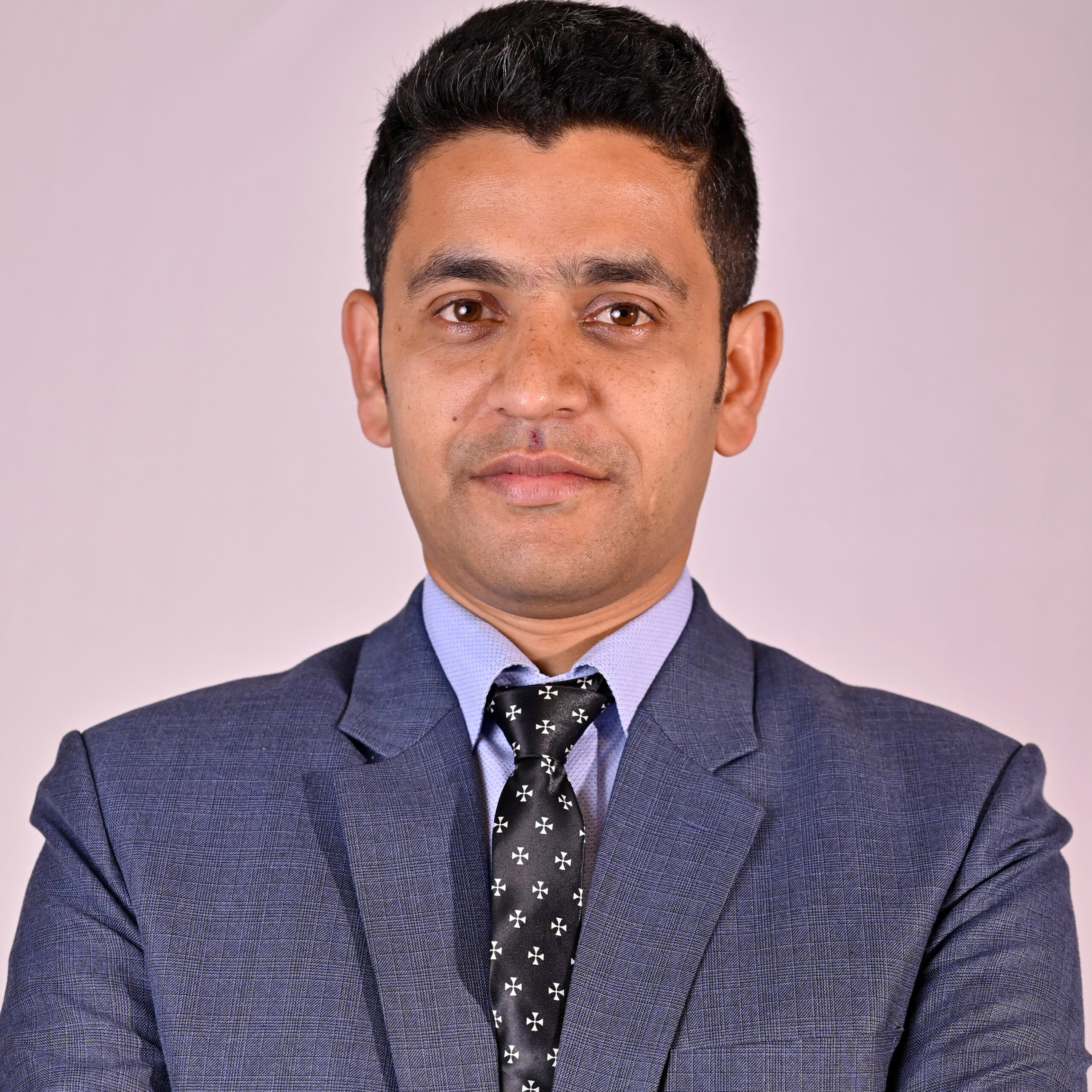
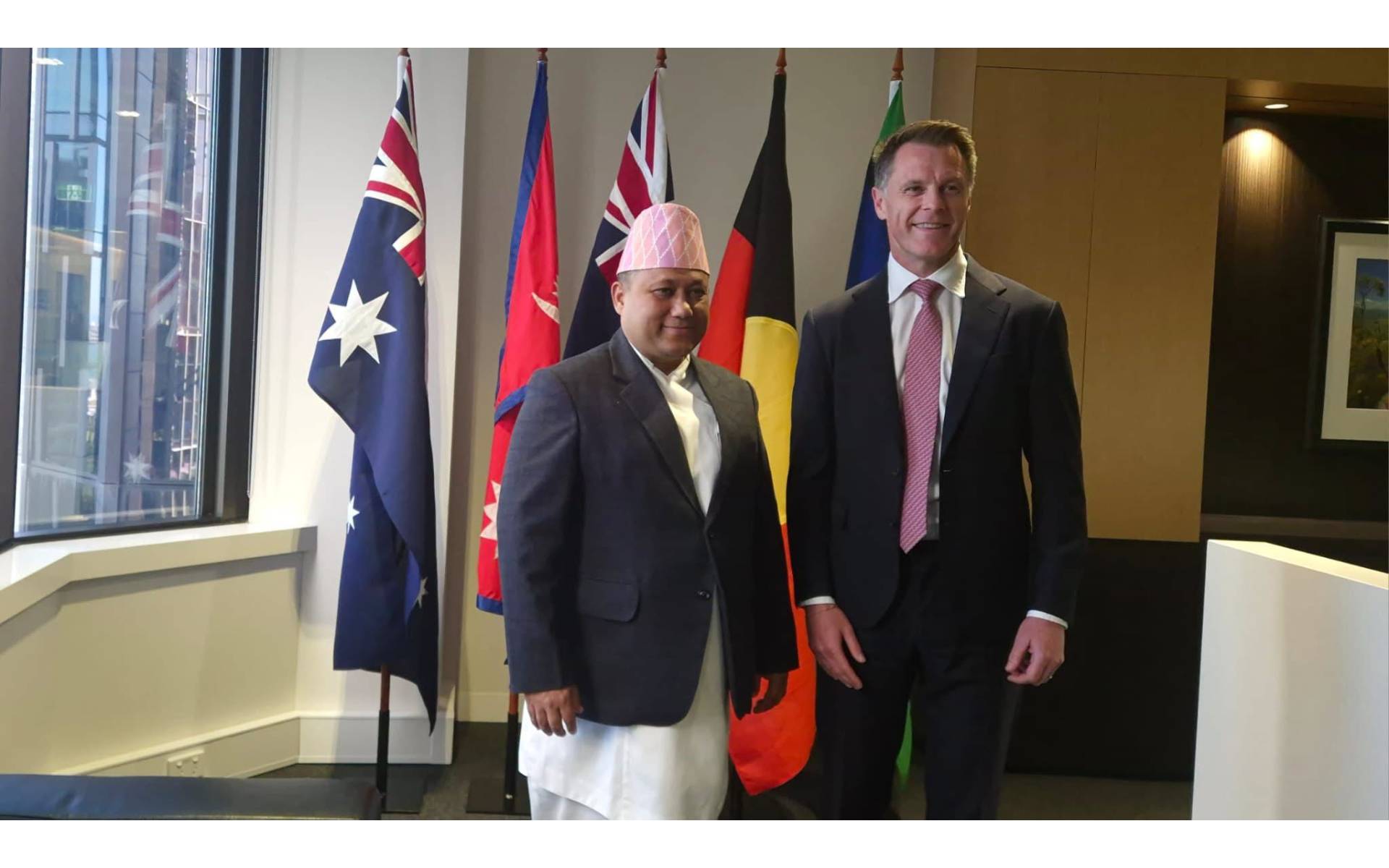
On April 8, ambassadors and heads of diplomatic missions based in Kathmandu paid a joint courtesy call on Prime Minister Balendra Shah (Balen) at his office in Singhadurbar. Ambassadors and heads of missions from India, Pakistan, the Republic of Korea, the United Kingdom, Qatar, Switzerland, France, Israel, Japan, Bangladesh, Germany, Egypt, Sri Lanka, Saudi Arabia, China, the United States of America and the United Nations were present in that joint meeting.

This was a rare, if not the first of its kind, practice in modern history for a Nepali prime minister to receive a joint courtesy call from the ambassadors and heads of mission of different countries stationed in Kathmandu. 

In the past, prime ministers having one-on-one meetings with each ambassador and head of mission in Nepal to receive congratulatory messages used to be a common practice. Prime Minister Balen Shah appears to have broken away from this tradition.

“The government seems to have adopted a new modus operandi,” says Chandra Dev Bhatta, a geopolitical analyst based in Kathmandu.”We saw some changes in the style of conducting diplomatic engagement by Prime Minister Shah. This is different from previous governments’ style,” he mentioned.  

The April 8 meeting has been interpreted to signal a new approach in Nepal’s foreign policy conduct and many expect this new practice to bring Nepal’s engagements with Kathmandu-based diplomats on the right track. In the past, Kathmandu-based diplomats used to meet the Prime Minister as and when they liked, often by bypassing the formal channel of the Ministry of Foreign Affairs. 

Modus Operandi–the Latin phrase meaning “method of operating” or “method of working” which Bhatta likes to use–seems to fit well with the way Prime Minister Shah wants to engage with international partners. He has employed a different diplomatic style at the beginning of his premiership.   

During his meeting with the ambassadors and heads of diplomatic missions in Kathmandu, Prime Minister Shah reiterated Nepal’s balanced and pragmatic foreign policy. Moreover, he highlighted the importance of deepening relations with immediate neighbours, friendly countries and development partners based on trust, mutual respect and shared prosperity. He also appreciated them for the continued goodwill and support extended for Nepal’s development efforts.

In his 12-point address to the diplomatic community, Prime Minister Shah stressed that peace must remain a shared priority. He underscored the government’s commitment to the safety, security and well-being of Nepali workers and the wider Nepali diaspora abroad. Shah further added that the government is determined to ensure good governance, accelerate economic development and improve the livelihoods of the Nepali people.

On the same day, on April 8, the Ministry of Foreign Affairs had held an orientation session for the ministers of the cabinet regarding ‘Foreign Affairs and Diplomatic Code of Conduct.’ Deepa Dahal, Prime Minister Shah’s press and research expert, informed that Foreign Secretary Amrit Bahadur Rai had made the presentation in the event held at the Office of the Prime Minister and Council of Ministers.

Secretary Rai’s presentation was focused on the international environment, Nepal’s international relations, promotion of national interests, and Nepal’s overall foreign policy. He gave a detailed orientation about the methods, limitations and diplomatic dignity to be adopted while engaging with global actors and conducting Nepal’s foreign policy. He emphasized the technical aspects of Nepal’s foreign policy priorities, balance of relations and diplomatic ethics. In addition, the presentation also covered aspects related to general etiquette to be observed during meetings with foreign officials and the mandatory adherence to the diplomatic code of conduct.

Experts describe the joint meeting with foreign envoys as a procedural shift. Dr. Monalisa Adhikari, Senior Lecturer in International Politics at the University of Stirling in Stirling, United Kingdom, commented: “While the general direction of foreign policy has remained constant after the new government came to power, instances like a joint courtesy call with all heads of diplomatic missions mark a procedural shift.”  According to her, this step is fairly significant given Nepal’s history of heads of governments giving contradictory assurances and messages to different members of the international community, whether on infrastructure projects associated with Belt and Road Initiative (BRI) and Millenium Corporation Challenge (MCC) or on issues related to secularism. “Such a shift is a key in paving the way for consistency in foreign policy messaging and ensuring greater transparency both to the members of the public as well as the international community,” she said. 

On April 14, the government unveiled a draft of the “National Commitment” document prepared by incorporating policies enshrined in the election manifestos of six political parties who were able to retain national party recognition in the March 5 elections. The government’s previously announced 100-point action plan had included a provision to formulate and implement such a document by incorporating key agendas outlined in the manifestos of major political parties. The government also called the political parties and public to provide their feedback on the draft document. 

The 18-point National Commitment paper, again a first of its kind practice in Nepal, sheds light on the government’s international relations, diplomacy and foreign affairs. “While placing Nepal’s sovereignty, territorial integrity and national interest at the forefront, a balanced and dynamic diplomacy will be pursued to transform the changing global geopolitics and the rise of neighbouring powers into opportunities for Nepal’s development,” says the Commitment paper. “A scientific performance audit system will be introduced to measure the performance and effectiveness of Nepal’s diplomatic missions.” 

The document also aims to transform Nepal from a “buffer state” into a “vibrant bridge” while upholding Nepal’s sovereignty and national interest and to uphold national interest through trilateral economic partnerships and connectivity. Nepal will be established in the international arena as an independent, neutral, peace-oriented and non-aligned country, the document mentioned.

Stating that military alliances, arms races and wars obstruct peace, the commitment paper envisions adopting  a policy of maintaining equal distance and balanced proximity with all. The document says the idea of “Nepal First: Nepali First” will be at the core of all diplomacy. “Economic diplomacy will be promoted, and programmes such as the Sagarmatha Dialogue will be given continuity,” reads the document. “Nepal’s voice will be strongly raised in international forums on climate change, protection of the Himalayas, mountain issues, and the shared interests of landlocked countries. Coordination with the international community will be strengthened to protect the rights, interests, security and social protection of Nepali workers in foreign employment.” 

The national commitment paper also marks a shift to how the government wants to seek and maintain global engagement. Foreign affairs expert and former lawmaker Dr. Deepak Prakash Bhatta acknowledged that people have seen a few changes in how diplomacy is being conducted by the current government. But he argues that it all depends on how this policy will be implemented in practice. “Diplomatic conduct has changed but you cannot only rely on statements and gestures,” he said. “It will be more important during the implementation process because the key question is whether we have the capacity to implement it in the future.” “For now, we see some changes but we need to observe them in the future as well,” he concluded.
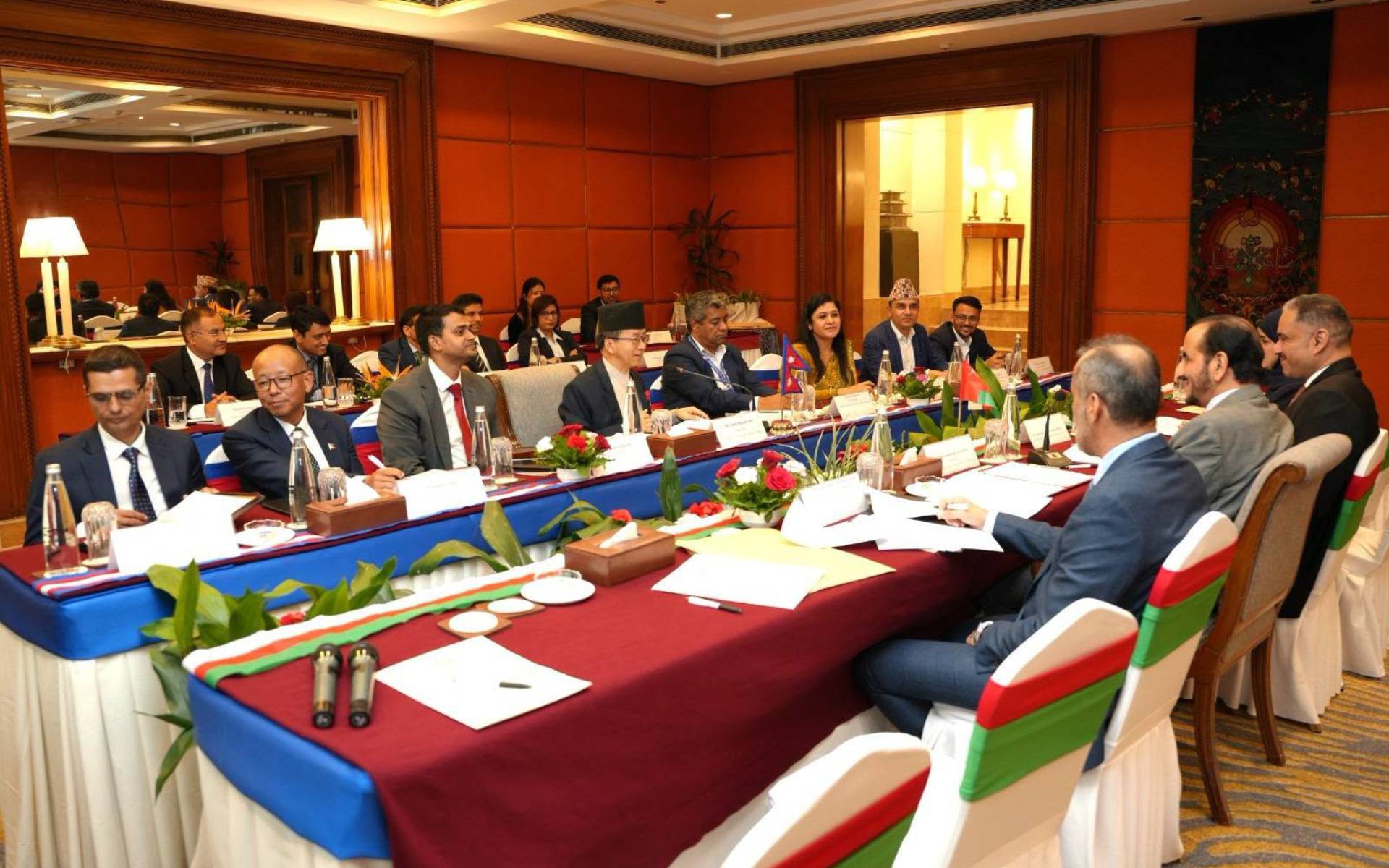
Jagdishor Panday

Panday is the founding editor of The Diplomat Nepal magazine.