Kathmandu: The Nepali Youths catalyzed the movement and have transitioned to the governance reform process in Nepal. The question now remains if their emerging civic interest can be translated into active participation in this process while it’s hot.
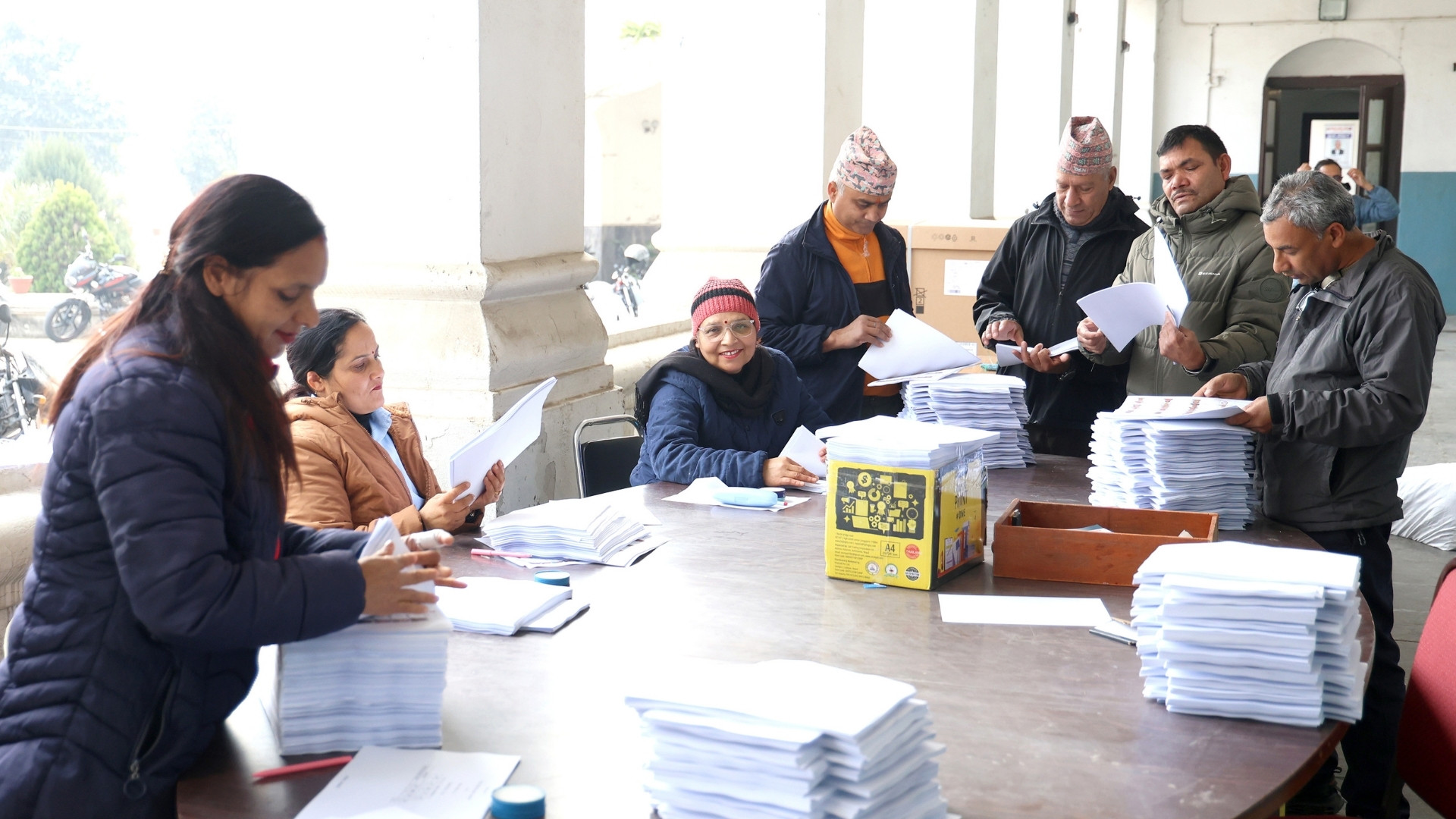
In recent March elections, Accountability Lab Nepal (ALN), a non-profit, working to make governance work for people, implemented a youth-focused election observation initiative for the first time and enabled them with tools, training, resources and networks to engage in the election observation. It was supported by the European Partnership for Democracy and the European Union. Simultaneously, the initiative also partnered with three local domestic observers (National Election Observation Committee, Election Observation Committee and Democratic Resource Centre) to help scale their specialised observation initiatives and to integrate a youth-centric approach into their established observation models. This created a platform for combined mobilisation of over 1,000 Nepali local youths between the age 21 to 30, to directly, neutrally and actively participate in the March elections across Nepal as an observer, gaining firsthand experience. Among them, 90% of them were first-time election observers.
Traditionally, the election observation efforts did not adopt a youth-focused approach and focused more on specialised or polling day-centric observation. Implementing a youth-led approach to the recent March election observation generated a refreshing scenario. The young observers demonstrated strong eagerness to contribute and curiosity throughout the observation period, often going the extra mile to seek information, showing flexibility in travel and deployment, adapting to changing circumstances, and actively engaging in reflection sessions. At the outset, the youths shared skepticism on their ability to monitor the elections for the first time. However, as they began gathering deep experience, knowledge, and evidence through field visits in their own communities where they had the trust and the contextual knowledge, that skepticism soon turned into confidence, amplifying their interest even more.
“My perspective of elections has shifted from a purely administrative event to a human process that is dependent on respectful engagement, reliable infrastructure, honest communication and stronger civic education. I realized a true democracy must prioritize citizen facilitation over the mere technical act of conducting a vote.” – Dhiraj Pariyar, a 24 year old observer, Gandaki Province
The youths were also comparatively more tech-savvy, and combined with their multi-lingual skills including both Nepali and English eased the use of digital tools for reporting, analyzing the information, and communication. The tech skill also meant that the initiative could engage these youths in the monitoring of the digital space. A group of three observing youths, mostly still college level students, monitored the digital space, especially Social Media space using the ‘Edge Tool’ tracking over 50 different candidates. Besides tracking the posts and engagement of the candidates, this group also uncovered in detail many unique cases of misinformation and digital attacks including the use of digital bots that were used to defame and generate massive fake negative reactions on the rival candidate’s posts.
One key aspect of the initiative was to foster multiple lenses of observation that captured metrics beyond standard indicators such as election day management and campaign finance. It had adopted a flexible and community-centered approach to capture rumors, concerns, and evolving public narratives, while tracking the election event through the lens of underemphasised indicators such as green elections, inclusion, and intergenerational narrative on emerging youth candidates. This is primarily where the youth observers were able to play a strong role as they were intrinsically passionate about these perspective lenses including inclusion, and climate and green principles.
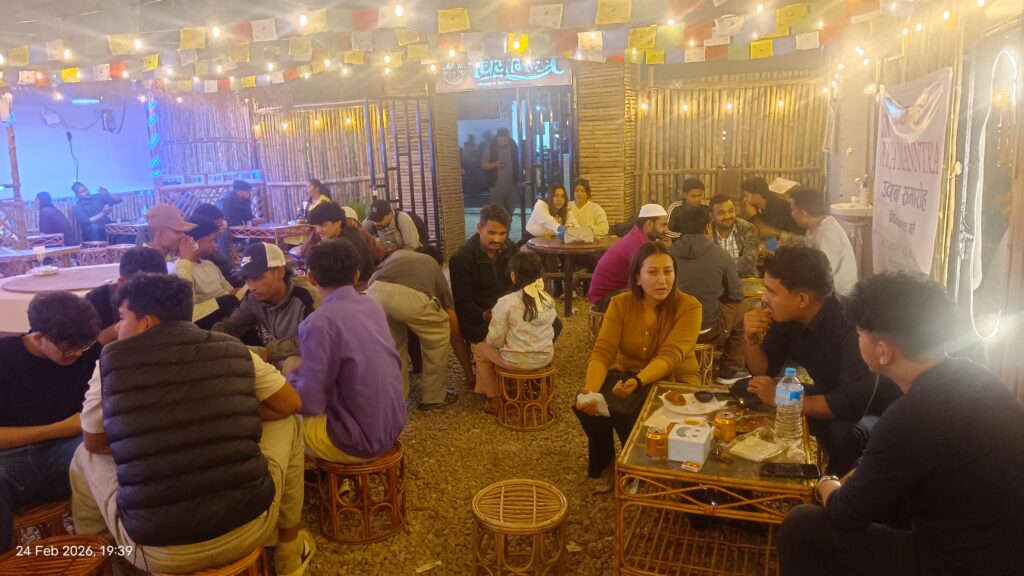
Youth monitors gathered data and insights through informal conversations with locals in familiar everyday spaces such as tea shops and local gathering areas, where community members felt more comfortable sharing their perspectives openly. They also found it easier to connect with other local youths through informal peer-to-peer conversations, particularly as many of the issues being discussed closely resonated with their shared experiences and concerns.
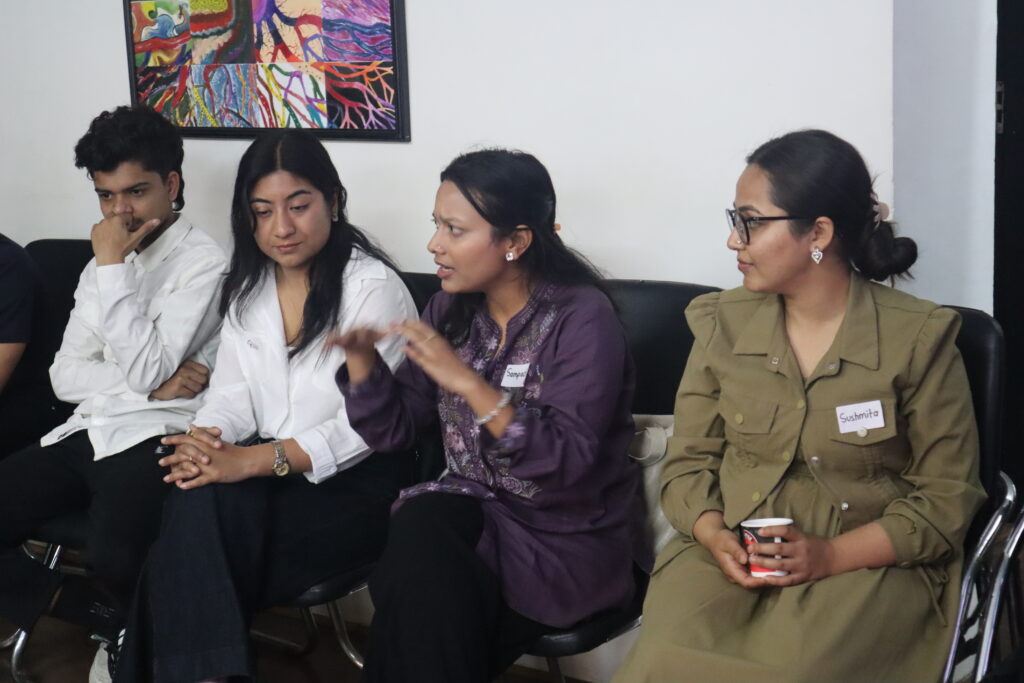
More importantly, beyond serving as a mechanism for election observation, the initiative became a platform for civic learning, leadership development, and youth empowerment for the youths enabling them to gain practical knowledge of electoral governance while strengthening their understanding of democratic processes and civic responsibility. For many youths, the frontline experience exposed them to surprising electoral realities, processes, and public sentiments they had never previously witnessed firsthand such as accessibility challenges faced by voters, the overlap between cultural context especially in Terai region and the election campaign, and visible forms of political polarization within the youths. Encountering these realities directly transformed this observation work into a lived experience of personal empowerment, perspective shift, and fundamentally reshaped how they viewed electoral governance and their role within it as active citizens.
“While on duty at a polling station, I observed a male security officer pressuring a woman wearing a burkha to show her face after making suggestive comments about her eyes. The harassment only stopped after another officer witnessed the interaction and stepped in against his misconduct.”
-Jyoti Mandal, a 24-year-old youth observer, Madhesh Province.
Way Forward: Observers to Electoral Governance Champions
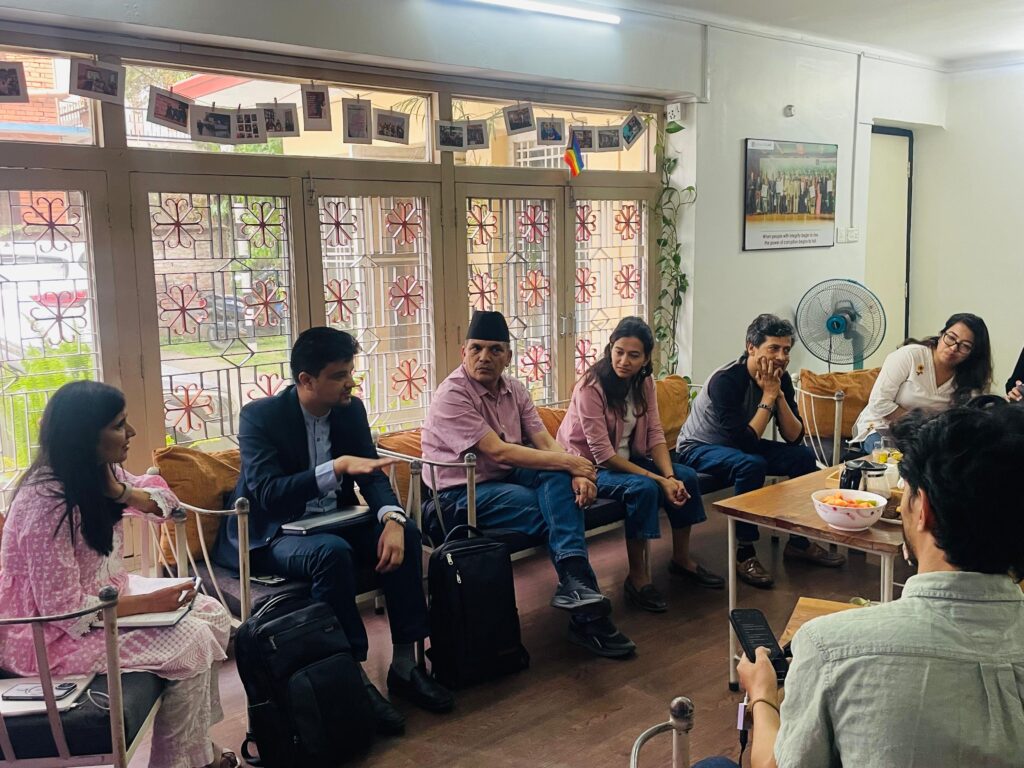
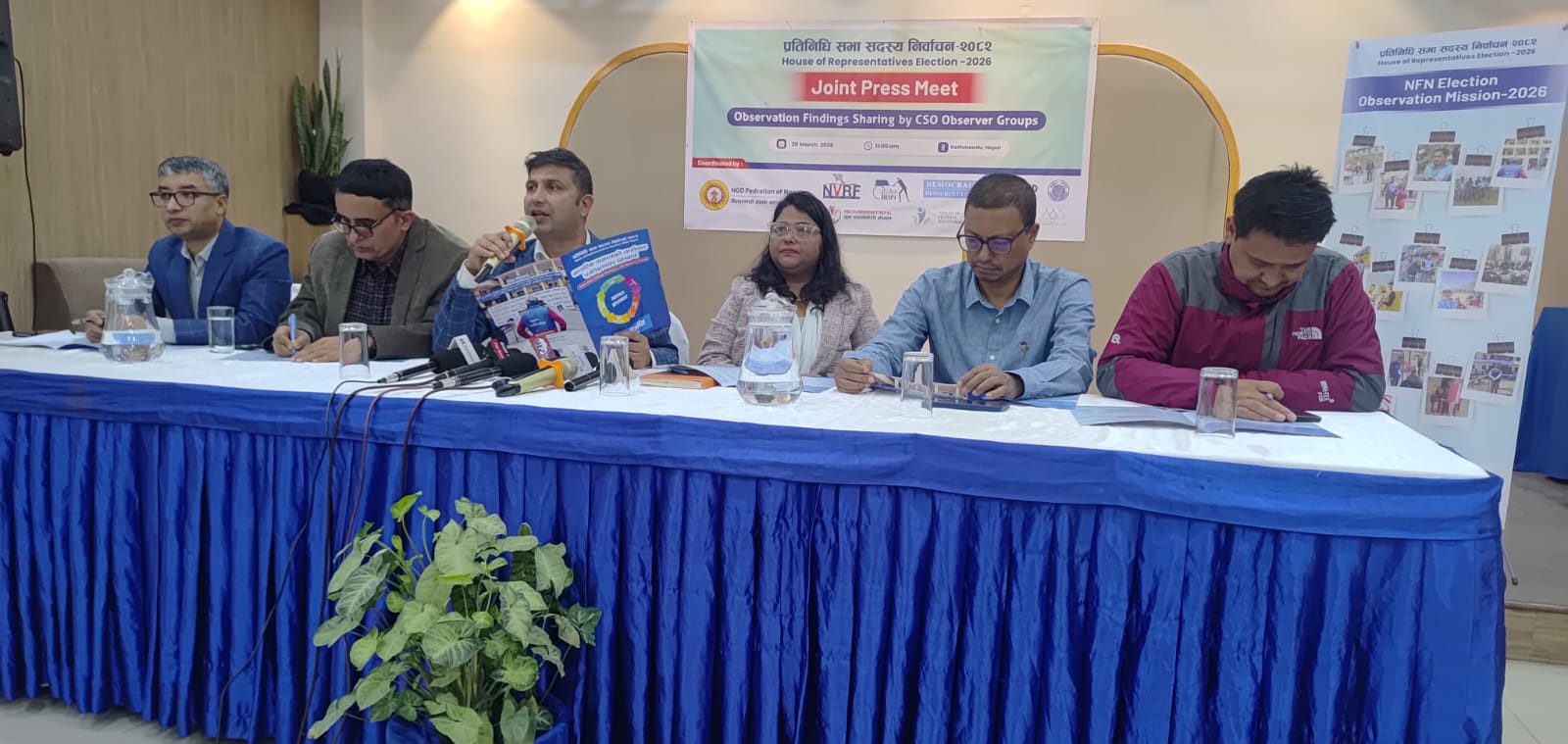
While this initiative, based on their endline feedback, successfully bolstered the knowledge, confidence, and willingness of these youth to engage in the civic and political space, the immediate challenge lies in sustaining and channeling this energy into active citizenry among the Nepali youths. This was also the common concern in the post-election ‘Advocacy Plan Meet’ that ALN had organized among the three local partner organizations seeking a collective way forward in strengthening electoral integrity.
“It is no longer enough for youth to simply participate; we must nurture their transition from active participants to established leaders. Because I believe that these youths can lead the governance reform we are seeking today in this context.” -Min Basnet, Program Director, NEOC
Looking forward, the upcoming local level election already knocks on our door, and the focus must shift toward youth-centric innovative models that prioritizes their meaningful engagement, ownership and leadership over tokenism. The youth have already proven their prowess as movement creators and campaigners; now is the time to empower them as governance reform champions. Facilitating this requires intentional and youth-centric engagement models, tools, and spaces for discussion, debate, and dissent. This is where donors, activists, CSOs, and even the Nepali government can come in to bridge the gap.
“We designed this project with the belief that young people should be at the forefront of strengthening electoral integrity in Nepal, and that organizations like ours must create innovative pathways for their engagement. In the end, it was encouraging to hear from our local election observation partner organizations that they intend to continue implementing youth-led approaches to election observation moving forward.” -Thukten Lama, Project Manager, Accountability Lab Nepal
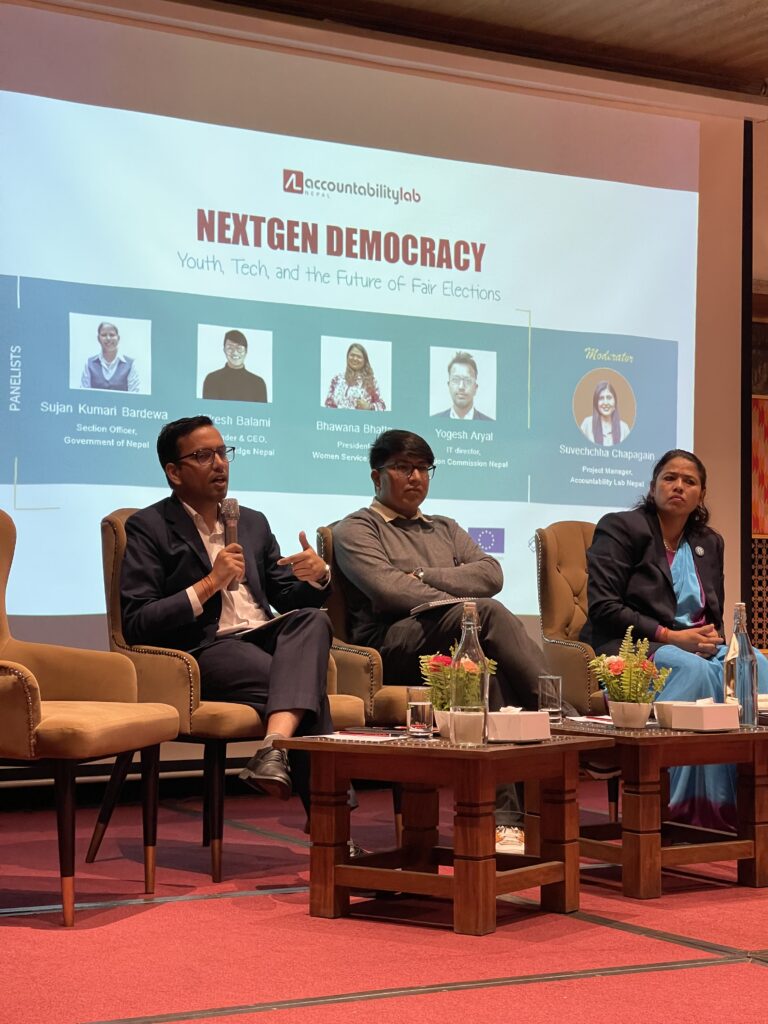
Additionally, central to the electoral reform process is digitization, as digital spaces will be integral to upcoming cycles. Yogesh Aryal, IT Director at the Election Commission Nepal (ECN) and one of the four panellists at the post-election stakeholder dialogue that ALN has organized, shared about how the ECN is prioritizing digitalisation in the future. Addressing the question from the audience representing youths, bureaucrats, former Integrity Icon Nepal winner, civil society, and activists, Yogesh pointed to the successful integration of the voter details on the Nagarik App in this election cycle. As a preparation for next election, ECN is aiming for paperless elections, stronger coalition with other government bodies such as the Cyber Bureau, Press Councils and stronger collaboration with major social media platforms such as Meta and Tiktok. Therefore, with digitalization emerging as a key frontier of electoral reform, civically charged and digitally skilled youths are uniquely positioned to contribute meaningfully to the future of electoral governance.
Anti-corruption and systemic governance reform emerged as the defining mandates of the recent election cycle, driven by a youth demanding immediate institutional evolution. With the Rastriya Swotantra Party (RSP) now leading the post-Gen-Z Movement government under Prime Minister Balendra Shah, the administration is beginning to implement the ambitious reforms they envisioned during the campaign. However, for these high-level reforms to succeed, the infrastructure of civic engagement must also evolve, especially for the youths, to meet the aspirations of this new generation.