Nepal’s 2026 House of Representatives election marks a significant moment in the country’s democratic journey, not merely as a routine electoral exercise, but as a reflection of evolving political consciousness, generational change, and institutional resilience. According to the preliminary observation report by NGO Federation Nepal, the election was largely peaceful, credible, and participatory, yet it also revealed structural weaknesses that demand urgent attention.
At the heart of this election lies what observers have termed a “Gen-Z Moment.” This phrase captures a broader transformation in Nepal’s political landscape, driven by younger voters who are increasingly vocal, digitally connected, and dissatisfied with traditional political structures. Unlike previous elections, this cohort did not merely participate, they actively questioned, challenged, and reshaped political narratives.
The rise of youth engagement was evident across multiple dimensions. Young voters turned out in large numbers, not only as voters but also as volunteers, observers, and political advocates. Their influence was particularly visible in urban and semi-urban areas, where dissatisfaction with established parties translated into support for alternative candidates and new political ideas.
Despite the trend, the report highlights persistent shortcomings that undermine the overall effectiveness of the electoral process. One of the most pressing concerns is the lack of adequate voter education. In many polling stations, essential informational materials were either insufficient or entirely absent. This gap contributed to a significant number of invalid votes, often caused by simple errors such as multiple markings on ballots. Such issues not only disenfranchise voters but also point to deeper systemic failures in civic education.
Equally concerning are the inconsistencies in voter lists. Errors ranging from mismatched identification details to incorrect polling station assignments created confusion and in some cases, prevented citizens from exercising their right to vote. These administrative lapses highlight the need for continuous updating and digitization of voter databases to ensure accuracy and accessibility.
The report also raises important questions about inclusivity. While voter turnout was generally high, marginalized groups, including persons with disabilities and the elderly, faced significant barriers. Many polling stations were located in schools and public buildings that lacked basic accessibility features such as ramps, appropriate seating, or assistive devices. In addition, limited transportation options on election day further restricted access for vulnerable populations. These shortcomings underscore the need for a more inclusive electoral design that accommodates all citizens equally.
Another notable challenge was the spread of misinformation. Social media platforms played a dual role during the election: while they facilitated political engagement and awareness, they also became conduits for fake news, hate speech, and misleading narratives. This phenomenon reflects a global trend but poses particular risks in emerging democracies like Nepal, where digital literacy and regulatory frameworks are still evolving.
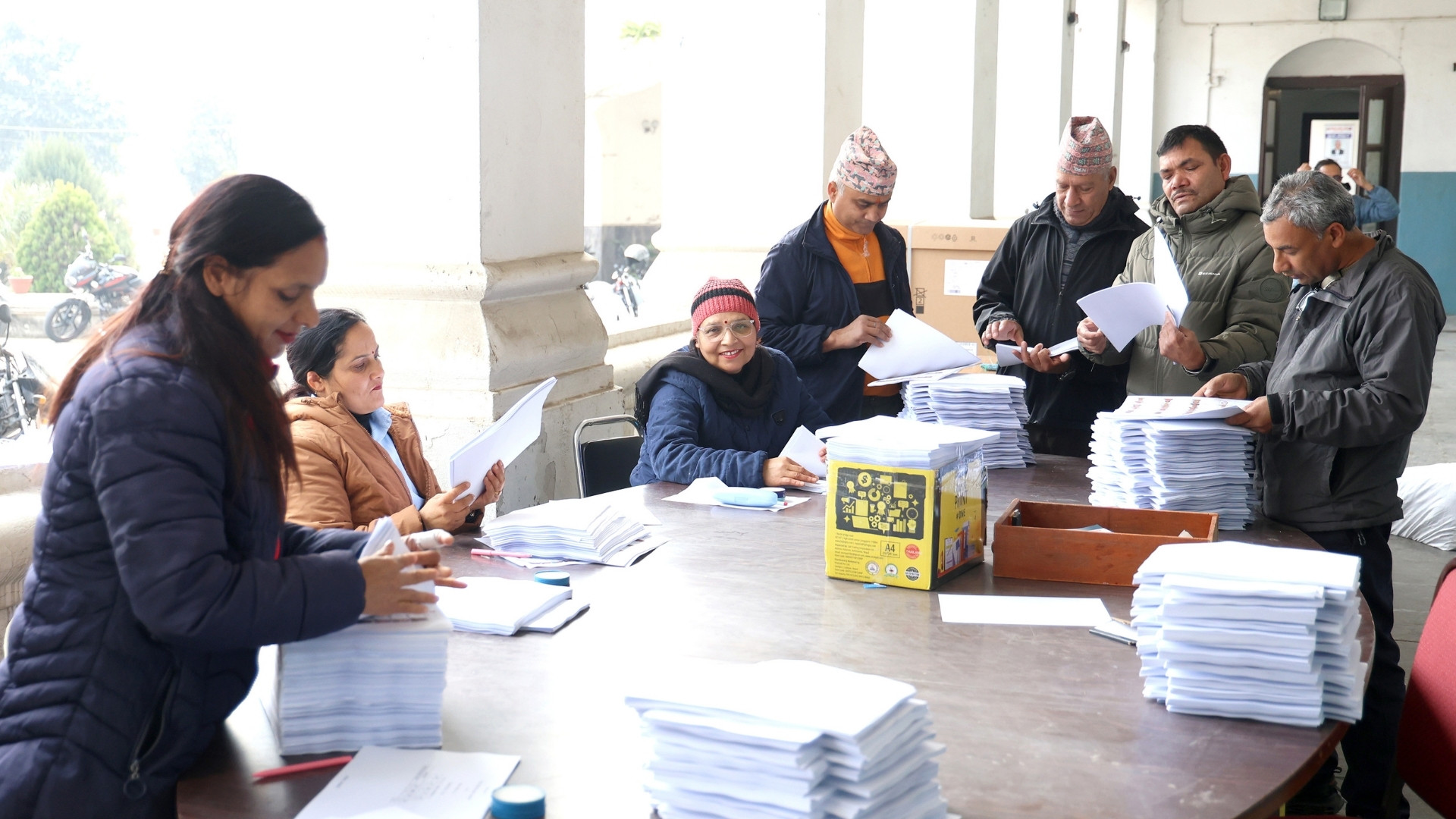
On the operational side, the election demonstrated a mixed performance. Polling stations were generally well-managed, and election officials were seen to carry out their duties responsibly. Transparency measures, such as the proper sealing of ballot boxes, were largely adhered to, reinforcing public confidence in the process. Security arrangements were also effective in maintaining a peaceful environment, although isolated incidents and localized disruptions were reported.
However, the role of election observers, a critical component of democratic oversight, was not without challenges. In several instances, observers were denied full access to polling stations or faced restrictions on their ability to monitor key processes. Such limitations not only compromise transparency but also raise concerns about accountability mechanisms within the electoral system.
The report’s findings ultimately present a nuanced picture. On one hand, the 2026 election stands as a testament to Nepal’s democratic maturity. The peaceful conduct of voting, high levels of participation, and visible enthusiasm among citizens reflect a robust trust in the democratic process. On the other hand, the identified weaknesses, ranging from voter education and administrative inefficiencies to inclusivity and misinformation, highlight areas where reforms are urgently needed.
Looking ahead, the recommendations offered in the report provide a clear roadmap for strengthening Nepal’s electoral system. Expanding voter education initiatives, particularly through digital platforms, can empower citizens with the knowledge needed to participate effectively. Improving coordination among security agencies will ensure safer and more efficient elections. Making polling stations universally accessible is essential for achieving true inclusivity.
Furthermore, the idea of enabling voting for Nepali citizens living abroad represents a forward-looking reform that could significantly enhance democratic participation. In an increasingly globalized world, leveraging technology to introduce digital or online voting systems may not only reduce costs but also broaden the reach of the electoral process.
In conclusion, Nepal’s 2026 House of Representatives election represents both progress and potential. It confirms that the country’s democratic foundations are strong, yet it also reveals the work that remains to be done. The emergence of a politically engaged younger generation offers hope for a more accountable and responsive governance system. However, realizing this potential will require sustained efforts to address systemic challenges and ensure that democracy in Nepal becomes not only participatory but also inclusive, transparent, and resilient.