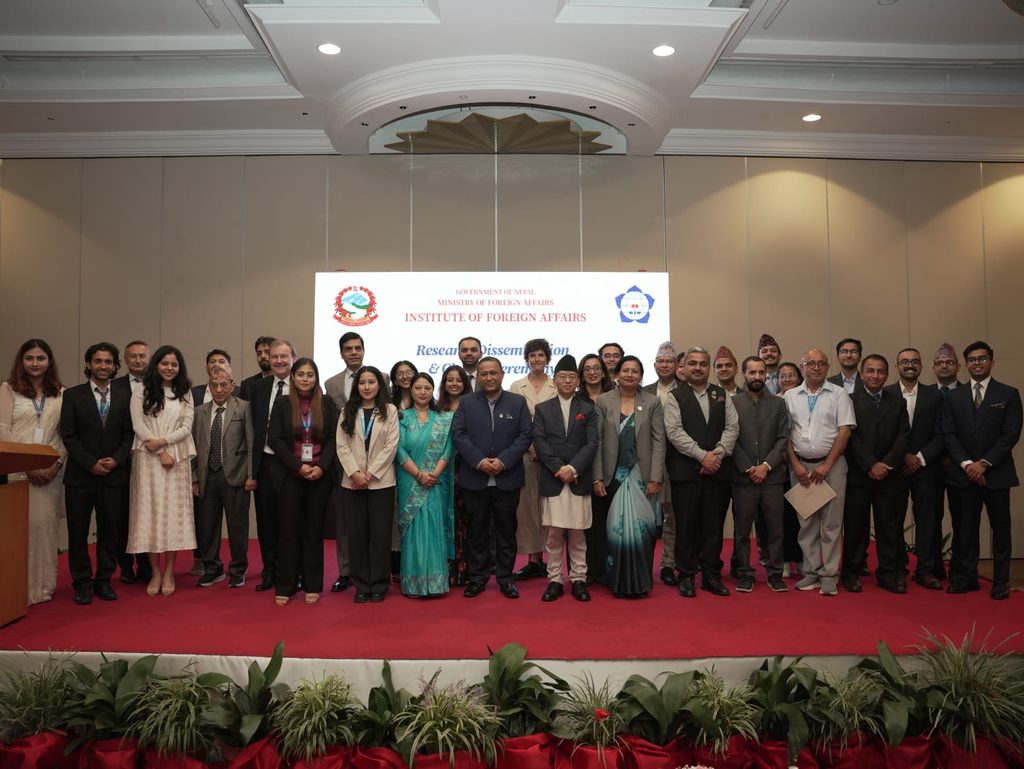
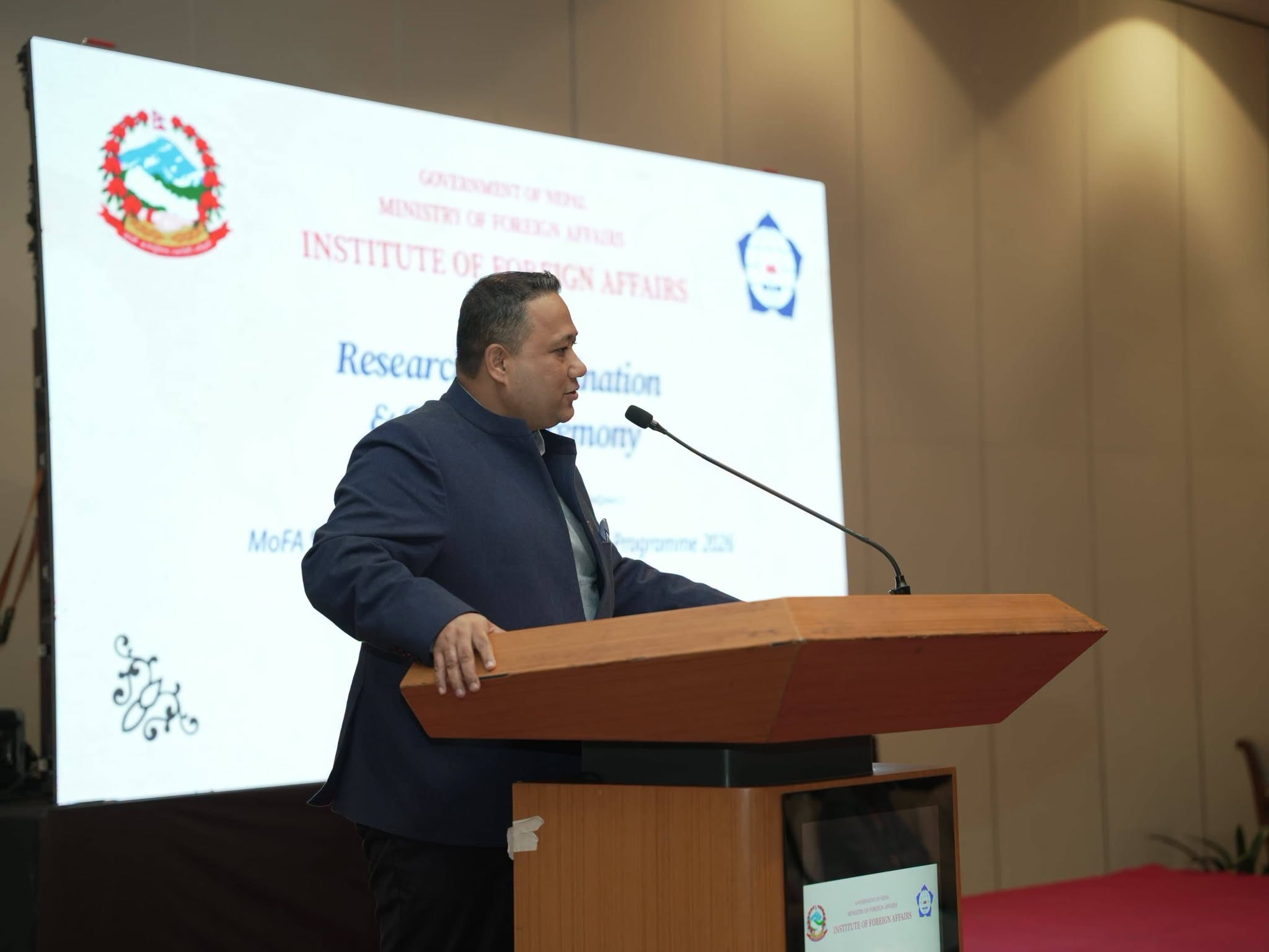
Kathmandu: Initiated by the Ministry of Foreign Affairs (MoFA) and hosted by the Institute of Foreign Affairs (IFA), the ‘MoFA Nepal Summer Internship and Fellowship 2026’ was launched in June and concluded on August 12. The Fellowship accepted a cohort of interns working across ten defined research clusters including strategic affairs and public international law, development finance and investment diplomacy, emerging technologies, climate diplomacy and diaspora policy, among others.
The eight-week program aimed to connect Nepal’s foreign policy with research-based, contemporary knowledge, skills, and expertise of the young generation. Ten fellows and 10 interns, from both Nepal and abroad, were given the opportunity to conduct direct research on priority issues related to Nepal’s foreign policy.
The Ministry has emphasized the importance of strengthening the quality and reach of Nepal’s diplomatic engagement in a rapidly changing international environment. Research and new knowledge can play an important role in promoting economic diplomacy, attracting investment, expanding trade and strengthening bilateral and multilateral relations.
As Nepal prepares to graduate from the category of Least Developed Countries (LDCs), changes in areas such as international trade, access to concessional finance and development partnerships are expected. Managing this transition will require stronger institutional and policy capacity, including in Nepal’s foreign policy and diplomatic mechanisms. In this context, the Summer Fellowship and Internship Program was launched in an effort to connect the knowledge of young researchers and professionals with the policy level.
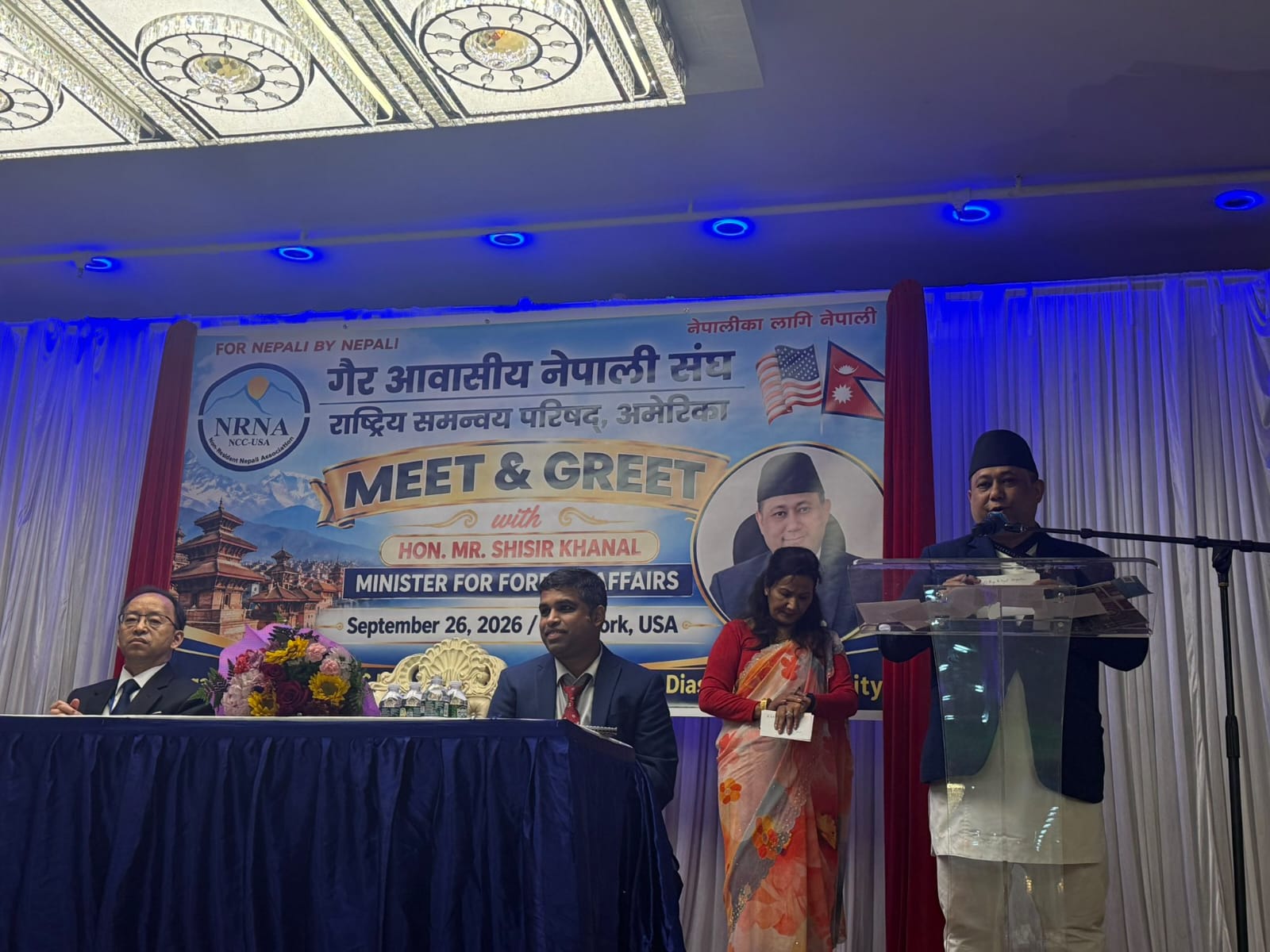
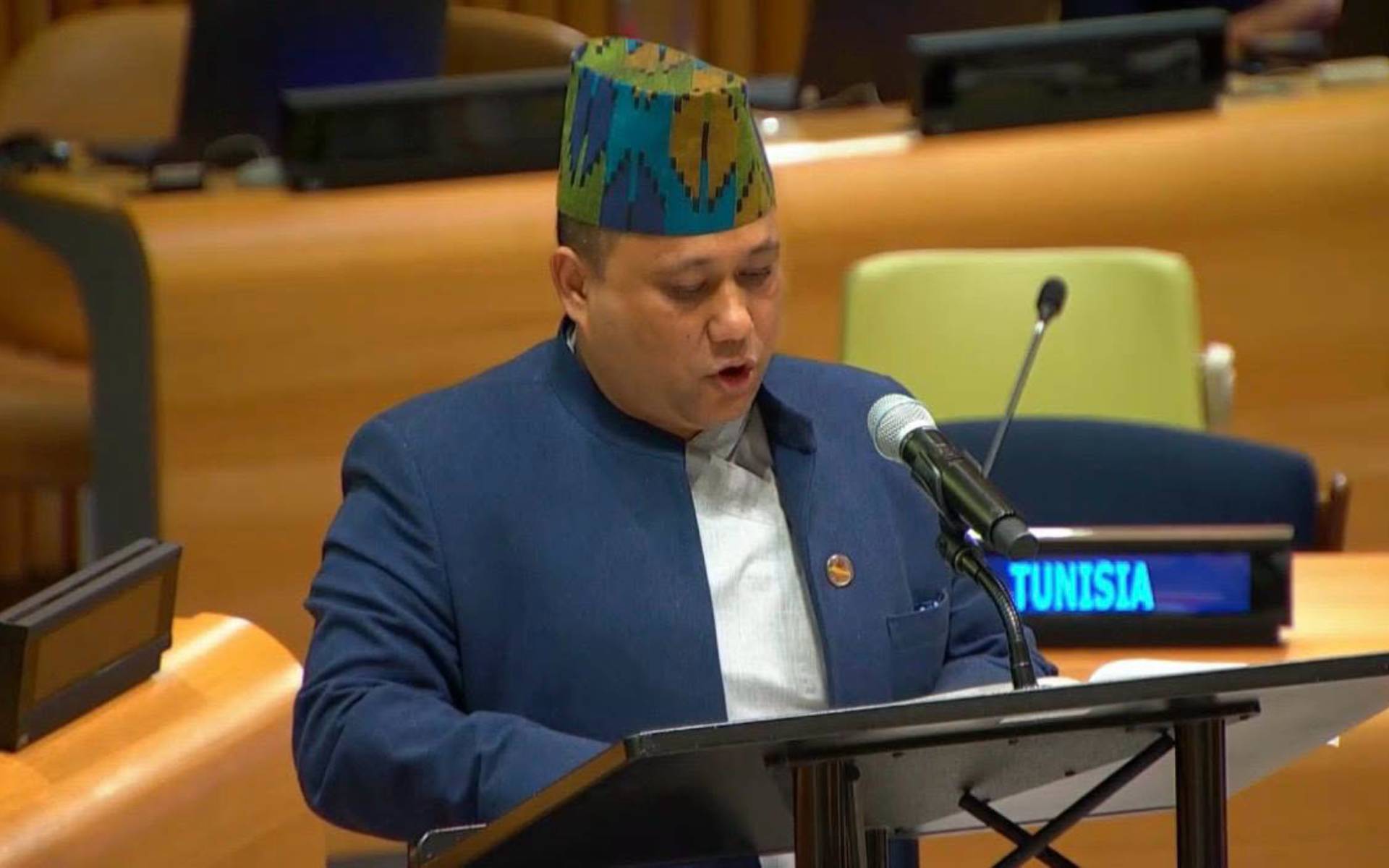
During the closing ceremony of the programme, Hon. Foreign Minister Shisir Khanal appreciated the efforts of the young fellows and interns. He emphasized the importance of research, evidence-based analysis, and informed public discourse in strengthening Nepal’s foreign policy. The Foreign Minister also encouraged young researchers to closely follow emerging international developments and contribute to Nepal’s diplomatic practice and policy formulation.
Scope of research
The programme was developed around three broad pillars: Knowledge, Partnership and Networking. One of its principal objectives was to produce independent and analysis-based research on issues affecting Nepal’s future foreign policy. Participants were expected to draw on their academic training, research skills and professional or field experience. The aim of the partnership was to develop a working relationship between the government and the research and professional community involved in Nepal. Participants had the opportunity to understand how foreign policy is formulated and implemented at the ministerial level, while the ministry was expected to gain new perspectives and knowledge from global practice. Similarly, network building was considered as a long-term aspect of the program. Participants who completed the program were expected to connect with a community of professionals who understand the Ministry’s work and could contribute in the future.
Under the program, the participants selected one of the 10 research topics and prepared their own original research questions. The Ministry had determined the broad area of the subject and the participants decided the research question according to their interest, expertise and experience. Topics of research included strategic affairs and public international law, digital governance and technology policy, emerging technology and national security, conflict, instability and economic risks, and climate diplomacy and environmental issues. Other areas included energy transition and diplomacy, human mobility, labour diplomacy and labour rights, diaspora, the international community and foreign policy, tourism, culture and public diplomacy and development finance and investment diplomacy. The programme also covered both traditional and emerging priorities of Nepal’s foreign policy, including technology, climate change, labour migration, energy, diaspora engagement and development finance.
Working with the Ministry
Apart from conducting research, participants were given opportunities to engage directly with the Ministry’s policy and operational processes. Participants attended weekly meetings with the Ministry’s Liaison Officer to discuss their research progress, challenges and future plans. In the middle of the week, a session was also held to exchange research findings among other participants. Likewise, experts, practitioners, former diplomats and field experts gave presentations of 45 to 60 minutes on various topics related to foreign policy and Nepal’s international relations. The participants received more information about Nepal’s diplomatic practice and various aspects of international relations through these sessions. These interactions gave the participants an opportunity to closely understand the functioning of the Ministry, policy making process and diplomatic practice beyond books.
A formal orientation programme was conducted at the beginning of the programme, during which participants were introduced to the Ministry and its work in the presence of senior officials. Participants subsequently developed their research questions and research plans.
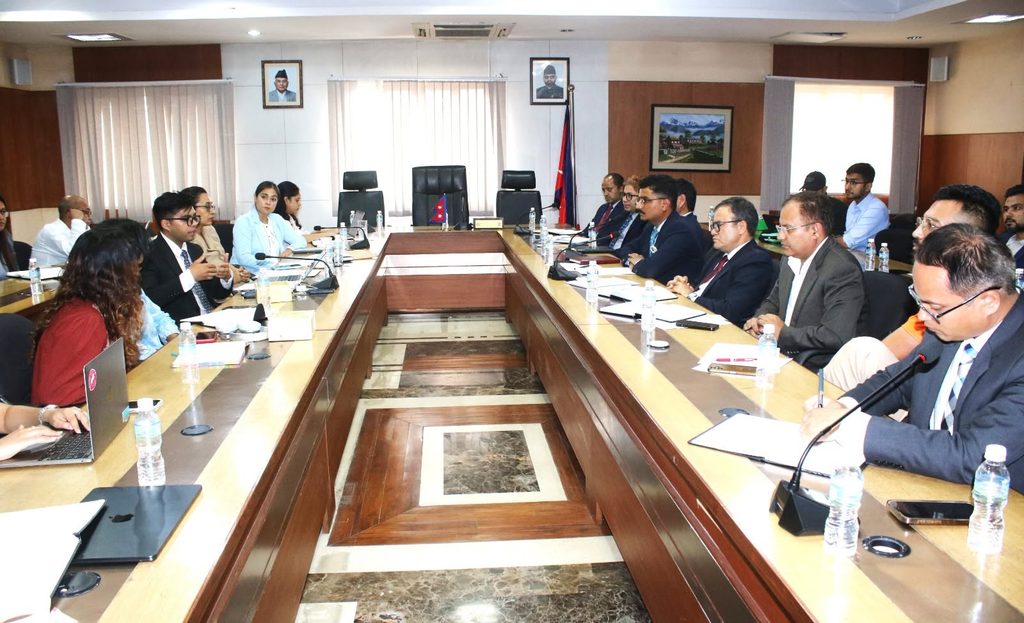
The programme also included mentoring and guidance sessions, as well as opportunities for participants to present and discuss their research with Ministry officials and other professionals. During the programme period, a mid-programme interaction and discussion session brought together cohort members and senior Ministry officials, allowing participants to present their research questions, methodologies and areas of inquiry and receive feedback.
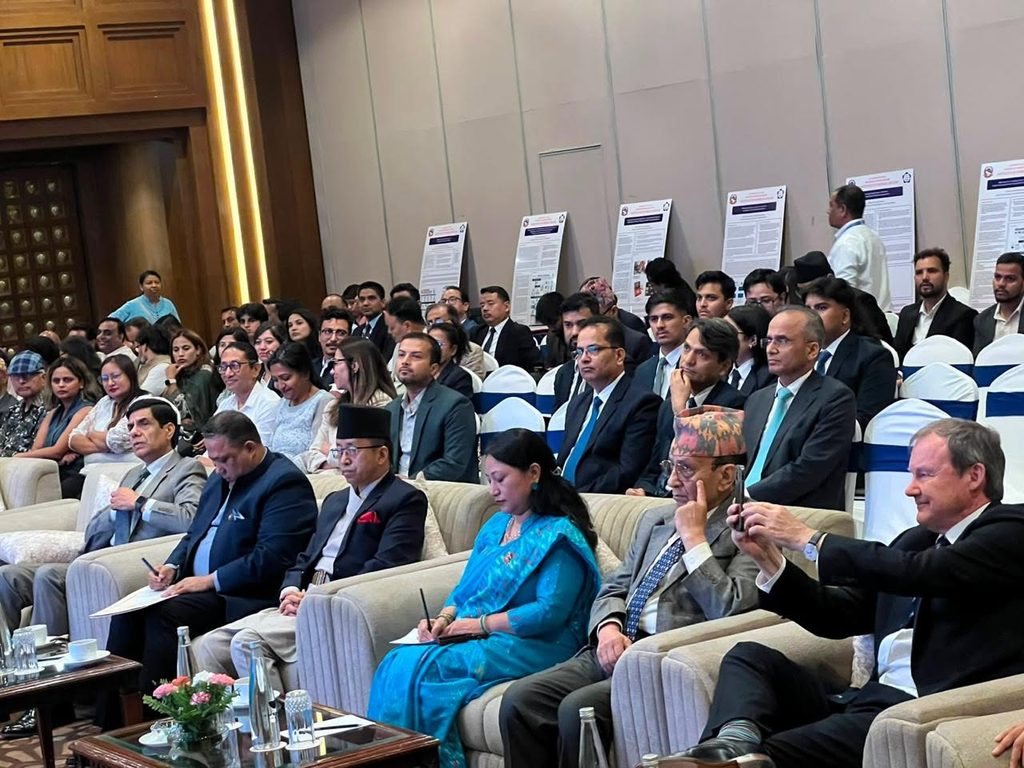
The programme concluded with a closing ceremony and research dissemination on August 12, during which participants presented their research and findings.
Conclusions and recommendations
A key outcome of the programme was the production of policy-oriented research by the participants. The research was intended to generate practical and policy-relevant insights that could contribute to Nepal’s broader foreign policy discourse. The emphasis on policy-oriented research reflected an effort to encourage research that is not confined to academic discussion but can also contribute to policy formulation and implementation.
The programme was designed for students, recent graduates and emerging professionals with relevant academic training, expertise or professional experience in areas connected to the designated research themes. Applicants were expected to demonstrate the research and writing abilities necessary to contribute to policy discussions.
By bringing together young researchers, professionals, diplomats and policymakers, the MoFA Nepal Summer Internship and Fellowship Programme 2026 represented an effort to strengthen the connection between research, emerging expertise and Nepal’s foreign policy priorities.