Kathmandu: Nepal and Nepalis take pride in a wide range of distinctive indigenous products. These products are special not merely because they are made in Nepal, but because they embody the country’s identity, culture and heritage, often reflecting specific geographical regions, indigenous knowledge and traditional methods of production.
But how many people around the world know that these products are indigenous to Nepal? How widely are their origins, cultural significance and unique methods of production recognised? More importantly, what can be done to preserve their distinct Nepali identity, enhance their competitiveness in the global market, and ensure that the communities and producers who sustain these traditions receive fair economic benefits? What are the existing bottlenecks, and what policies and legal mechanisms are needed to overcome them?
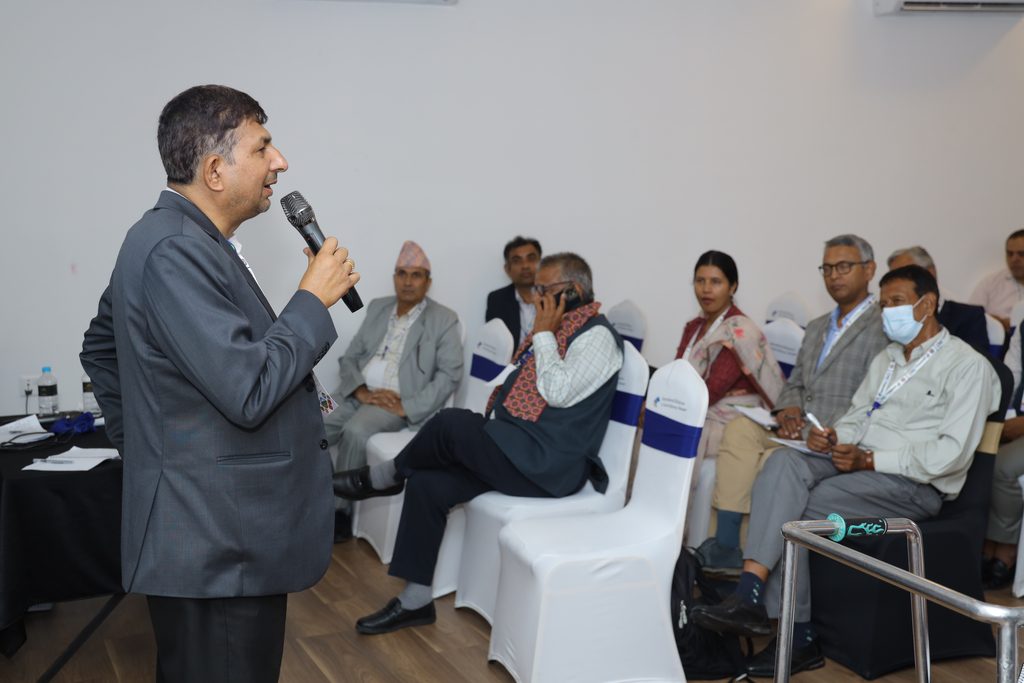
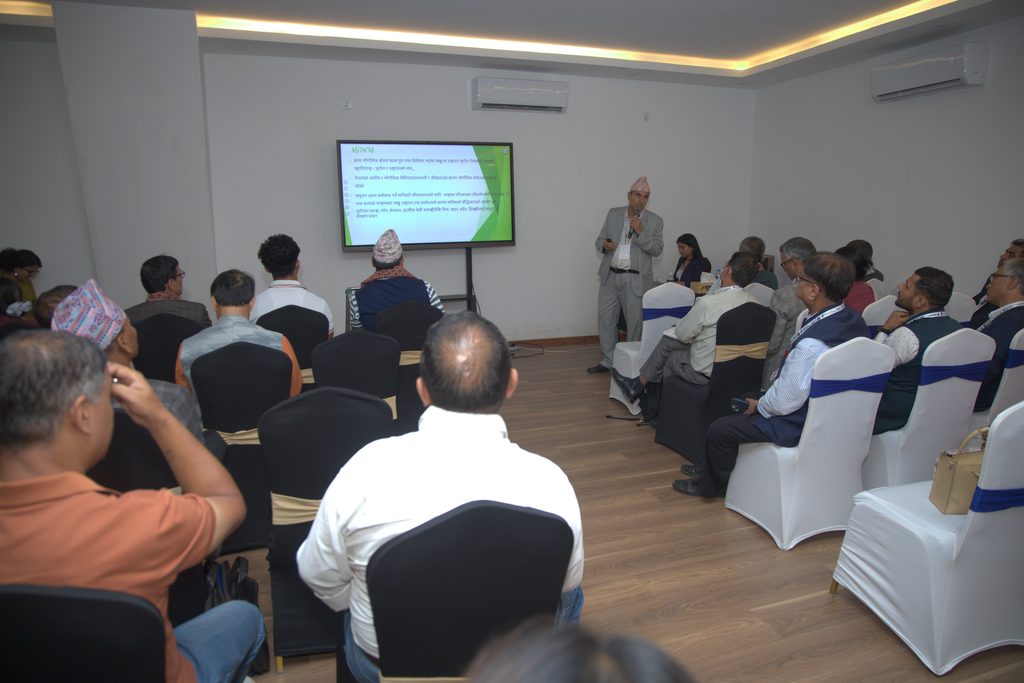
These questions—and many others—were at the heart of the National Parliamentary Policy Dialogue on the Importance of Intellectual Property and Geographical Indications for Nepal hosted by the International Relations and Global Diplomacy Dialogue (IRGDD) in collaboration with the Food and Agriculture Organization (FAO) of the United Nations, on August 21.
The dialogue focused particularly on Nepal’s fragmented intellectual property framework and the absence of a dedicated sui generis legal regime for Geographical Indications (GIs), a gap that can leave distinctive indigenous and geographically rooted products vulnerable to misappropriation and dilution of their identity and value.
The event brought together chairpersons and members of various parliamentary committees, including the Agriculture, Cooperatives and Natural Resources Committee; the Industry, Commerce, Labour and Consumer Welfare Committee; and the International Relations and Tourism Committee.
The dialogue also convened policymakers, government institutions, development partners, and experts, alongside the heads and office bearers of major sector associations such as the Federation of Handicraft Associations of Nepal (FHAN), the Federation of Export Entrepreneurs Nepal (FEEN), the Nepal Pashmina Industries Association (NPIA), the Nepal Dairy Association (NDA), and the National Tea and Coffee Development Board, among others. The event also saw active participation from the heads and presidents of various apex chambers of commerce and business institutions.
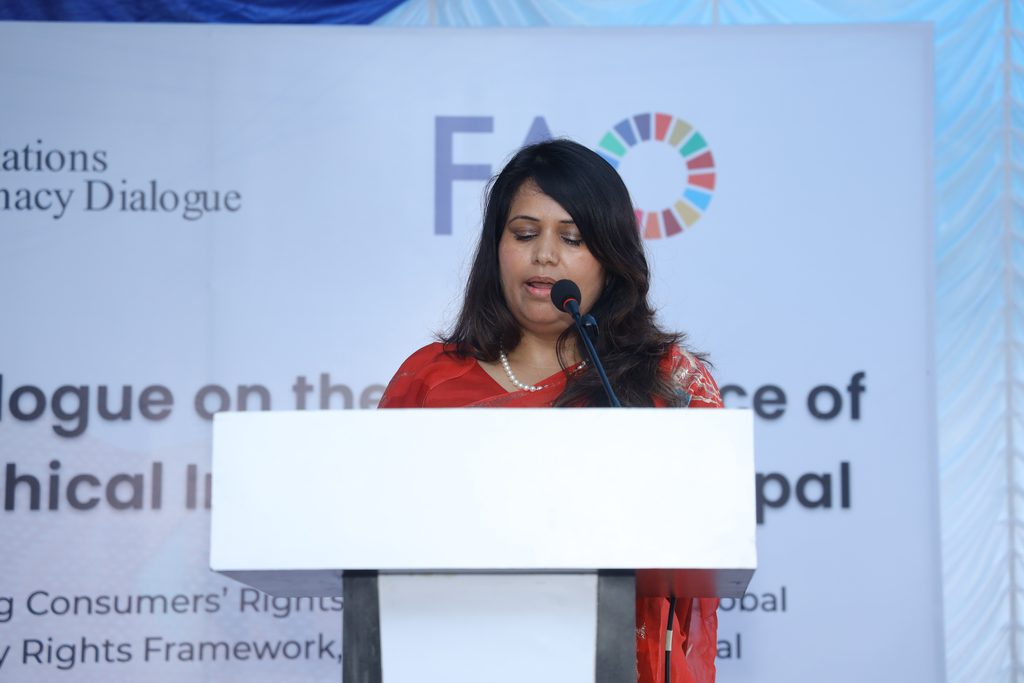
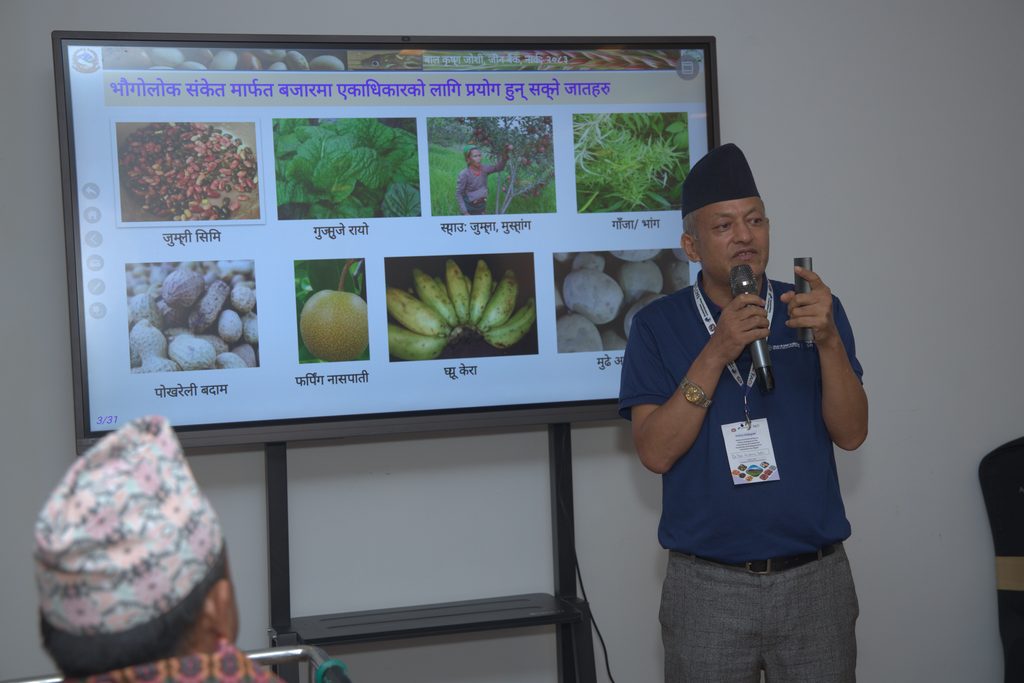
In her welcome remarks, Amb. Dr. Sarmila Parajuli Dhakal, the President of IRGDD, said that Nepal possesses numerous authentic and local products with great potential for GI such as Chyangra Pashmina, Allo, Chhurpi, Jumli Marshi Rice, Large Cardamom, Ilam Tea, Mustang and Jumlali Apples, Palpali Dhaka, Juju Dhau, Lokta Paper, Rudraksha, Bodhichitta Beads, and Himalayan Herbs. Stating that our geography, communities, traditions, culture, and generations of indigenous knowledge are inherently connected with those products she remarked: “However, there is a pressing need to systematically protect their uniqueness and identity, build them into trusted brands in the market, and ensure that local producers and communities receive fair economic rewards.”
Stressing that building a shared national vision on why GIs are crucial for Nepal, she expressed her firm belief that the policy dialogue would look beyond dialogue to bridge gaps, and forge a clear roadmap forward. “We want today’s dialogue to lay the foundation for stronger collaboration among Policymakers, Parliamentarians, Government Bodies, Experts, Producer Groups, Development Partners, Academia, and the Private Sector, and, most importantly, to turn today’s insights into actionable policy recommendations,” Dr. Sarmila said.
Following the inaugural remarks, the dialogue featured extensive deliberations from key leaders on safeguarding Nepal’s indigenous identity and economic interests.
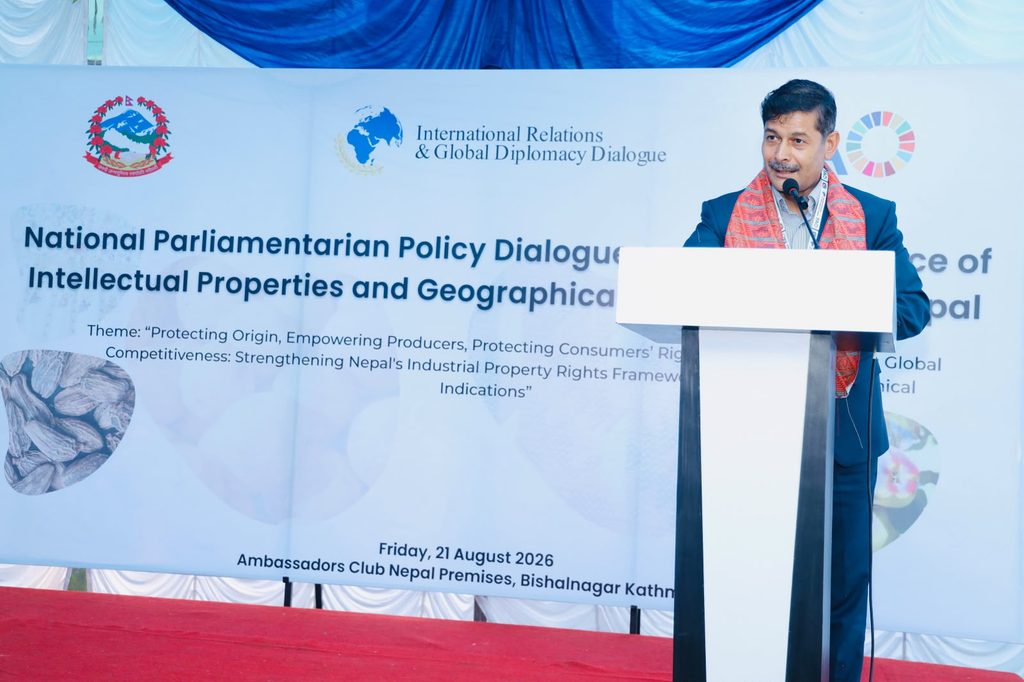
In his remarks, Hon. Bodhanarayan Shrestha, Chairman of the Parliamentary Hearing Committee, noted that while the country discusses prosperity, it is essential to market Nepali products globally with their original identity. He highlighted the need to discuss legal methods to take our identity worldwide. Stating that “Made in Nepal” is just not enough, he emphasized the need to consider the distinctiveness of the seven provinces and 77 districts based on language, culture, and traditions.
He noted that since various countries have registered Nepal’s original products as their own intellectual property, we must find ways to register them in our name through legal reforms. “We must have a result-based action plan,” he said.
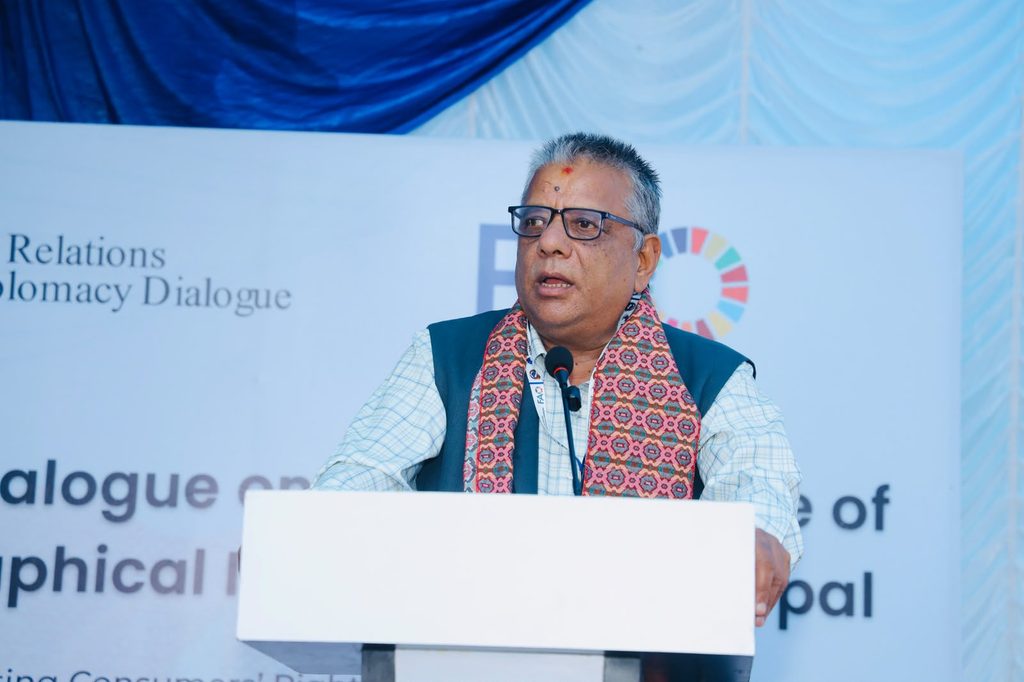
Hon. Bharat Bahadur Khadka, Chairman of the Public Accounts Committee (PAC) of the House of Representatives (HoR), stated that products like Pashmina, carpets, Allo, Marsi rice, cardamom, Ilam tea, Palpali Dhaka, Juju Dhau, Lokta paper, Rudraksha, Bodhichitta, and Himalayan herbs are not just related to the economy. “These products are linked to our geography, history, culture, and traditional knowledge handed down to us through generations,” Chairman Khadka said. “Therefore, we need to consider a serious question today: while Nepal is producing these, have we been able to adequately protect their original identity and rights?”
While laws like the Patent, Design and Trademark Act (1965) and the National Civil Code (2017) have been enacted, he argued, the main issue is whether there is citizen awareness and whether the protection and promotion of products are actually happening. He further emphasized: “It is essential that our products are not just ‘Made in Nepal’ but ‘Origin from Nepal’. For that, coordination and collaboration at the policy, institutional, and implementation levels are necessary and indispensable.”
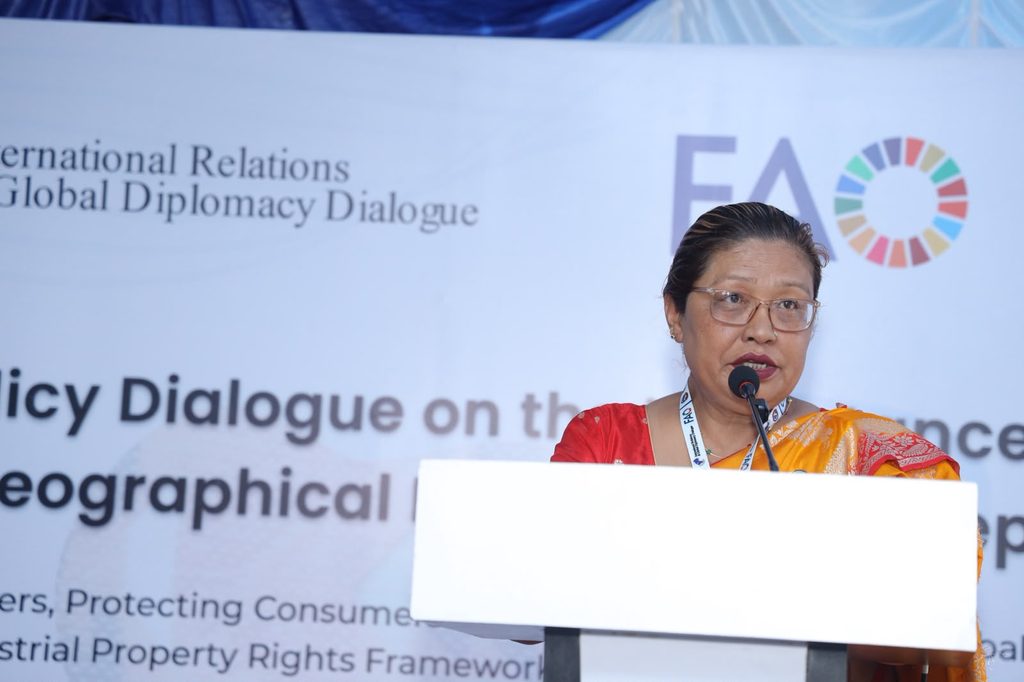
Hon. Basumaya Tamang, a member of the Agriculture and Natural Resources Committee of the House of Representatives, emphasized the need for an agricultural revolution for the country’s economic prosperity. Sharing her experience of accessing international markets with agricultural produce, she suggested promoting products ranging from Karnali’s Marsi rice to Mustang’s crops. She also suggested the need for laboratory testing and quarantine facilities to produce goods of international standards.
Hon. Prakash Singh Karki, a member of the Industry, Commerce, Labour and Consumer Welfare Committee of the House of Representatives, stated that geographical indications can be claimed based on the production of various geographical regions.
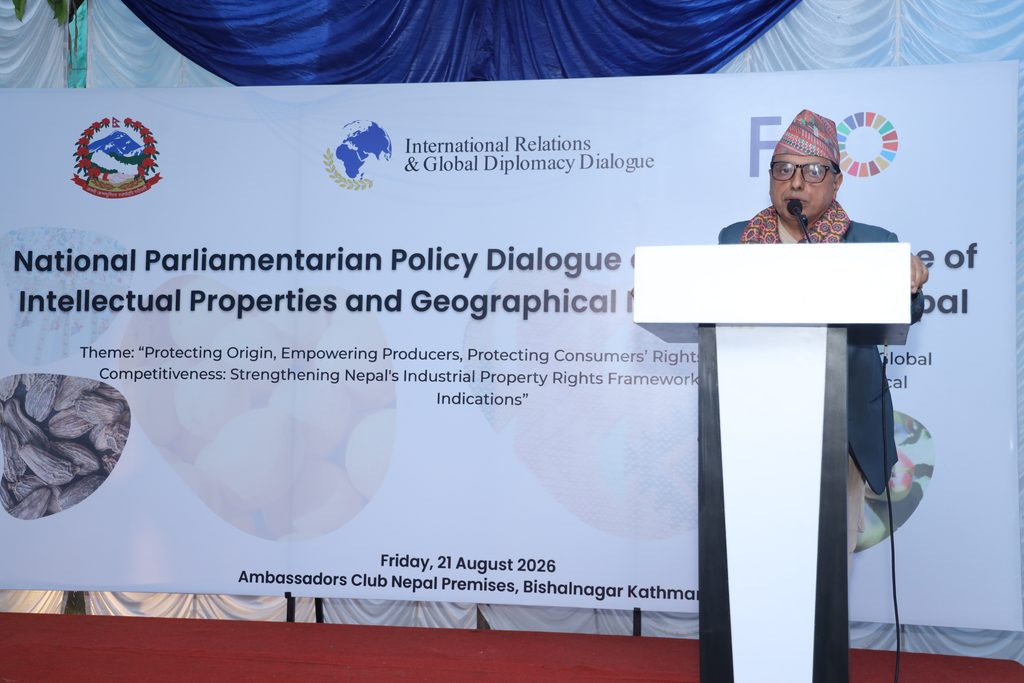
Mr. Pushkar Sapkota, Secretary of the Office of the Prime Minister and Council of Ministers, thanked the organizers for bringing the vital issues surrounding intellectual property and geographical indications to the center of the dialogue.
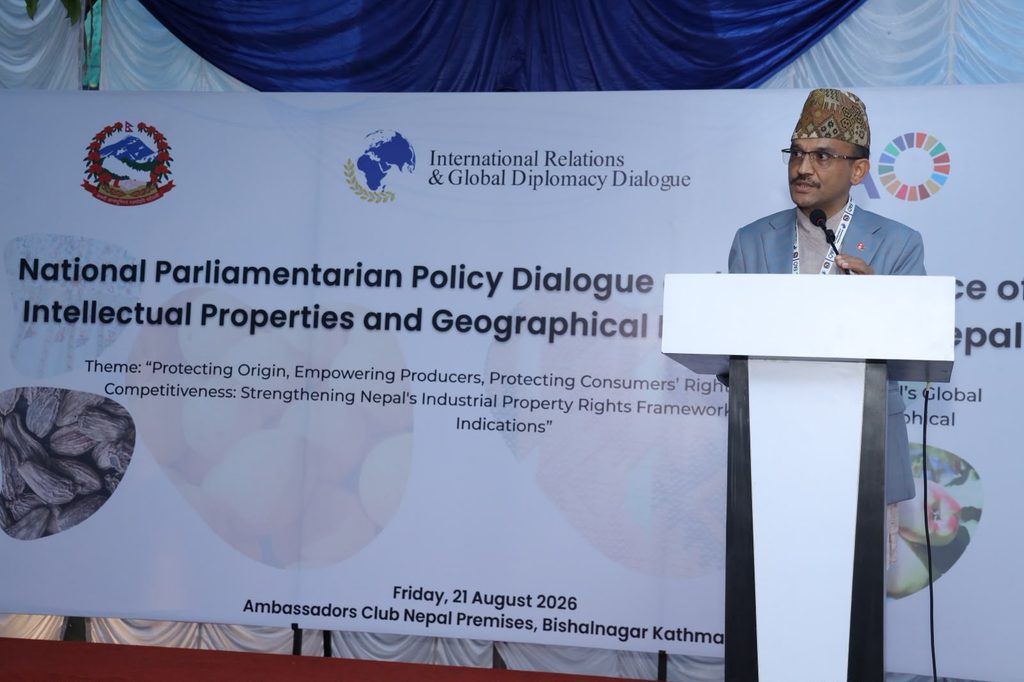
Mr. Narayan Prasad Sharma Duwadi, Secretary at the Ministry of Industry, Commerce and Supplies, stated that the registration of intellectual property and geographical indications is necessary. Noting that new legislation is required, he informed that preparations are underway to present geographical indications as an important asset and to take the matter to Parliament.
Mr. Maheshwar Dhakal, Acting Secretary at the Ministry of Agriculture, Forestry and Environment, highlighted the need for geographical indications for Nepali products and services and suggested ways to increase product quality.
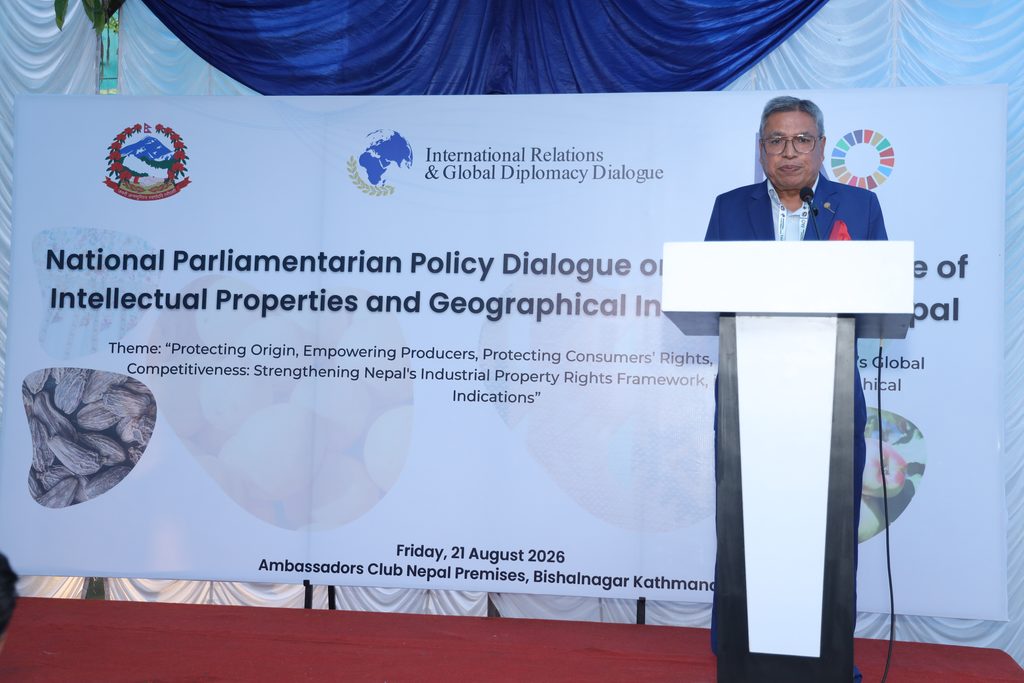
Mr. Kamalesh Kumar Agrawal, President of the Federation of Nepalese Chambers of Commerce and Industry (FNCCI), stated that international competition is now shifting towards brands and distinct identities. “In today’s global economy, competition is not limited to the ability to produce cheaply,” he said. “Competition is now based on knowledge, innovation, originality, quality, brand, technology, and distinct identity. Therefore, Nepal should not just produce goods but move towards protecting, branding, and commercializing the intellectual and geographical value associated with its products.” “Patents, trademarks, copyrights, industrial designs, trade secrets, and other intellectual properties are not just matters of legal rights,” he added concluding, “these are assets that create economic value.”
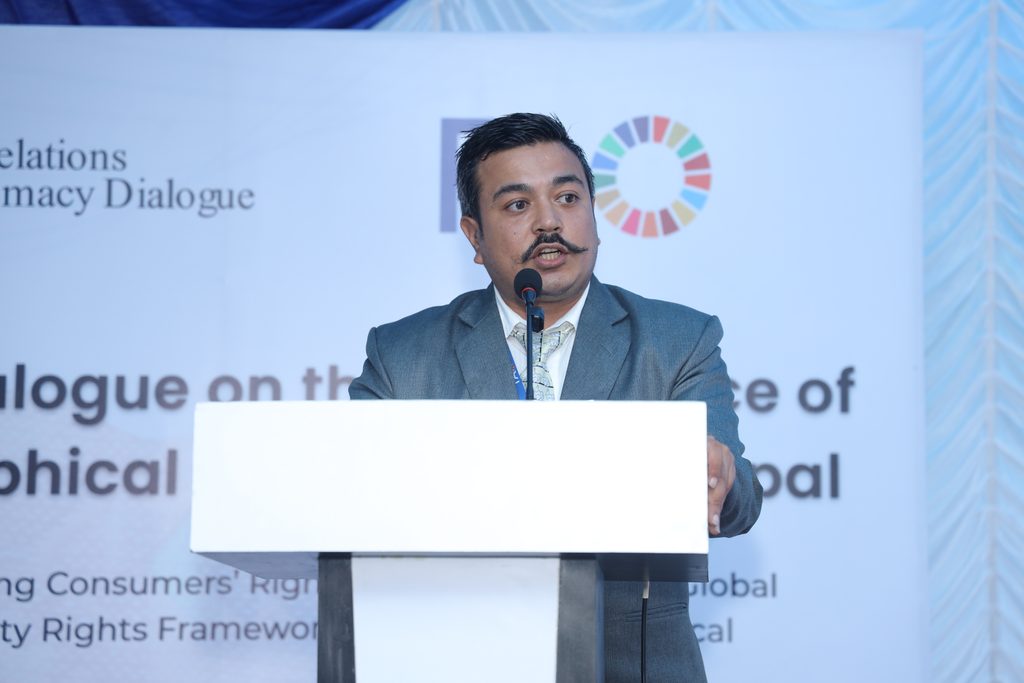
Deepak Tuladhar, Program Manager at FAO Nepal, informed that while three countries in the region—Nepal, Bhutan, and Myanmar—have started discussions on GI, Bhutan has already secured it for four products just last year. Noting that this kind of dialogue is significant, he stated that consumers are more eager to consume products when they know they come from a specific geographical region.
“GI helps not only in the national market but also in accessing the international market,” he said. “Studies conducted by the FAO show that there is high potential for Nepal’s cardamom.” Sharing the experience of how India is moving forward by upgrading its cardamom plants, he suggested that Nepal should focus on similar upgrades while keeping future market demands in mind.
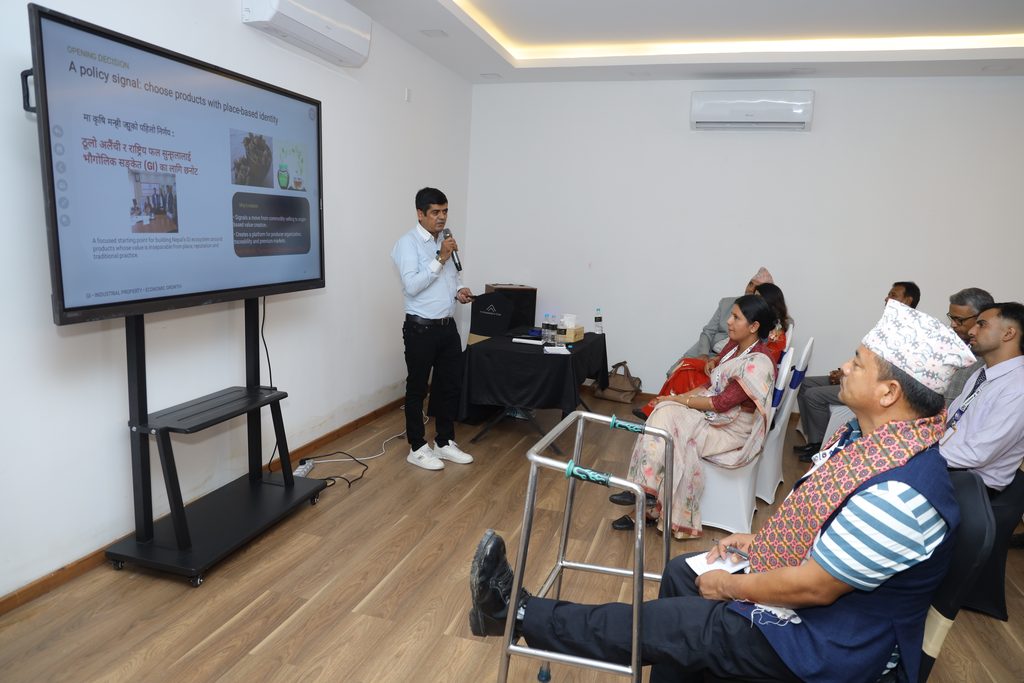
The event featured three comprehensive technical sessions led by prominent experts and policymakers. Dr. Bal Krishna Joshi, Chief Senior Scientist at the National Agriculture Genetic Resources Center (Genebank), NARC, Assoc. Prof. Dr. Laxmi Sapkota, GI Expert and Associate Professor at the Kathmandu School of Law (KSL), Dr. Mani Ratna Aryal, Under-Secretary (Senior Agricultural Economist) at the Ministry of Agriculture, Forests, and Environment, were among the experts who presented papers. The sessions explored the importance of geographical indications for Nepal, the country’s legal, policy and institutional framework for GIs and policy perspectives, economic growth and parliamentary action.