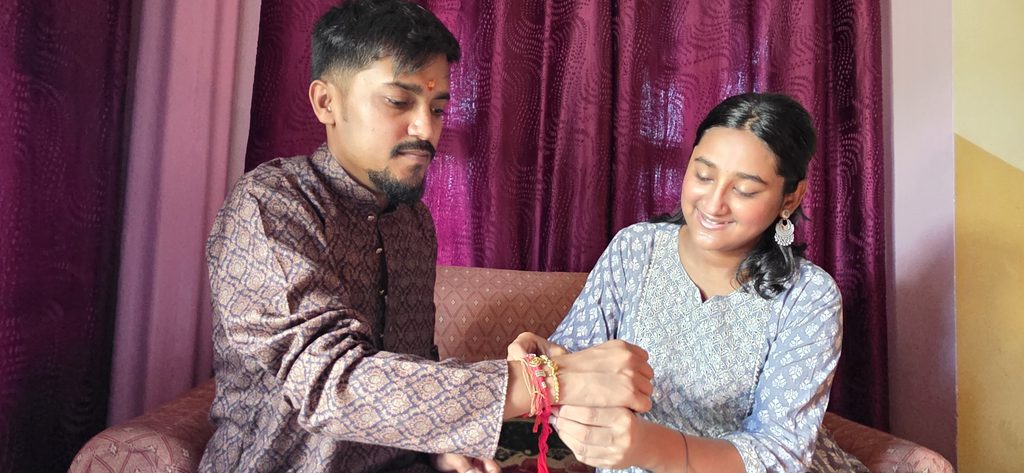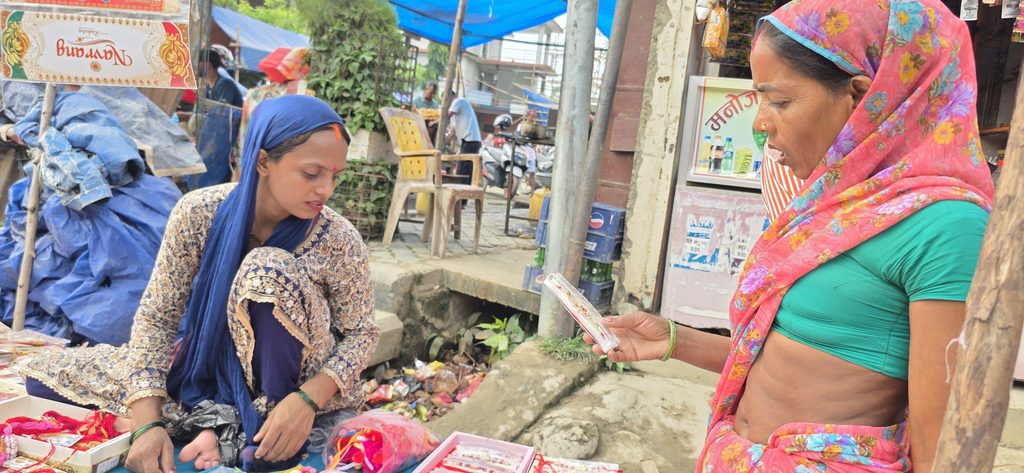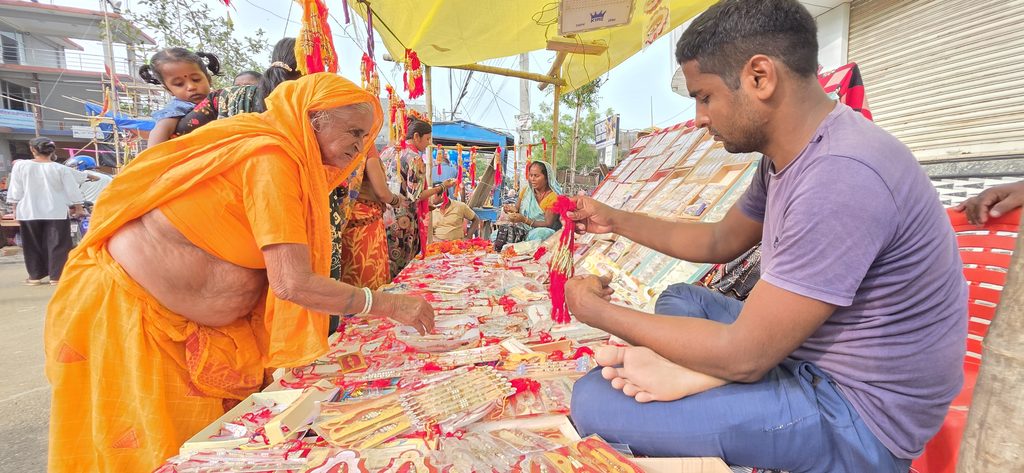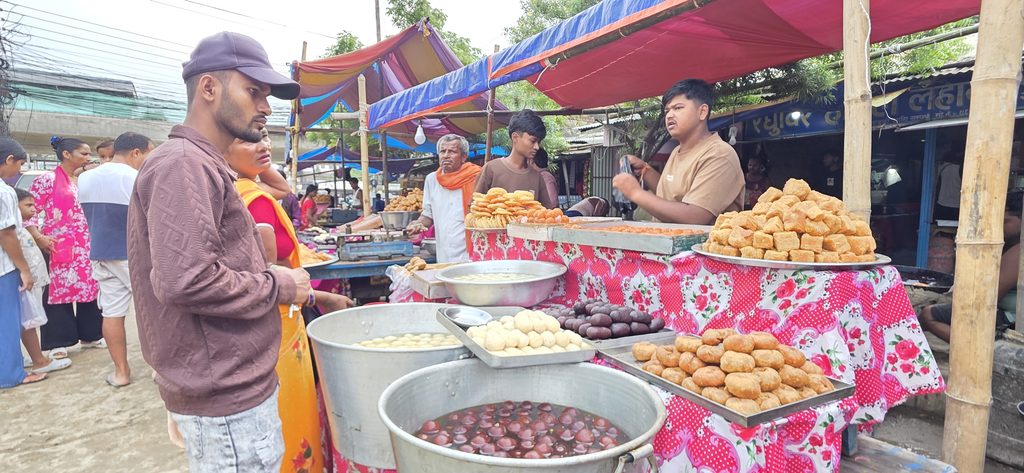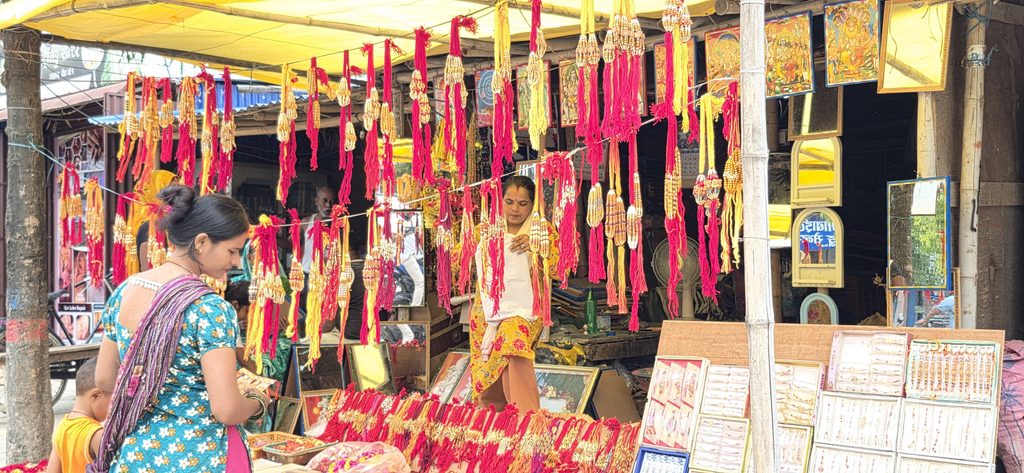
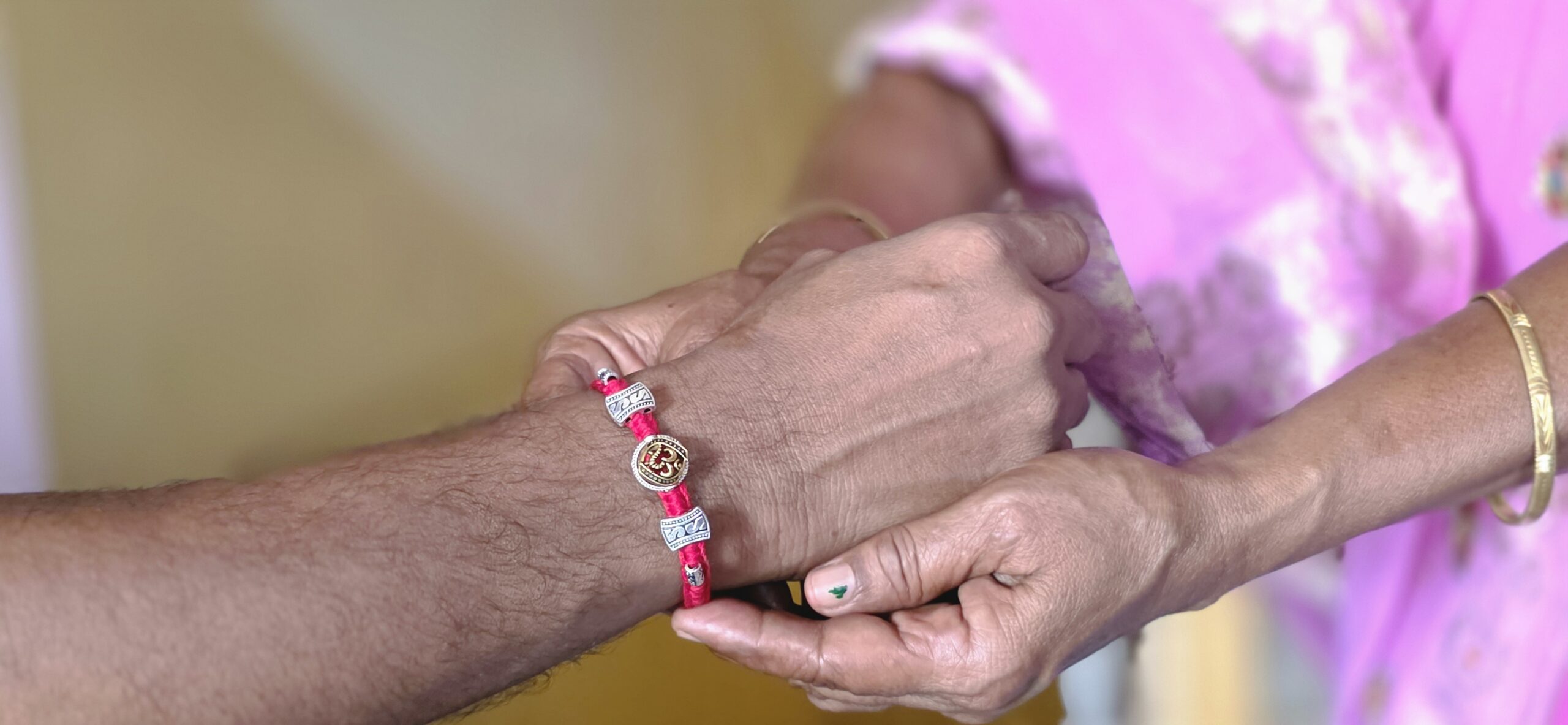
Raksha Bandhan, or Rakhi, in Nepal’s Madhesh and Mithila region is more than just a thread to be tied around the wrist. It symbolizes commemoration of a relationship, an acknowledgment of responsibility and a reaffirmation of the family bond that has endured since childhood. Even if time takes the brothers and sisters to separate homes, families and life paths, a small thread of Rakhi brings them back to the same old courtyard.
The tradition of Raksha Bandhan–’Raksha’ meaning protection and ‘Bandhan’ meaning binding–is believed to be rooted in the ancient cultural traditions of the Indian subcontinent. It is associated with Vedic and Puranic traditions of tying the sacred sutra, or holy thread. Over time, this tradition has developed in different geographical regions and communities, taking on distinctive social and cultural forms.
In the Madhesh and Mithila regions, the relationship between Maiti and Cheli (maternal home and daughter) is considered to be particularly emotional. Even after a daughter moves to the spouse’s home after marriage, the relationship with the maternal home does not end. Instead, it often deepens through memory and anticipation. Rakhi festival serves as cultural bridges to keep these enduring relationships alive.
In the traditional social structure, Rakhi was often associated with a brother’s promise to protect his sister. In today’s context, however, the meaning of protection has expanded to encompass safeguarding each other from external threats while also protecting each other’s dignity, trust, self-esteem and standing by each other through both joy and hardship.
At first glance, Rakhi may look like an ordinary thread but culturally it embodies something far more profound: the enduring bond between sisters and their brothers, and, more deeply, between women and the homes into which they were born.