There is an old Sanskrit saying: Vasudhaiva Kutumbakam, meaning the world is one family. In the aftermath of the devastating floods in Rasuwa on August 26, the world has acted in the spirit of this philosophy. State and nation-state actors alike have come together to offer solace and support to the victims.
Diplomacy is practiced in various contexts. In times of prosperity, countries share in one another’s happiness, exchanging greetings on national holidays and birthdays of leaders. In times of crisis, they share in one another’s sorrows. Since the disaster struck the Nepal-China border, global leaders have expressed sincere sympathy and solidarity with the people of Nepal. From the U.S. President Donald Trump to Indian Prime Minister Narendra Modi to Chinese President Xi Jinping and Premier Li Qiang, many global leaders have voiced their deep concern for Nepal. Numerous Heads of State, Prime Ministers, and Foreign Ministers have sent messages of condolence to the people of Nepal through Prime Minister Balendra Shah and Foreign Minister Sishir Khanal.
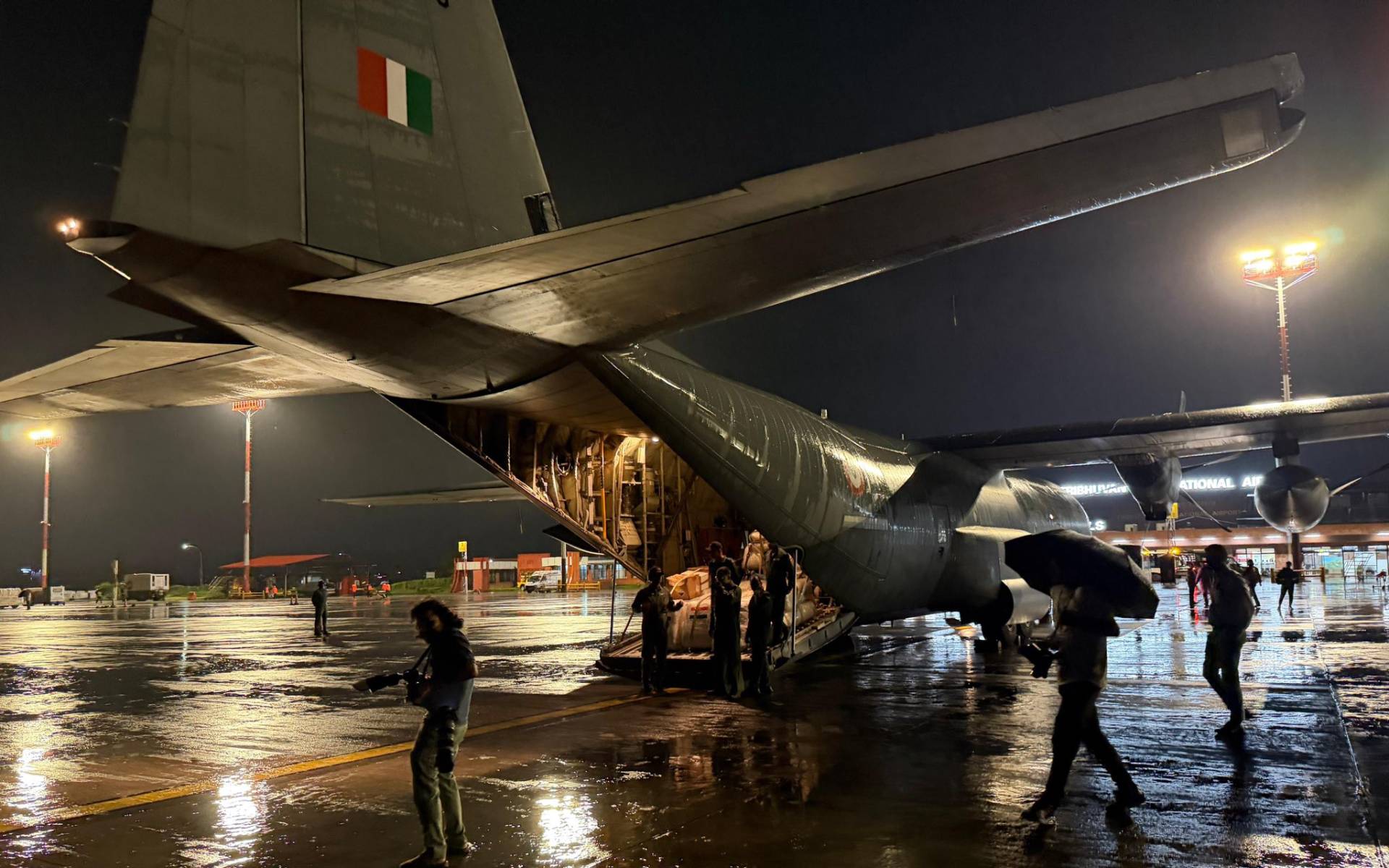
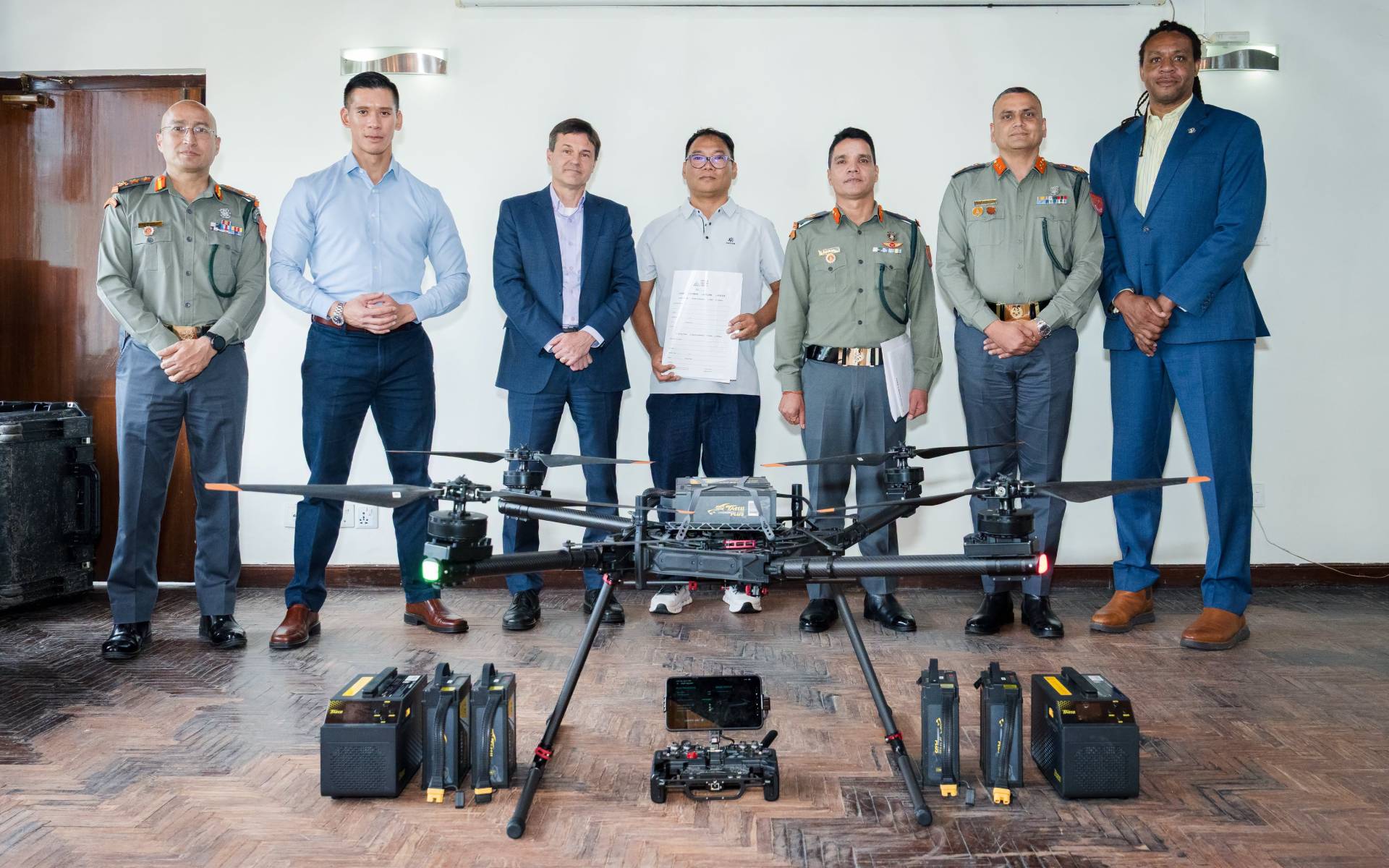
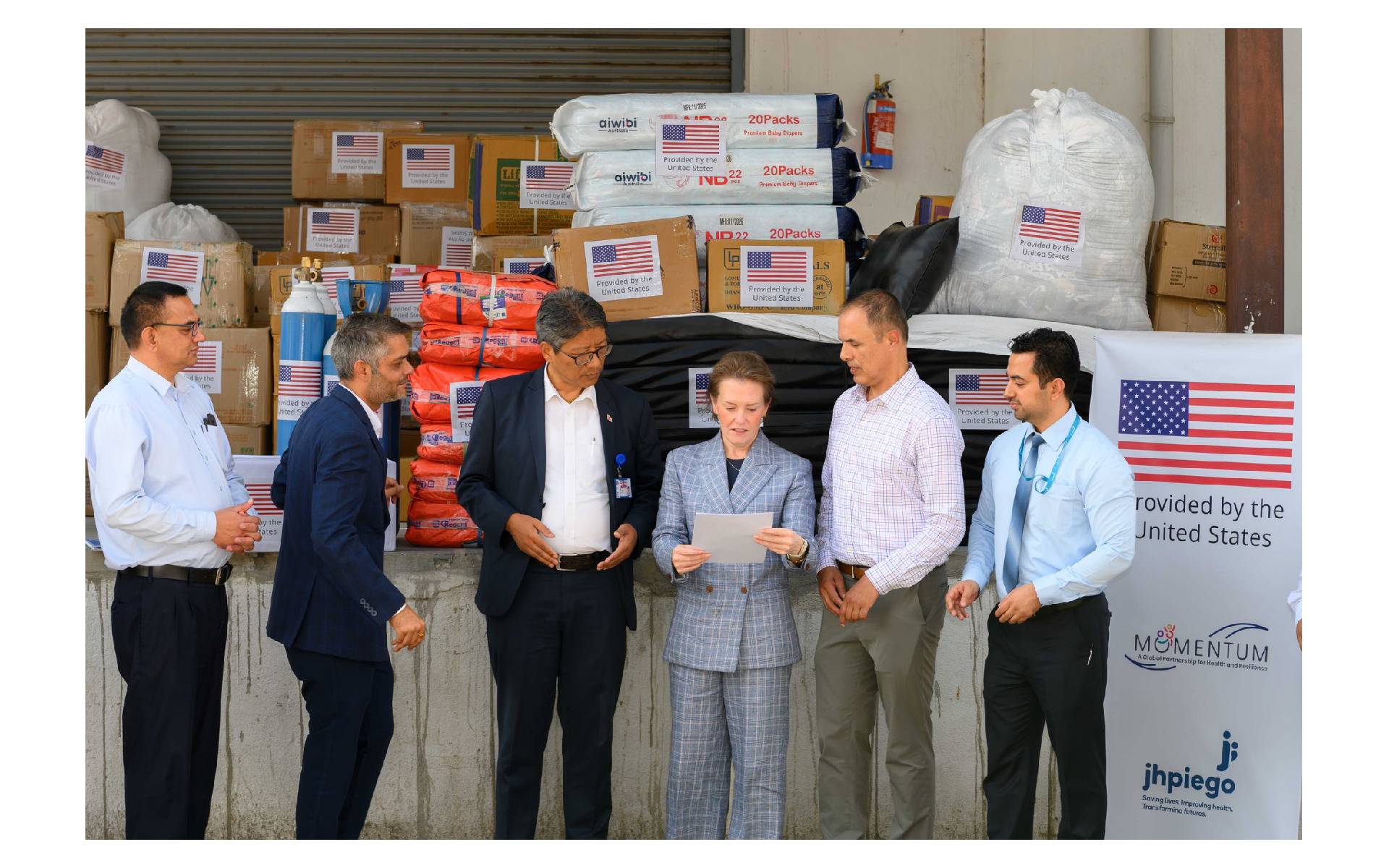
Nepal has received generous support and solidarity from the global community in the face of adversity. The international community stood by Nepal following the 2015 Gorkha Earthquake, and it has once again demonstrated its affection and solidarity for Nepal and its people in this time of national tragedy (see cover story). Our closest neighbors, India and China, have been at the forefront of relief and rescue efforts, while the U.S., Europe, and the Arab world and friendly nations have stepped in to provide further assistance.
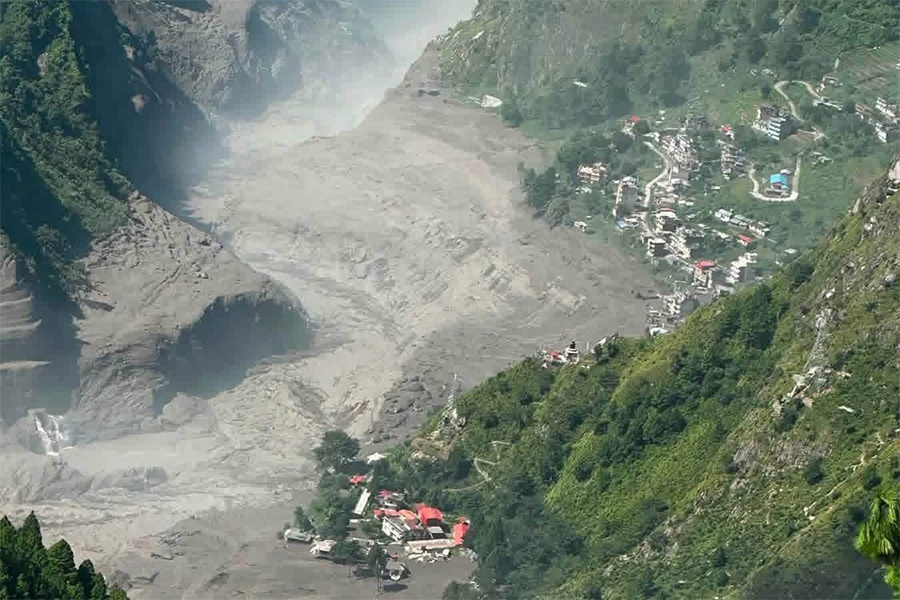
As we write this, the death toll has surpassed 1000, while more than 4200 people remain still unaccounted for. The number continues to rise.
According to a preliminary study by Nepali scientists, the flood that swept through the Bhote Koshi-Trisuli corridor was triggered by a massive ice-rock avalanche in the high Himalayas, rather than by conventional rainfall.
This extraordinary event serves as a stark reminder to the entire world that the climate crisis can no longer be treated as a distant or abstract threat. It compels us to confront the consequences of the reckless exploitation and degradation of nature. For small and developing countries like Nepal, the economic and human costs of such disasters can be devastating, while the capacity to absorb and recover from them remains limited.
This is where diplomacy must rise to its highest purpose. It must help build international mechanisms that strengthen early-warning systems, climate adaptation, disaster preparedness, resilient infrastructure, scientific cooperation, and access to finance for vulnerable countries. It must bridge the gap between those who bear the greatest consequences of climate change and those with the resources and capacity to help address them.
At this moment of profound national grief, The Diplomat Nepal extends deepest condolences to all who have lost their loved ones. Our thoughts are with every affected family and community, as well as with courageous rescuers, security personnel, health workers, volunteers, local authorities, and citizens who have responded with extraordinary courage, compassion, and humanity.
We are equally grateful to Nepal’s international friends and partners for standing with the Nepali people in this hour of grief. We pray for those who lost their lives, hope that the missing be safely reunited with their families, and wish Nepali people will find strength, resilience, and hope to heal, recover and rebuild.