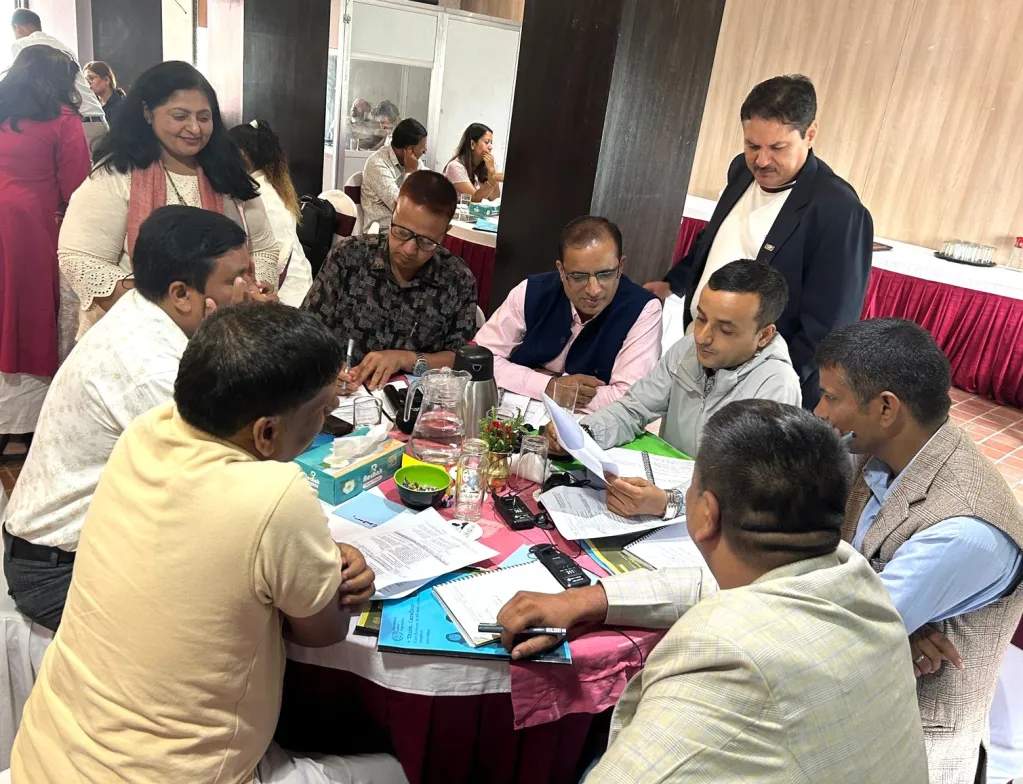
Kathmandu: With the support from the International Labour Organization (ILO), the National Cooperative Federation of Nepal (NCF) launched a national initiative to develop skilled facilitators who will help cooperatives establish and manage care services across the country. The initiative is being implemented under the EU–UN Empowered Women, Prosperous Nepal Joint Programme and the Global Accelerator on Jobs and Social Protection for Just Transitions.
ILO stated that the initiative will strengthen the capacity of cooperative leaders, trainers, government representatives and practitioners to promote and establish care cooperative models. Trained facilitators will support cooperatives to assess local care needs, design appropriate services, and strengthen community-based care systems.
Furthermore they emphasized that care cooperatives offer a community-led approach to expanding access to affordable, quality care services while creating opportunities for decent work in the care economy. They also enable families to participate more fully in paid employment by improving access to reliable care services and redistributing unpaid care responsibilities within communities.
The approach is being piloted in Madhesh, Karnali and Sudurpashchim provinces, where cooperative-based care services are expected to contribute to stronger livelihoods, improved access to care, and more inclusive local economic development.
ILO also mentioned that the initiative seeks to increase recognition and support for care workers while improving access to reliable care services for families. By reducing unpaid care responsibilities, it also aims to expand women’s opportunities for income generation, skills development and leadership.
The programme draws on the ILO’s Think.CareCOOP and Start.CareCOOP Training of Trainers (TOT) tools, which help cooperatives and stakeholders understand, design and establish cooperative-based care services. These training programmes will strengthen national capacity to develop sustainable care solutions that benefit care workers, families and communities over the long term.
Rapid organizational assessments and provincial consultations in Madhesh, Karnali and Sudurpashchim provinces helped build interest in care cooperatives and secure stakeholder commitment.