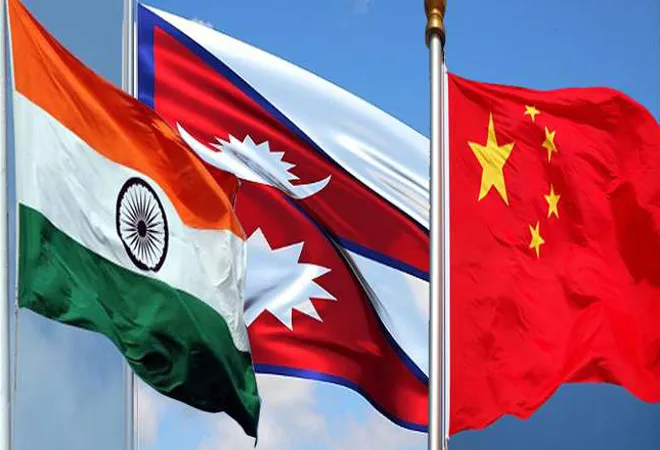
June 2026 proved to be a demanding month for Hon. Foreign Minister Shisir Khanal, who undertook consecutive high-profile visits to India and China. Maintaining a good relationship with these two neighboring countries has long been a foundational pillar of Nepal’s foreign policy. It is in Nepal’s interest to cultivate cordial bilateral ties with both.
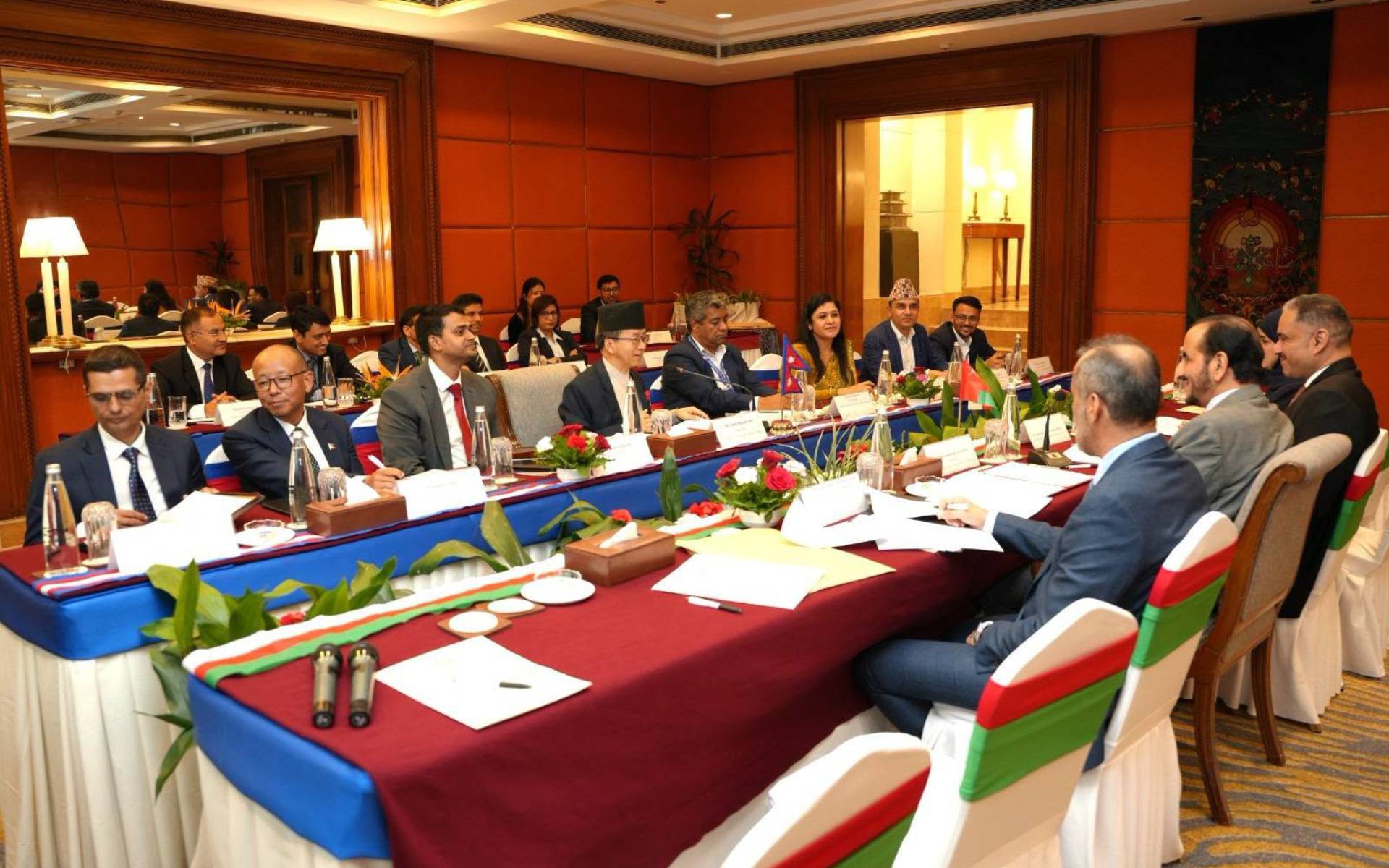
Minister Khanal’s diplomatic visits followed closely on the heels of an official visit to New Delhi by Rabi Lamichhane, President of the ruling Rastriya Swatantra Party (RSP), from June 1–5. Lamichhane’s trip was focused on party-to-party dialogue, exploring the contours of development diplomacy, and engaging with senior Indian leaders. Immediately afterward, Minister Khanal traveled to New Delhi from June 5–7 for high-level deliberations that have effectively set the tone for the next chapter of Nepal-India relations. His well-articulated delivery earned rare and widespread domestic praise, making him one of the few foreign ministers in recent memory to return home to immediate national applause. Khanal presented Nepal’s perspective with notable pragmatism and balance. He successfully shifted the focus toward economic transformation, growth, and bilateral collaboration.
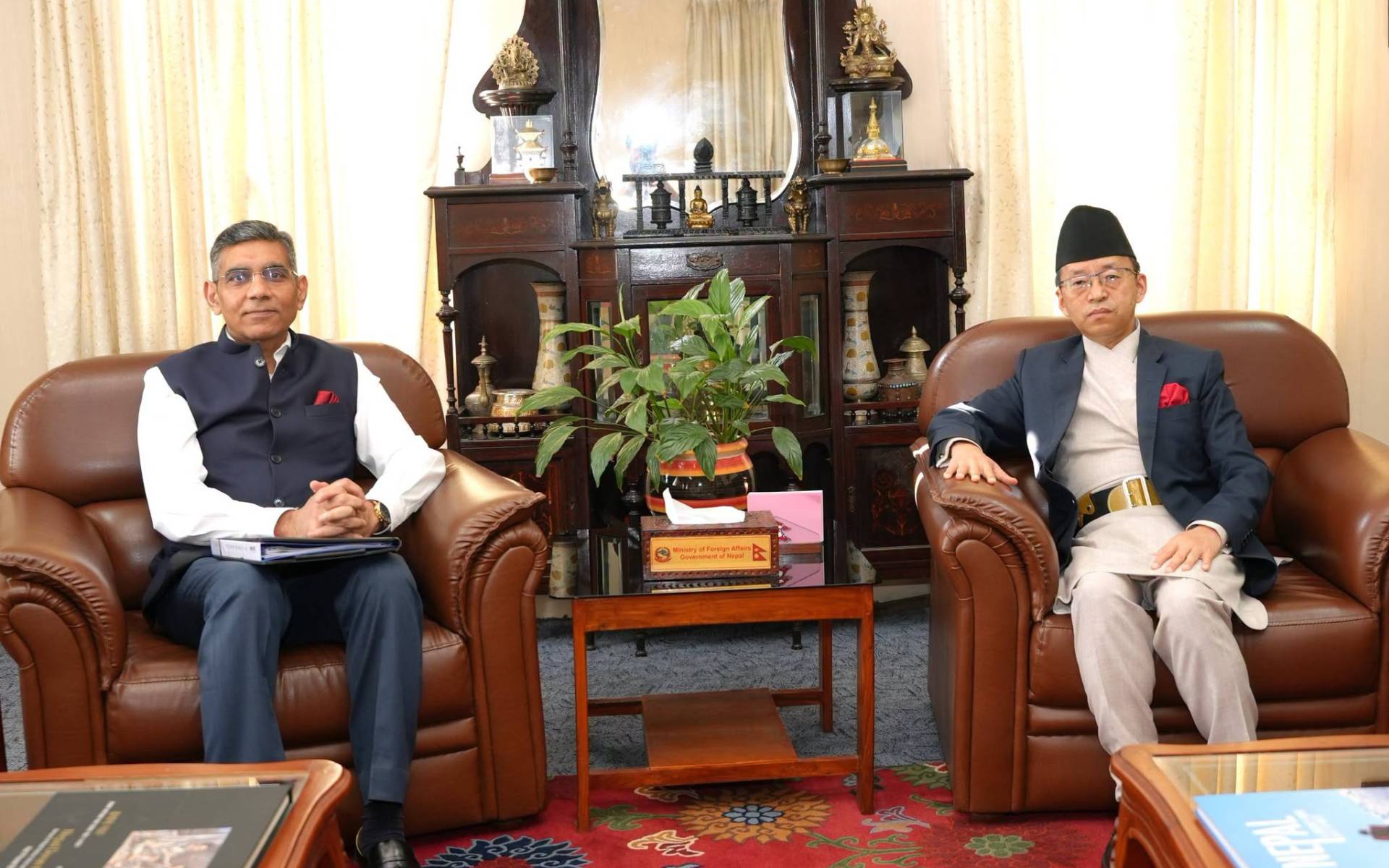
Following his New Delhi trip, Minister Khanal then departed for Beijing, where he stayed from June 14–17. During his meetings in China, he successfully articulated Nepal’s position and priorities. According to official statements from the Ministry of Foreign Affairs, Nepal reaffirmed its unwavering commitment to the “One China” principle and reassured Beijing that Nepali territory would never be used for anti-China activities. In return, the Chinese leadership reiterated its firm commitment to Nepal’s sovereignty, independence, and territorial integrity, pledging full support for the government’s priorities of economic growth and good governance.
The true diplomatic excellence for Nepal will be when we pursue dynamic, multidirectional engagement with both neighbors. The nation must also speak with a single, unified voice on international affairs. Nepal cannot afford enmity with any global power. Strong diplomatic relations are vital to our progress.
Development and economic growth are the ultimate measures of success, and our diplomatic engagements must be focused on this reality. Nepal should actively leverage the Trans-Himalayan Multi-Dimensional Connectivity Network with China while simultaneously optimizing connectivity and power trade agreements with India.
During the Beijing visit, Chinese Foreign Minister Wang Yi reinforced the importance of neighborly relations by mentioning ‘a close neighbor is better than a distant relative.’ This sentiment captures precisely the direction Nepal must pursue. Minister Khanal’s back-to-back visits successfully reassured both nations of our enduring friendship.
As of this writing, Rt. Hon. Prime Minister Balendra Shah has not yet planned a foreign trip, but with the visits of President Lamichhane and Minister Khanal to New Delhi, followed immediately by Khanal’s visit to Beijing, the administration has projected goodwill, pre-empted misunderstandings, if any, and established a constructive diplomatic environment.
Our geopolitical conditions demand that we remain measured in our actions and engagements with neighbors and friends beyond neighborhood. As one of the oldest nations in the region, Nepal must draw upon its rich diplomatic traditions and historic resilience to chart its own sovereign path, with confidence and purpose.
Guna Raj Luitel
Editor
The Diplomat Nepal