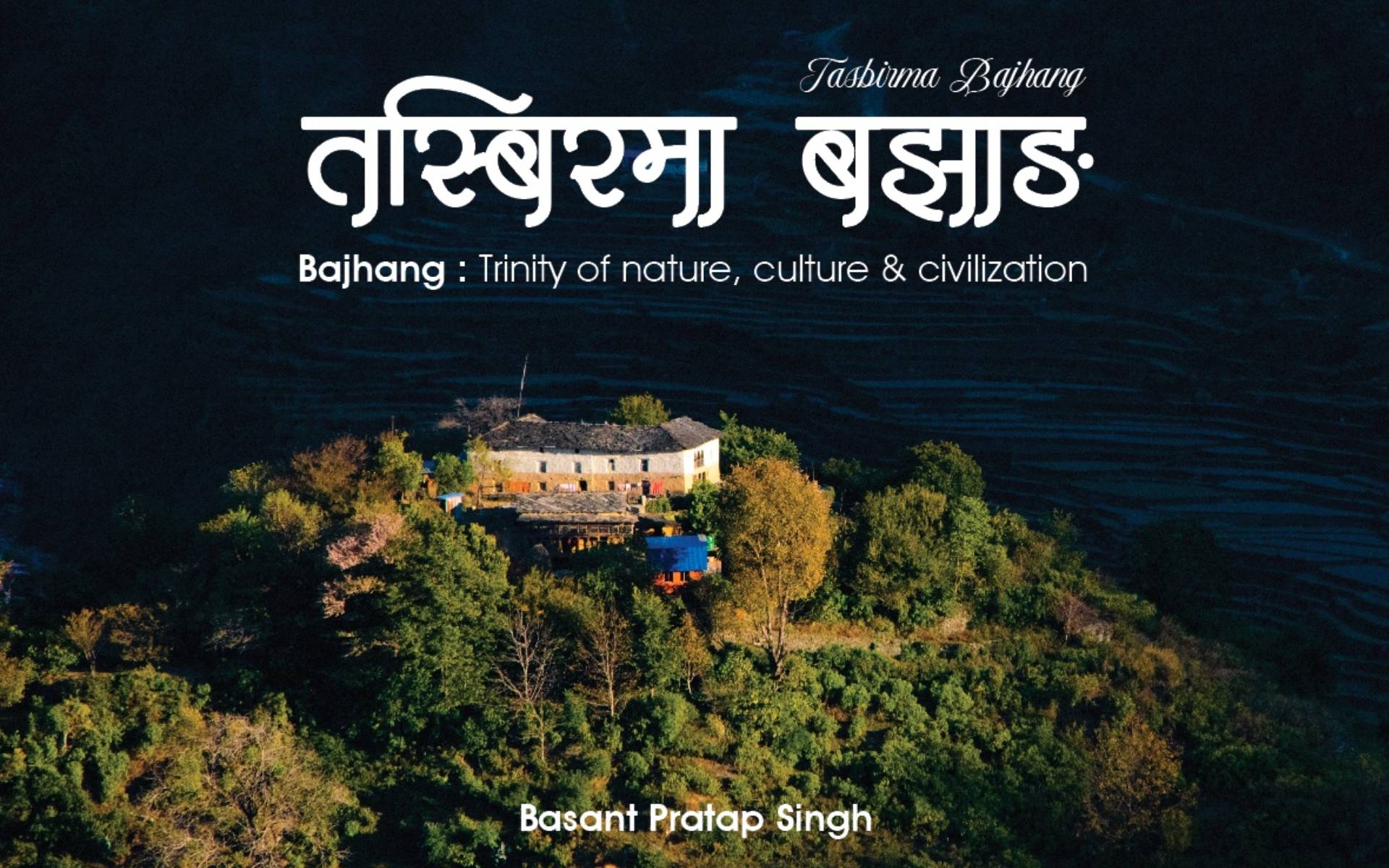
Journalist Basant Pratap Singh creates a sense of depth and mystery from the cover page of his photobook, ‘Tasbirma Bajhang’ (Bajhang in pictures in English), where lush greenery surrounds an ancient structure on a dark-textured background. It sparks your curiosity at first glance and pulls you in. Once you pick it up and touch it gently, it feels impossible to put down without turning the shining pages, from front to the last. You can visually travel throughout Bajhang with the everyday life of locals, traditions, rituals, ancient architecture, and geography.
I encountered this book a couple of months ago.
The cover photo of Talkot Palace is taken from page 31. The interesting thing is that the tradition of a cultural king still exists in the palace. This tradition has been practised especially during Gaura, Dashain, and worship ceremonies.
The author carefully documents strong visuals, captions, and narrative elements that challenge how Bajhang has long been seen, spoken about, and represented in mainstream discourse as backward or deprived. However, he does not deny geographic and economic hardships.
“How many nights did I sleep in tents, caves, open spaces, or under trees? It would take time to count them,” he says. “Now, being able to publish as a photobook makes me happy, which I want to express to the world.” The book was published in June of this year.
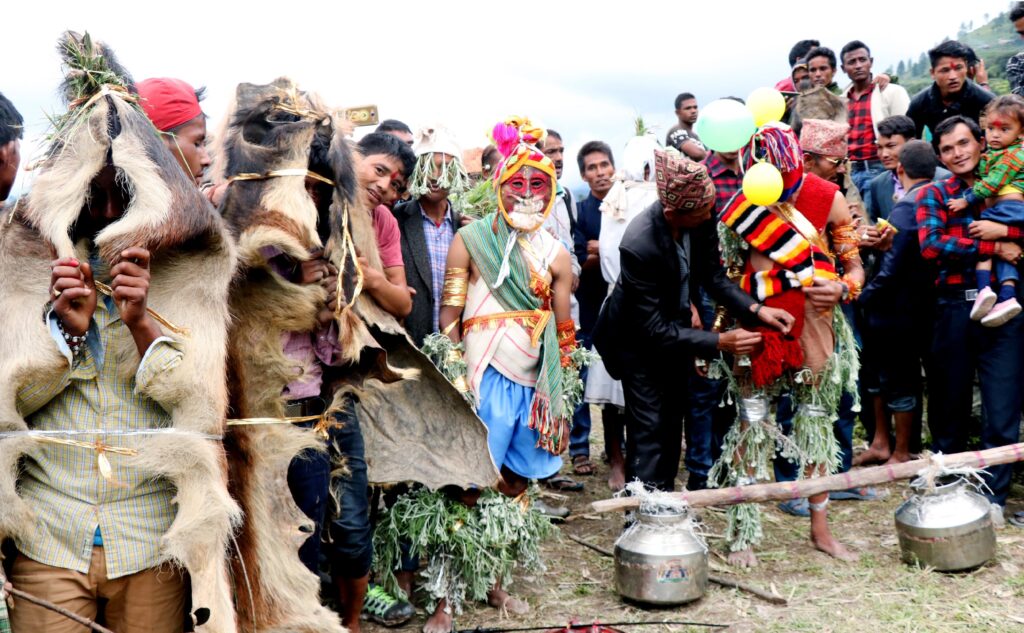
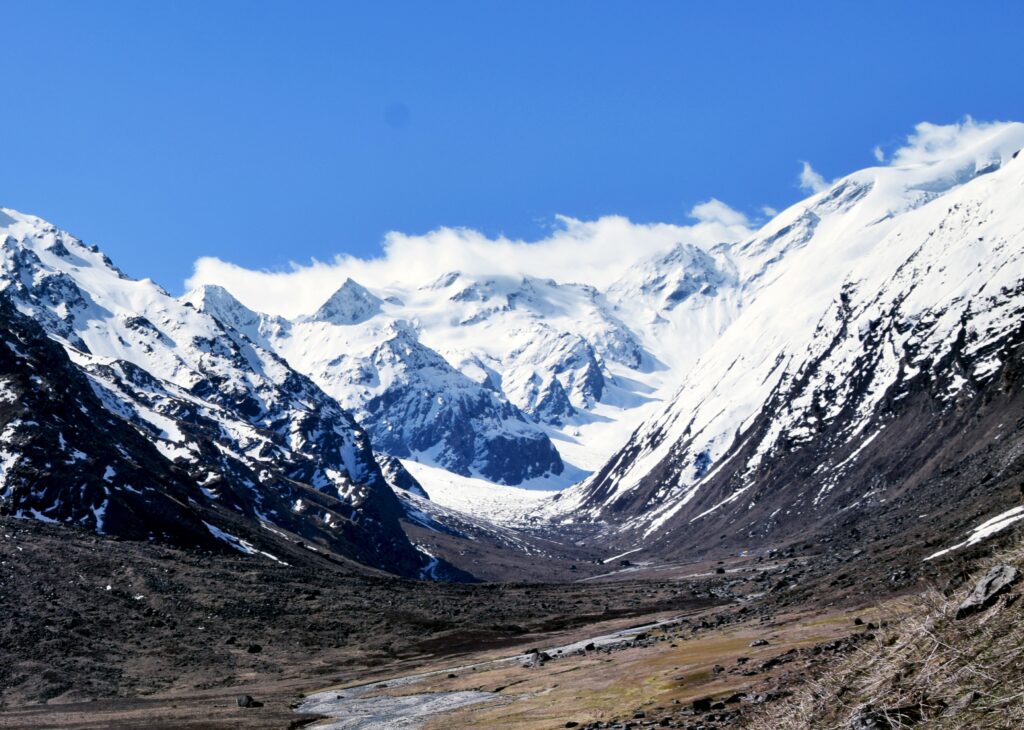
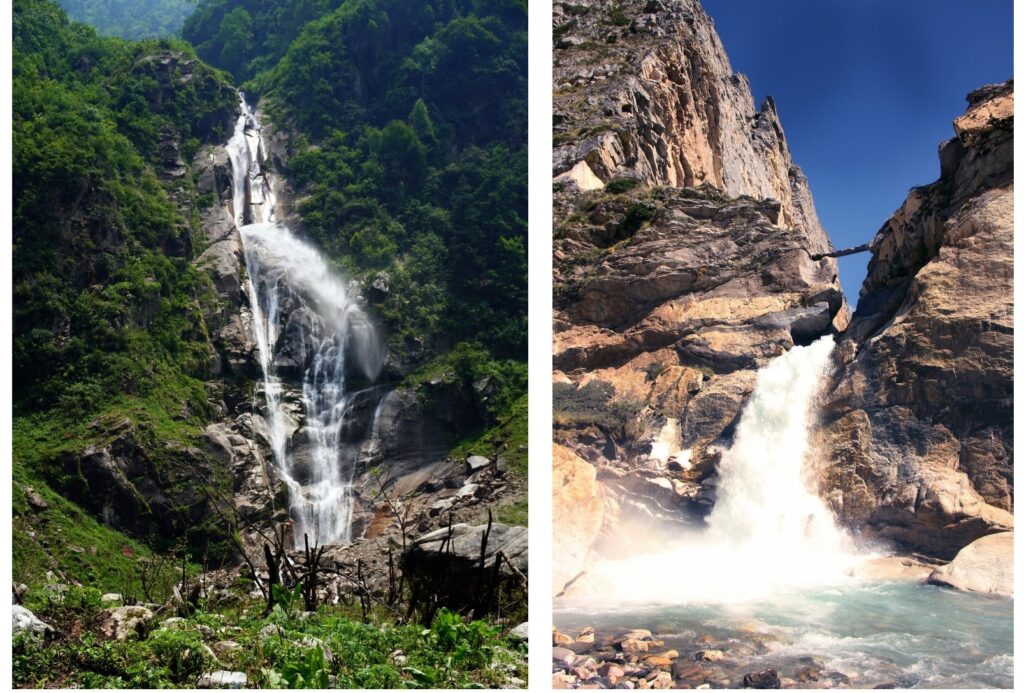
Every flip explores landscapes and lives such as snow-covered mountains, glaciers, rivers, waterfalls, natural hot water sources, pastures, shepherds, ancient trade routes, honey hunting, farming, traditional settlements, customs, cultures, and rituals, which the author captured throughout his two decades of field reporting across the district. Though Bajhang is more than a photobook, this book is an initiation of a visual archive for a history project. It has Nepali and English captions and descriptions. Varieties of photographs, including collages, carry emotional attachment.
In 2023, he introduced Saipal mountain, the highest peak of Bajhang at 7,031 metres. This book is more than that.
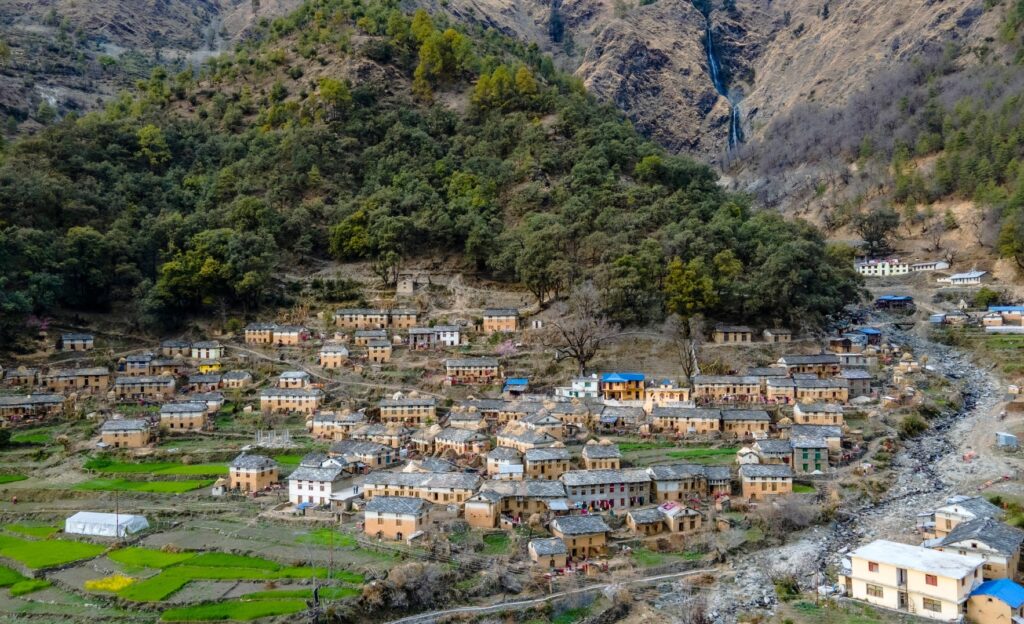
Here, author tells a visual tale across all 12 local bodies from Saipal to Bungal. Each one has its own identity. Its climates range from subtropical riverbanks to mountains. Its cultures stretch from Masto civilisation to Buddhist-Hindu syncretism. Its livelihoods move between livestock rearing, farming, trade, and spiritual economies. Bitthadchir Rural Municipality is being a gateway to Bajhang district borders the neighbouring district of Baitadi.
Especially, Saipal, Surma Sarovar, Khaptad, Masta, and Chhabispathivera chapters show that nature, faith, and civilisation coexist. The pictures of pilgrimage routes, sacred lakes, ancient temples, and seasonal festivals like Gaura, Bisu, Bhuwo, and Bhasso inform readers that Bajhang has a historically rich diversity.
It captures many mountains and peaks such as Saipal, Arya, Jethi Bahurani, Nampa, Yoga, Byasimare, Rakse, Dhanseri, Gaisera, Chadeshikhar, and Sunkhani. Urai Pass is one of the major trade routes to Tibet.
Not only the well-known tourist destination Khaptad National Park is captured here, but many more under-recognised destinations are also archived, author has uncovered through the lens. Local bodies are developing mountaineering and trekking infrastructure around Saipal, Surma Sarovar, and other destinations.
Bajhang is the birthplace of Jayaprithvi Bahadur Singh, a national hero and well-known humanist of Nepal. He contributed to educational, judicial, and administrative reforms. He is known as the ‘Second Lord Buddha’, and his messages are relevant for promoting humanity and peace even today.
This 200-page book is a must-read for researchers, educators, policymakers, travellers, and younger generations.
(All the pictures are from the book.)