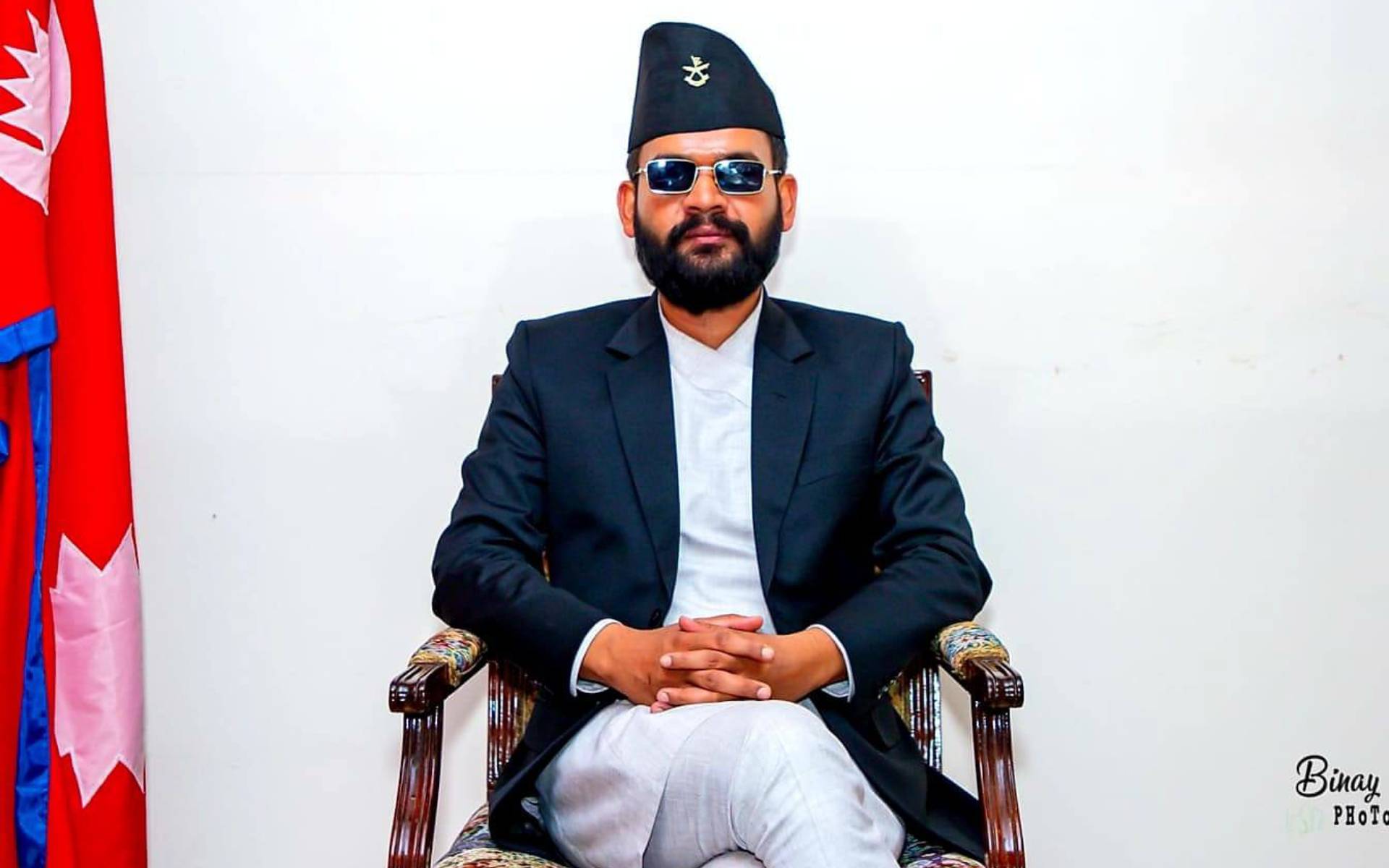
After the Gen-Z uprising in Nepal in September 2025, the parliamentary election has given Nepalis a major responsibility: entrusting the four-year-old Rastriya Swatantra Party (RSP) and its 36-year-old senior leader, Balendra Shah, popularly known as Balen, as the country’s new Prime Minister.
Former Mayor of Kathmandu Metropolitan City and popular rapper-turned-politician Balen, along with his young party, the RSP, which was formed in 2022 by former journalist Rabi Lammichhane, swept the March 5 election, winning almost two-thirds of the seats in the House of Representatives.
Out of 275 members, the RSP won 182 seats—125 under first-past-the-post and 57 through proportional representation—giving it nearly a two-thirds majority in the House. This is the highest number of seats won by any party in the past 35 years, since 1990. Before that, Nepal’s only two-thirds majority government was elected in 1959, led by Nepali Congress President B.P. Koirala.
The RSP’s historic landslide not only swept aside regional and smaller parties but also dealt a major blow to traditional forces such as the Nepali Congress, CPN-UML, and the Nepali Communist Party.
The election brings immense challenges—and numerous opportunities—for the new government. Many long-pending problems now also represent a chance for new leadership to deliver, both through domestic reforms and a more confident external posture.
Internally, the government can tackle issues neglected for years by older parties, especially in service delivery and day-to-day governance that directly affects citizens. A youth-led administration can accelerate digitisation, making public services more accessible and reducing bureaucratic delays. Upgrading education and health services must also be a core priority.
The new government can also take credible steps to reduce corruption, which would strengthen the investment climate for both domestic and foreign capital. At the same time, it would be premature to pursue major constitutional changes, which could open new fault lines. Instead, the focus should be on visible, practical improvements that demonstrate why voters chose this government.
Externally, Nepal must pursue a balanced, non-aligned foreign policy, as outlined in the 2015 Constitution. The government should also manage relations carefully with other major powers, including the United States, and with key labour-destination countries. Building trust with neighbours and international partners will be essential.
In a volatile global environment, Nepal should prioritise economic development and investment over security-driven or strategic entanglements. Before joining any new initiatives or alliances, the government must proceed cautiously: one misstep could carry serious consequences. Strengthening Nepal’s diplomatic outreach through the United Nations remains a critical path.
The government made public a 100-point agenda for governance reform on March 28, which was endorsed by the first cabinet meeting of the Balen government on March 27. These points have created a buzz in society, with many stating that if these reforms are implemented, the Nepali people will benefit. For now, we have five years to observe the government’s plans, policies, and implementation.
In conclusion, given the trust and support Nepalis have given the RSP and the Balen government, there is little room for excuses if they fail to meet public expectations and aspirations.