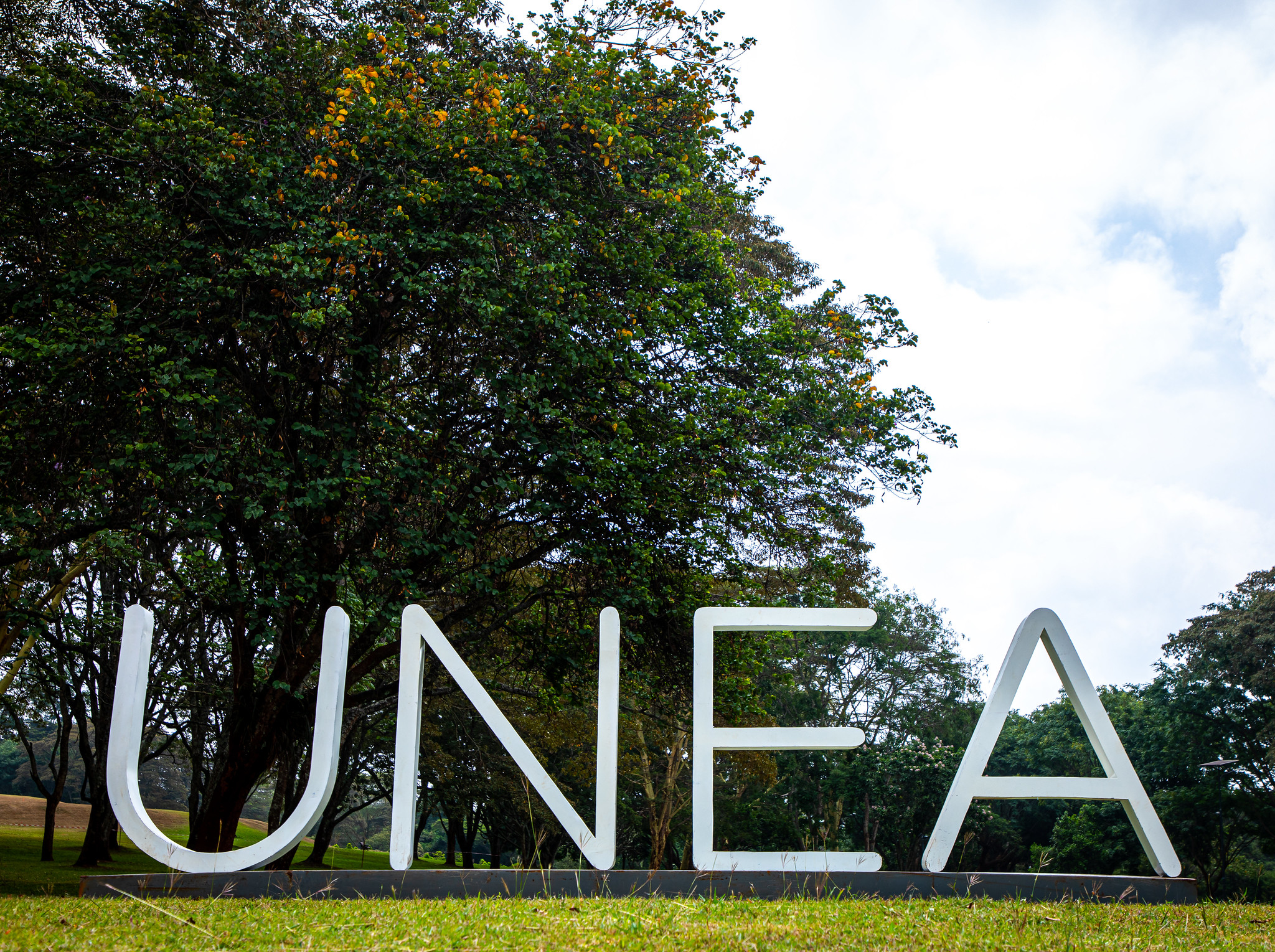
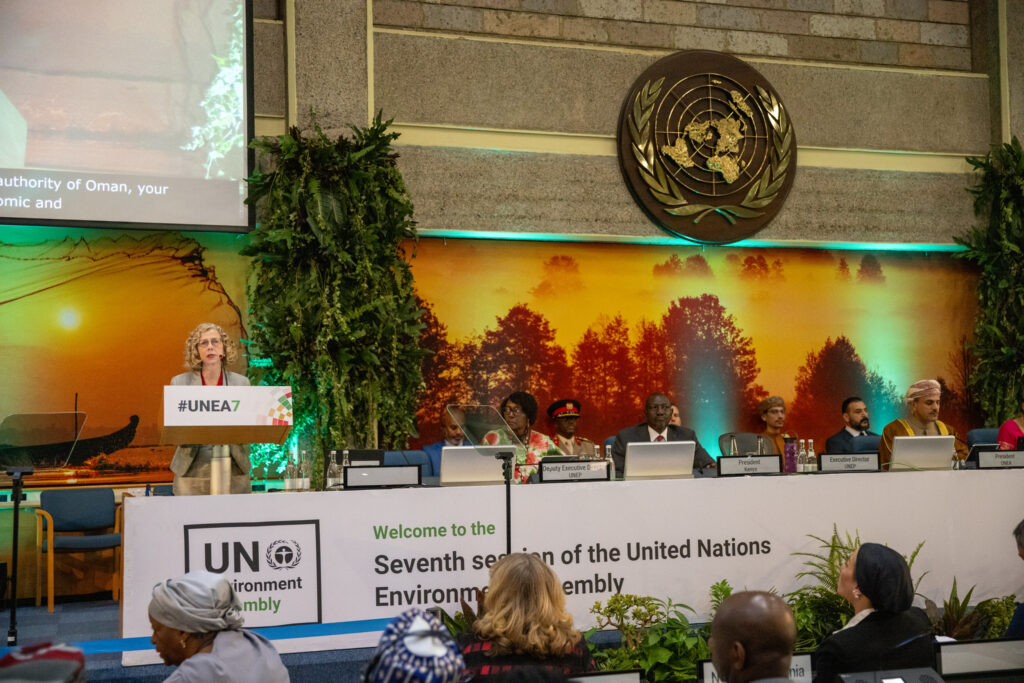
More than 6,000 people from 186 countries registered for the Seventh Session of the United Nations Environment Assembly (UNEA-7), held from 2 to 12 December 2025 at the headquarters of the UN Environment Programme (UNEP) in Nairobi, Kenya. The week-long meeting focused on finding solutions to the world’s growing environmental problems, often described as the triple planetary crisis of climate change, loss of nature and biodiversity, land degradation, and pollution and waste.
The assembly concluded with three major decisions and the adoption of 11 resolutions. However, the United States, one of the main financial contributors to the United Nations, did not adopt these decisions and resolutions.
Among the key decisions were the reaffirmation of UNEP’s role as the leading global environmental authority, the need for an integrated approach linking climate change, biodiversity, land and desertification, chemicals, waste, and pollution, and a strong focus on cross-sector solutions to address interconnected environmental challenges. The assembly also stressed UNEP’s commitment to delivering measurable results.
Lars Stordal, Strategic Lead, External Relations and Policy, at GRID-Arendal, said the discussions reflected both growing pressure and continued cooperation. “The discussions at UNEA-7 showed the many pressures facing the global environmental agenda, but they also demonstrated that environmental multilateralism remains strong. UNEA continues to be a crucial space where countries come together to make decisions that affect the global environment,” he said.
Despite many tensions during the final stages of negotiations, UNEA-7 delivered an important outcome for developing and mountain countries such as Nepal. The assembly adopted a resolution on the ‘Preservation of Glaciers and the Broader Cryosphere’, drafted by Tajikistan. This decision, often referred to as the mountain agenda, is seen as a major step for countries dependent on fragile mountain ecosystems.
Lars Stordal said the resolution sends a strong signal. “The decision on mountains and glaciers highlights the urgent need to protect some of the world’s most fragile, yet most important, ecosystems,” he said.
Nepali environmental expert Medani P. Bhandari, who was involved in preparing the draft while serving as a facilitator from North America, said the outcome was positive for Himalayan countries. “I could not speak from Nepal’s side because I was representing another group, but as a Nepali citizen, I believe this is a positive sign for Nepal,” he said.
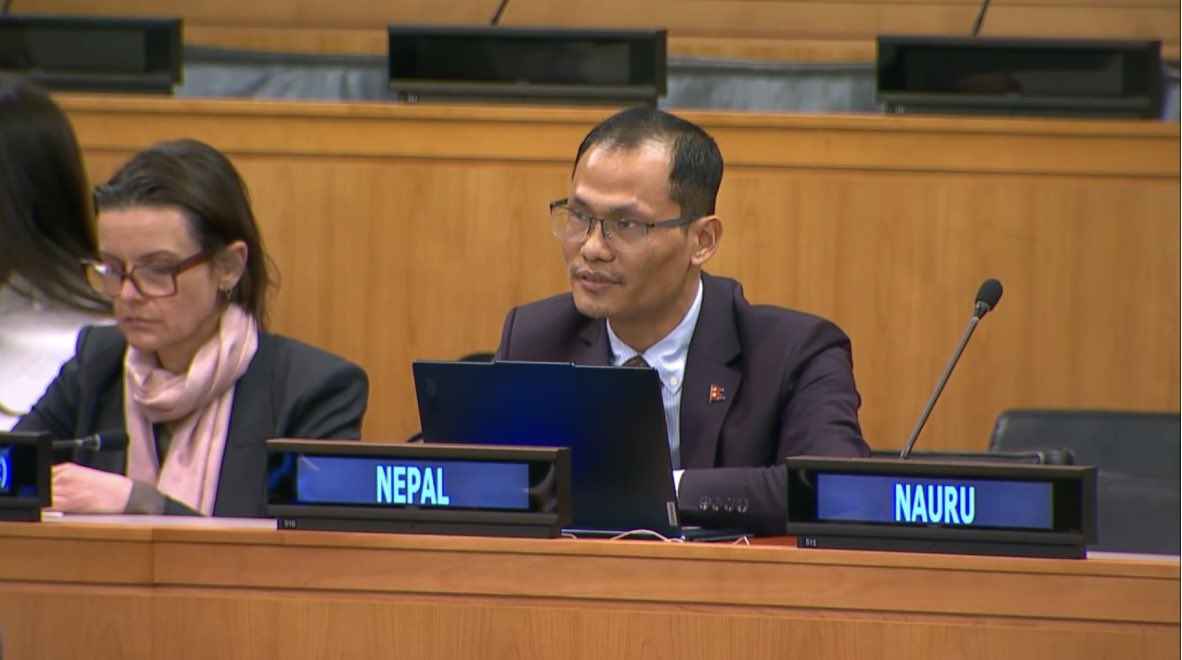
However, from Nepal’s side, the mountain and climate agenda remains weakly represented at international forums, despite being voiced strongly at home.
Nepali delegates at UNEA-7 were not even aware that the draft resolution on glaciers had been submitted. “Nepal’s preparation is very weak. Before attending such international meetings, there should be thorough discussion and coordination at home,” Bhandari said. “With strong lobbying, Nepal could benefit much more.” Some Nepali delegates only learned about the resolution after it appeared on the final agenda.
Glaciers play a crucial role in the global water cycle, but they are disappearing at an alarming rate. The UNEA resolution is expected to raise global awareness, encourage member states to take action, and strengthen international cooperation to protect glaciers and the cryosphere.
GLOF hits every year
For Nepal, this issue is not theoretical. As a Himalayan country, Nepal has been experiencing Glacial Lake Outburst Floods (GLOF) almost every year. On 8 July 2025, a catastrophic glacial lake outburst along the Nepal–China border killed 27 people, including six Chinese nationals, and caused an estimated USD 100 million in damage. Hydropower plants, bridges, roads, and homes were swept away.
Another major outburst struck Solukhumbu in 2024, and Nepal has seen near-annual GLOFs since 2020, driven by rising temperatures and unstable glacial lakes. Scientists estimate that around 15 million people worldwide are now threatened by such events.
The World Meteorological Organization’s latest glacier assessment presents an even more worrying picture. It reports that every glacier region on earth lost ice in 2024, marking the third consecutive year of universal decline. Glaciers store nearly 70 percent of the planet’s freshwater and support river systems, hydropower, agriculture, and ecosystems that sustain more than two billion people. Their rapid retreat is reshaping landscapes and increasing risks for entire regions.
According to scientific projections, if global temperatures rise by 1.5°C, only about 54 percent of the world’s 2020 glacier mass will remain. At 2.7°C of warming, just 24 percent would survive. UNEP’s 2025 Emissions Gap Report warns that current global policies are pushing the world toward around 2.8°C of warming.
Martin Krause, Director of UNEP’s Climate Change Division, said the rise in glacial lake outbursts is one of the most serious threats facing mountain countries. “There is a strong need to advocate for and assist affected people, as these disasters are becoming more frequent and more destructive,” he said in Nairobi.
Warning to the World
Despite the many efforts to conserve the environment, challenges are increasing worldwide every year. The Global Environment Outlook-7 (GEO-7) report has warned the world about the earth, which was launched during the UNEA-7 in Nairobi.
The United Nations warned that the planet has entered “uncharted territory”, facing four accelerating and interconnected crises: climate change, biodiversity loss, land degradation, and pollution.
The report states that around 100 million hectares of healthy land are lost every year due to erosion, deforestation, and overuse, an area comparable to large countries such as Colombia or Ethiopia. Between 20 and 40 percent of the world’s land is already degraded, threatening food security and livelihoods, particularly in low-income regions. Although many governments have pledged to restore degraded land by 2030, progress remains far too slow.
UNEP Executive Director Inger Andersen warned that humanity faces a clear choice. “Continue down the road toward a future devastated by climate change, nature loss, degraded land, and polluted air, or change direction to secure a healthy planet, healthy people, and healthy economies,” she said.
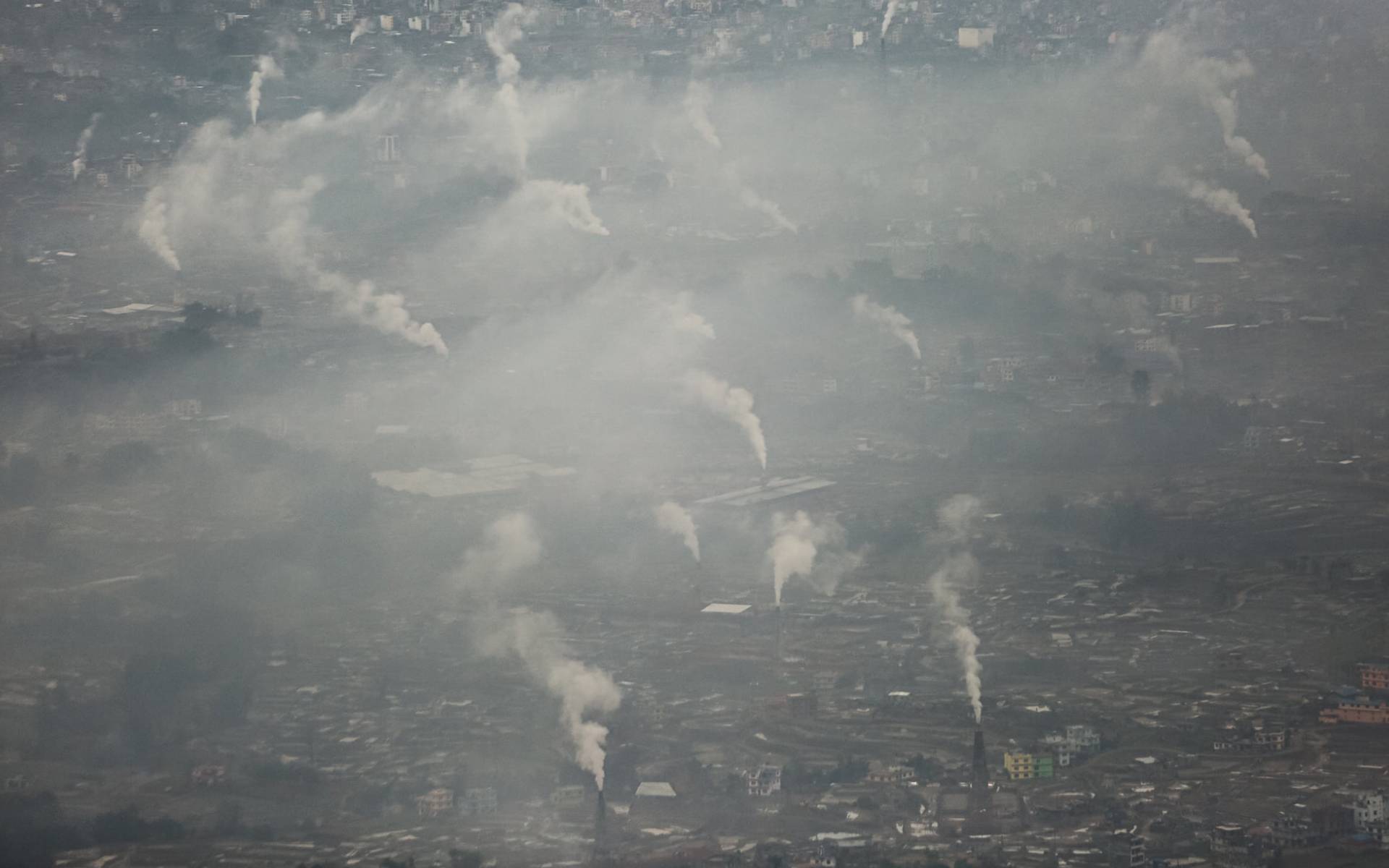
One million species are now threatened with extinction, coral reefs are in steep decline, and some marine fisheries are collapsing. Pollution continues to rise, with the world producing more than two billion tonnes of solid waste every year, a figure expected to nearly double by 2050. Plastic pollution now affects every ecosystem on earth, harming more than 700 species. Air pollution affects nine out of ten people worldwide and causes millions of premature deaths each year.