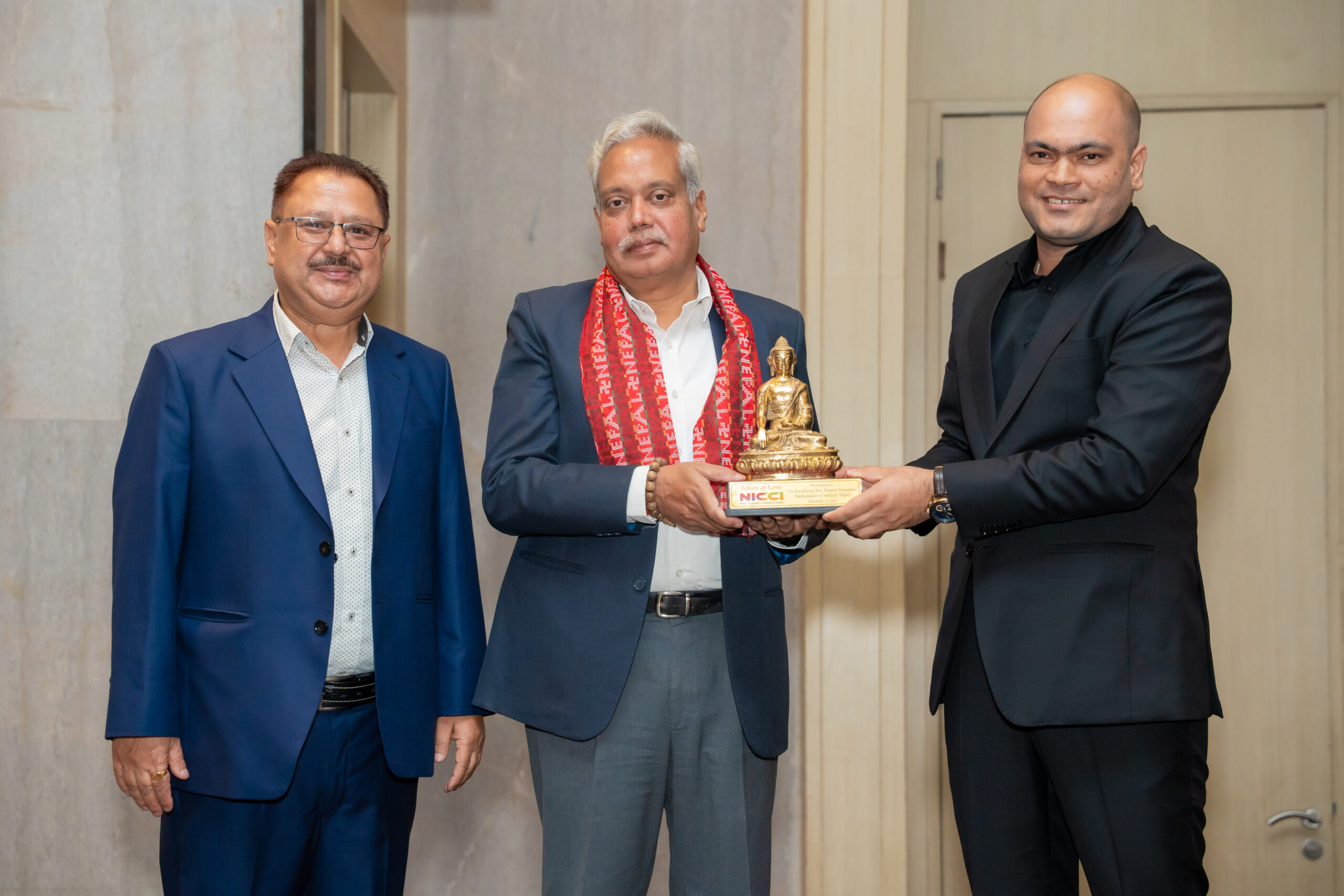
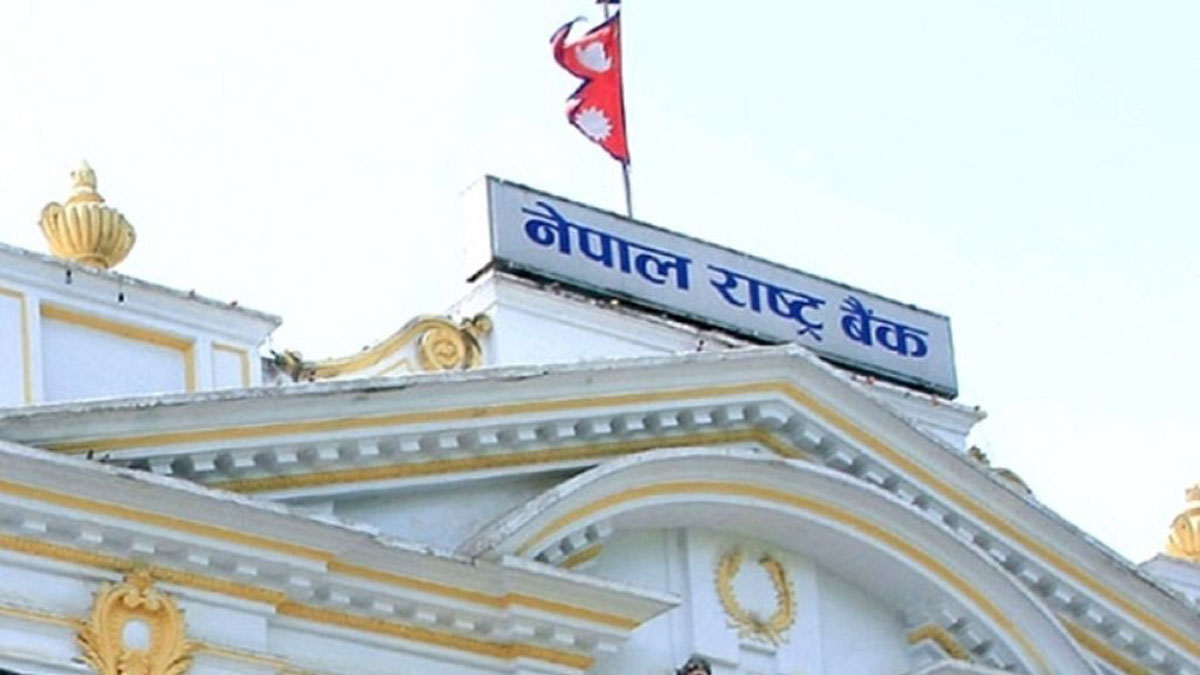
Kathmandu: The Nepal-India Chamber of Commerce & Industry (NICCI) has welcomed the Monetary Policy for Fiscal Year 2083/84 unveiled by Nepal Rastra Bank and appreciated the continuation of a cautiously accommodative monetary policy aimed at supporting higher economic growth while maintaining macroeconomic stability.
The Monetary Policy has been introduced at a time when Nepal’s economy is gradually recovering amid global geopolitical uncertainties, volatile energy prices and changing international economic dynamics. The recently published Macroeconomic Report – July 2026 indicates encouraging improvements in Nepal’s external sector, banking sector liquidity, foreign exchange reserves and investor confidence, providing a strong foundation for economic expansion in the coming fiscal year.
NICCI noted with satisfaction that Nepal Rastra Bank has projected inflation to remain around 5.5 percent while supporting the Government’s target of 7 percent economic growth through an accommodative monetary stance. The Chamber also welcomed the decision to maintain policy rates, continue the existing Interest Rate Corridor, preserve adequate liquidity in the banking system and maintain exchange rate stability with the Indian Rupee. “These measures are expected to sustain business confidence and create a more predictable investment environment,” NICCI said.
In particular, the NICCI has appreciated the Monetary Policy’s emphasis on financial sector reforms, simplification of banking regulations, strengthening financial stability, promoting digital banking, encouraging credit-scoring systems, improving credit recovery mechanisms and facilitating foreign exchange management. “These reforms will contribute to enhancing the efficiency and resilience of Nepal’s financial system,” NICCI said, while stating that the current macroeconomic environment also presents an important opportunity to address structural challenges that continue to constrain private sector investment.
Although the banking system currently possesses ample liquidity and historically low lending rates, private sector credit expansion remains relatively subdued. This indicates that the principal constraints are no longer the availability or cost of finance, but rather investor confidence, policy predictability, project readiness, regulatory bottlenecks and the pace of implementation of economic reforms.
Emphasizing that monetary policy alone cannot generate sustainable economic growth, NICCI said that monetary policy must be complemented by strong fiscal discipline, accelerated capital expenditure, policy stability and structural reforms that improve the ease of doing business and encourage productive investment.
The bilateral chamber promoting Nepal-India economic cooperation has also outlined the important areas to consider. They include: Accelerating productive investment in manufacturing, hydropower, tourism, agriculture, information technology and export-oriented industries, creating a more predictable and investment-friendly regulatory framework to attract greater domestic and foreign direct investment, particularly from India, improving coordination among Nepal Rastra Bank, the Ministry of Finance and other regulatory agencies to simplify investment approval procedures and facilitate cross-border investment, encouraging greater utilization of available banking liquidity for productive sectors instead of excessive concentration in collateral-based lending, strengthening export competitiveness and value-added manufacturing to reduce the widening trade deficit while leveraging Nepal’s preferential access to the Indian market, continuing reforms relating to foreign exchange management, technology transfer payments, royalty remittances and investment repatriation to enhance Nepal’s attractiveness as an investment destination and supporting infrastructure development, industrial corridors, logistics connectivity and cross-border trade facilitation to improve Nepal’s competitiveness.
NICCI further held that Nepal’s close economic integration with India presents significant opportunities in manufacturing, energy trade, supply chains, digital services, tourism and cross-border investments. “Stable macroeconomic policies, supported by predictable regulatory reforms, can substantially strengthen Nepal-India economic partnership and contribute to sustainable economic development in both countries,” NICCI said.
At the same time, it has expressed commitment to working closely with Nepal Rastra Bank, the Government of Nepal, Indian investors and the private sector in promoting investment, industrial development, trade facilitation and policy reforms that enhance Nepal’s economic competitiveness. “With effective implementation of the announced policy measures, timely execution of development expenditures and continued policy coordination, Nepal can achieve higher, sustainable and investment-led economic growth while maintaining overall macroeconomic stability,” NICCI said.